

Roofing for Schools and University Buildings in Lincoln
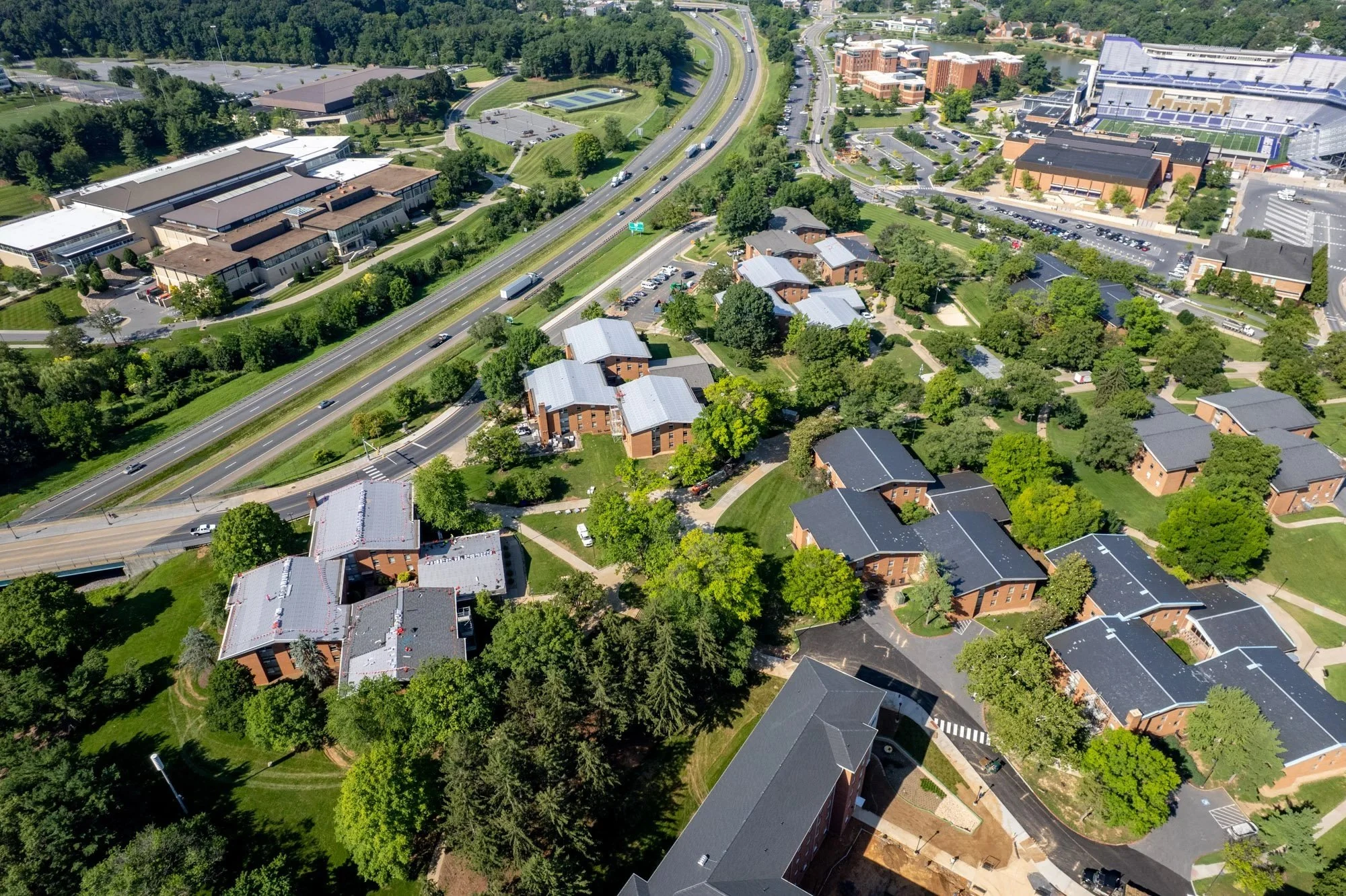
Between Lincoln Public Schools and the University of Nebraska-Lincoln's downtown and east campuses, education accounts for one of the largest blocks of institutional roof area in the city. Gymnasiums, classroom wings, dormitories, and research buildings each carry different roof loads, different equipment penetrations, and different tolerance for downtime. We plan every education project around the academic calendar first.
The Summer Window
LPS and UNL both run on the same basic constraint: major roof work happens between the last week of May and the third week of August, when buildings are empty or lightly occupied. That compresses a lot of demand into a narrow window every year, which means school and university facilities directors have to lock in contractors early. We start scoping summer projects in the fall and winter before the work window opens, so materials are ordered and crews are scheduled before spring hits.
Not every job fits inside summer. Emergency leaks over a classroom or a lab during the school year get handled on their own timeline, with dry-in and temporary repair done fast enough that the space stays usable, followed by permanent repair scheduled for the next break , spring break, winter break, or the following summer, depending on severity.
Gymnasiums, Labs, and Mixed Roof Loads
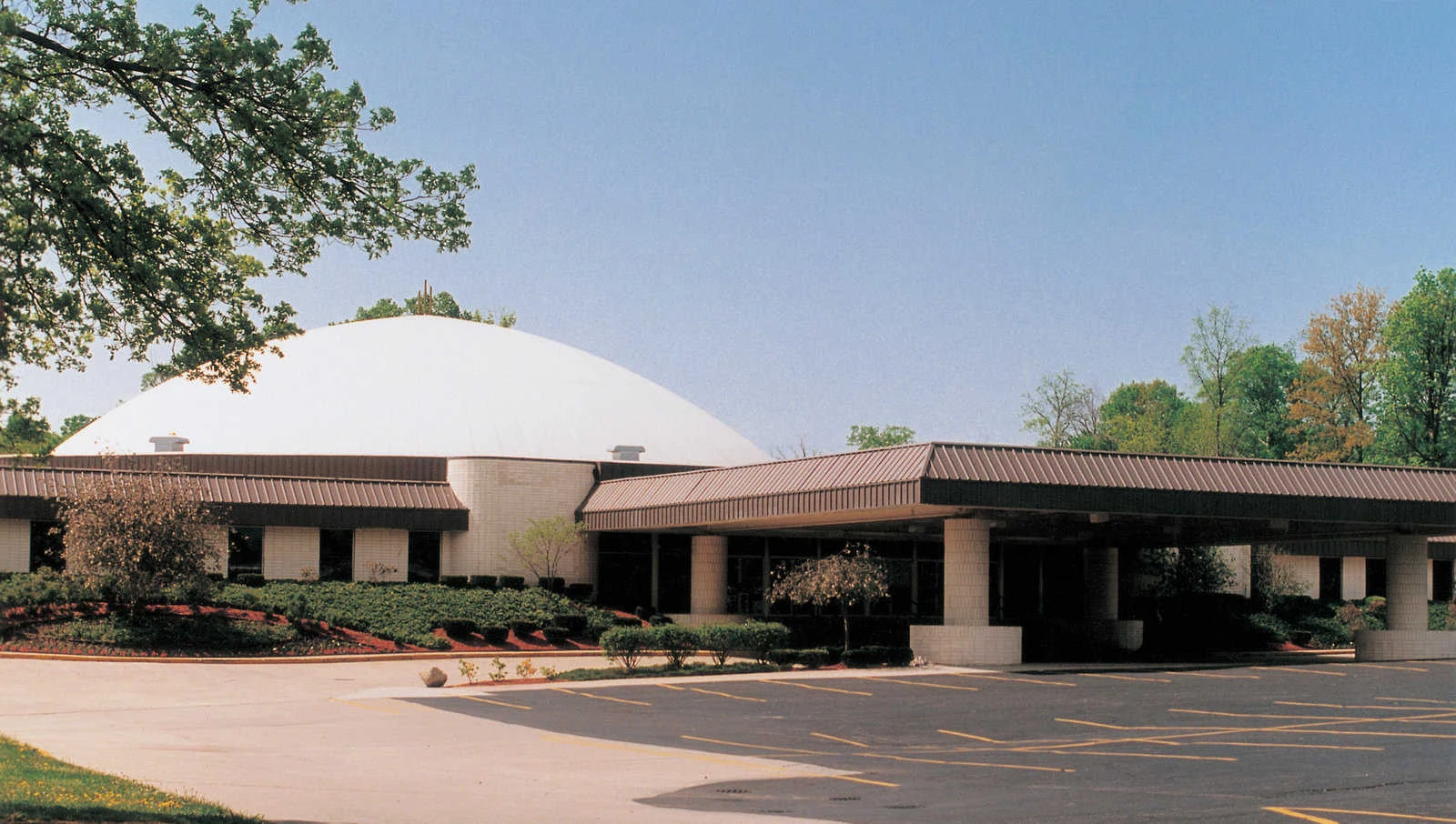
A school gymnasium roof spans wide open bays with minimal interior support, which changes how a membrane and insulation package gets specified compared to a standard classroom wing. University research buildings carry heavier mechanical loads , fume hood exhaust, lab ventilation, sensitive equipment rooftop units , and every penetration is a potential leak point that needs proper flashing and long-term maintenance access.
We treat older LPS buildings and UNL's mix of mid-century and modern campus structures as separate problems. A 1960s-era school roof often sits over minimal insulation, and a reroof is the best opportunity to add insulation above deck without disrupting classroom ceilings. Newer campus buildings are more often single-ply already and need targeted repair, coating, or partial recover rather than full tear-off.
District and university facilities crews already carry heavier maintenance loads than a typical commercial owner, tracking dozens of buildings with a small internal staff. We treat our role as an extension of that team rather than a vendor who only shows up once a year for a bid. That means sharing inspection findings directly with the facilities director in plain language, flagging which buildings are approaching the end of their service life two or three budget cycles out, and being available for a quick roof walk when a facilities manager wants a second opinion before deciding whether something is worth escalating.
- Summer-break and holiday-break scheduling that avoids classroom disruption
- Insulation upgrades added during reroof, not as a separate project
- Flashing and access planning for lab and gym mechanical penetrations
- Hail damage assessment across large flat gym and classroom roof areas
- Reflective membrane options that cut summer cooling load in unoccupied buildings
- Fast temporary dry-in for mid-semester leaks over occupied space
Energy Cost and Insulation
School districts and university facilities departments both track utility spending closely, and rooftop HVAC is one of the biggest line items on a large flat-roof building. A reroof that adds insulation R-value and switches to a reflective white membrane reduces cooling load in the summer, when unoccupied buildings still run some conditioning for equipment and humidity control. We size the insulation package to the building's actual mechanical setup rather than defaulting to a minimum code thickness.
Hail Alley and Large Flat Roof Areas
School and campus buildings tend to have some of the largest single flat-roof areas in the city, which means spring hail hits a lot of square footage at once. A single storm can leave dozens of impact points across a gymnasium roof that individually look minor but add up to membrane failure within a season or two if left unaddressed. We inspect systematically after storm events and document damage by roof section, which matters when a district or university is filing a claim across multiple buildings from the same storm.
Frequently Raised Questions
Can you complete a full reroof inside a single summer break?
For most single-building projects, yes, if the scope is locked in during winter planning and materials are ordered ahead of the window. Larger multi-building campus projects sometimes phase across two summers.
How do you handle a leak during the school year without closing a classroom?
We dry-in and temporarily seal the affected area fast, usually the same day for an active leak, then schedule the permanent repair for the next available break so the classroom stays in use in the meantime.
Do you add insulation during a reroof or is that a separate job?
It's part of the same project whenever the existing insulation is thin or waterlogged. Adding R-value above deck during tear-off is far more cost-effective than retrofitting insulation later.
How do you document hail damage across a large campus roof?
We walk the full roof in a grid pattern, photograph and log impact density by section, and pull core samples where the membrane shows granule loss or fracturing. That level of documentation supports district or university insurance claims that often cover several buildings from one storm.
Do university lab buildings need different roofing specs than classroom buildings?
Often, yes. Lab exhaust and mechanical penetrations require heavier flashing detail and more careful sequencing around active equipment, and we scope those buildings separately from standard classroom or dorm roofs.