White EPDM: Rubber Flexibility With a Reflective Surface
White EPDM gives Lincoln building owners the same rubber-compound flexibility that has made black EPDM a durable choice through decades of Nebraska temperature swings, but with a reflective top surface that changes the summer heat picture. It's a narrower product category than black EPDM or TPO, and it fits a specific set of buildings well.
Reflectivity Without Losing Thermal-Swing Tolerance
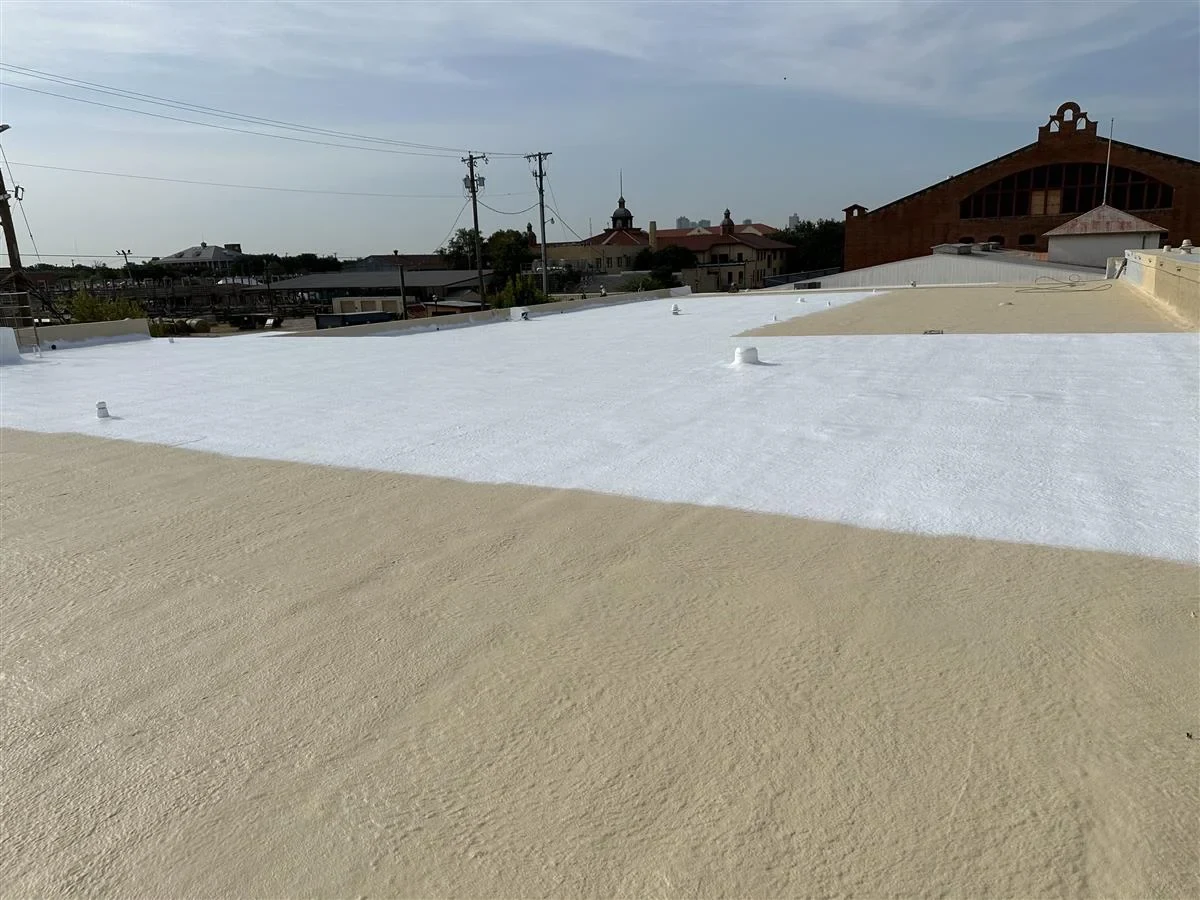
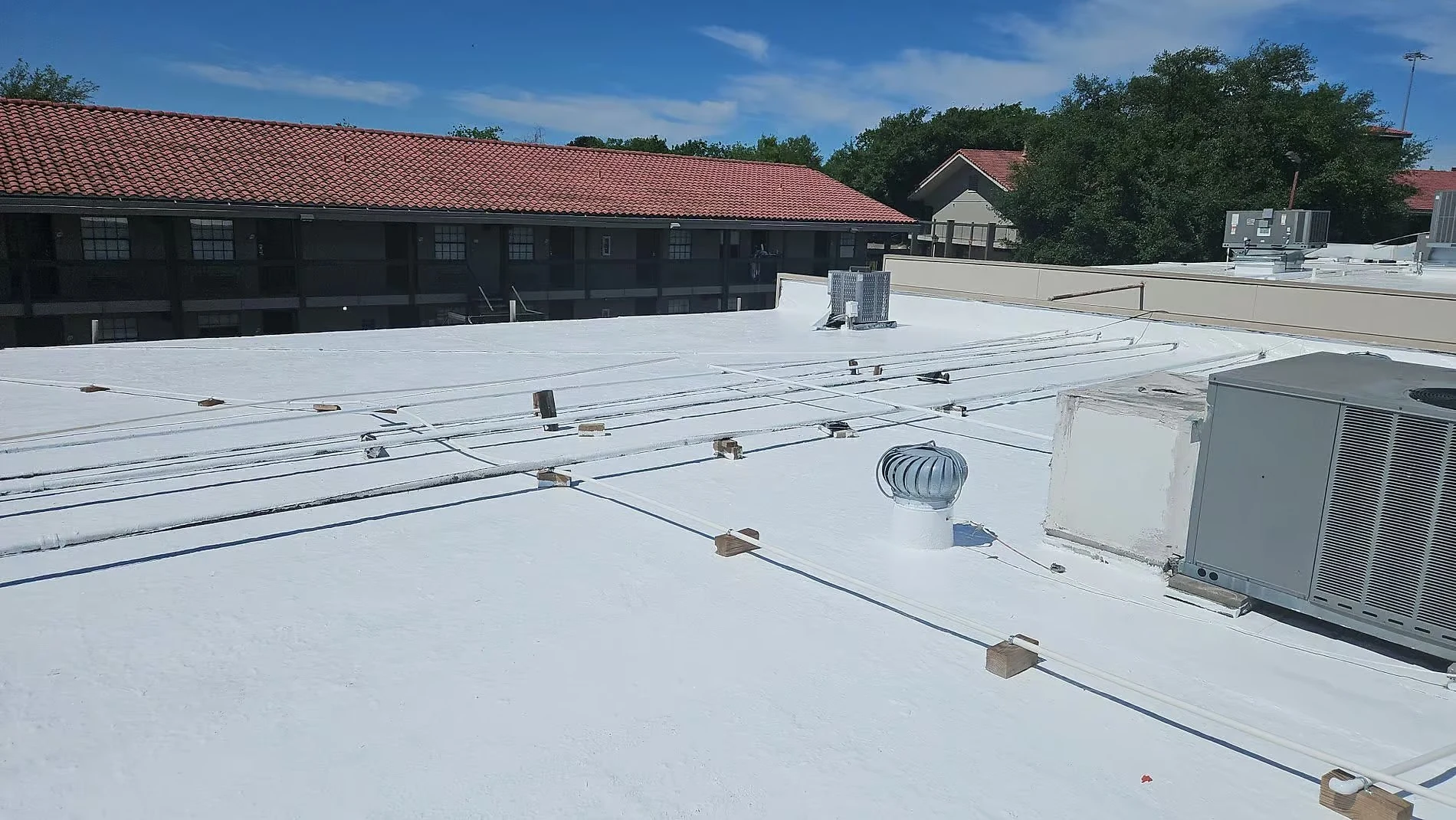
The white surface layer on this membrane reflects a meaningfully higher share of solar radiation than standard black EPDM, which lowers deck surface temperatures during Lincoln's long summer sun exposure. That reduction feeds directly into lower suction-side air temperatures at rooftop HVAC units on buildings like insurance back-offices and finance operations centers where consistent indoor comfort and utility cost control both matter.
Underneath that reflective face, the membrane still carries EPDM's elastomeric base, so it retains the elongation range that lets the roof move through the region's wide daily and seasonal temperature shifts without the seam stress that stiffer materials can develop over time.
Wind Uplift and Attachment Method
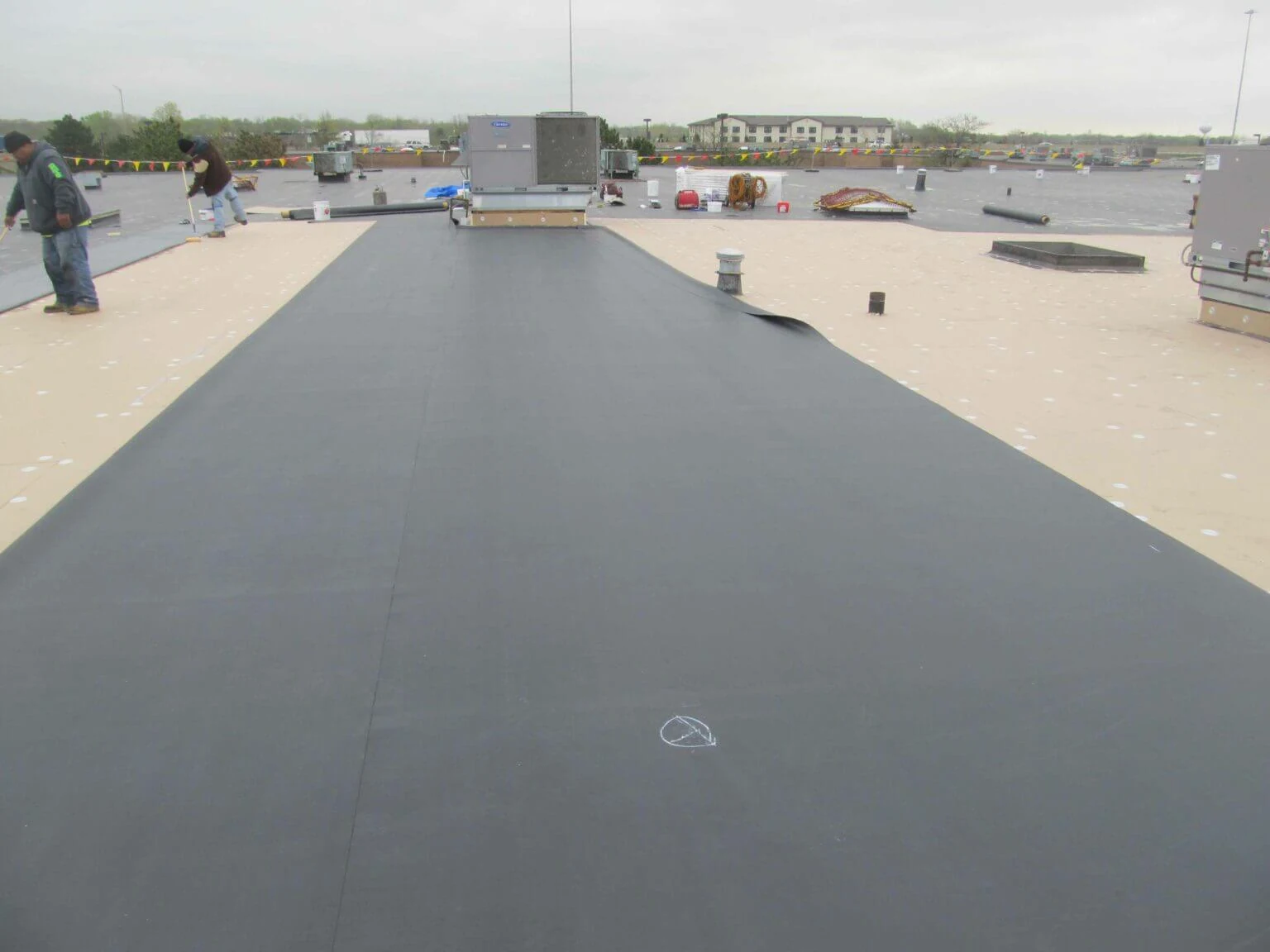
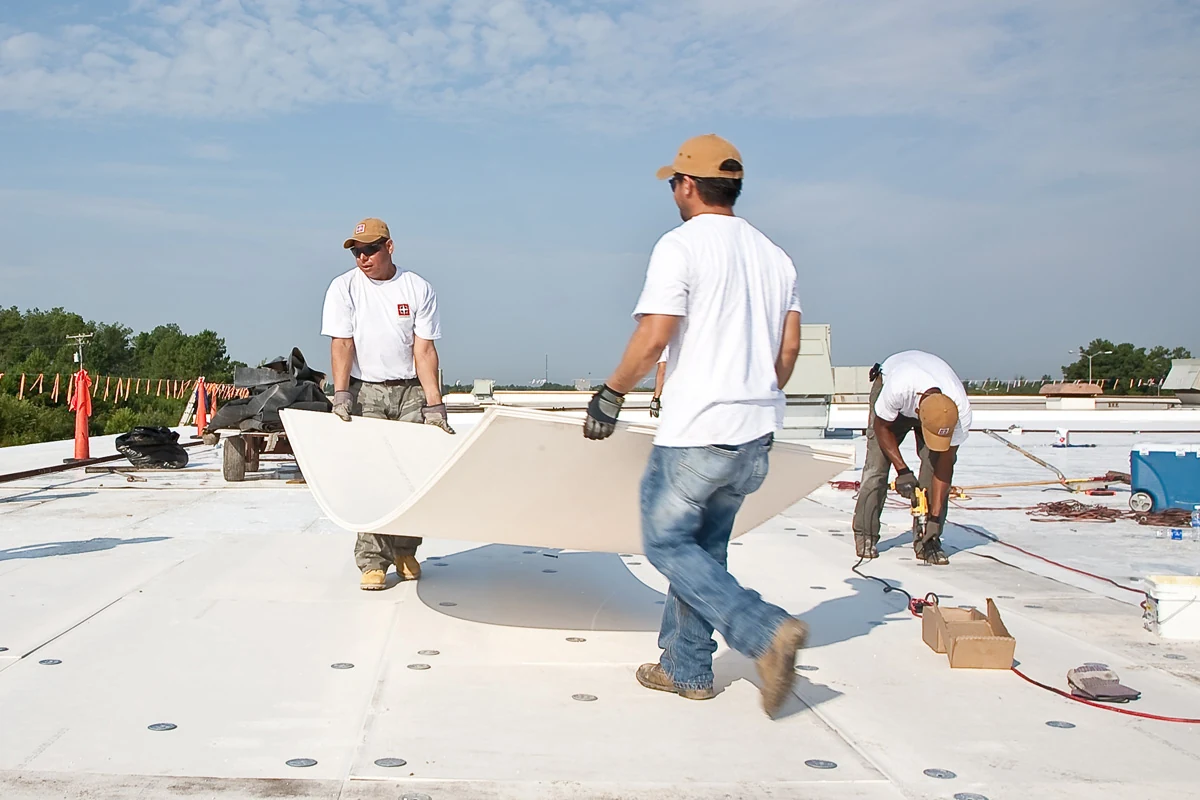
White EPDM is available in mechanically attached, fully adhered, and ballasted configurations, and the uplift performance tracks the attachment method more than the surface color. On Lincoln's flat, wind-exposed office parks we typically steer toward mechanically attached or fully adhered systems, reserving ballasted EPDM for buildings with a structurally verified deck and lower wind exposure profile.
Perimeter fastening density gets calculated against the specific building height and site exposure category, since a uniform fastener pattern across the whole roof under-protects the edges where uplift pressure concentrates.
Hail Impact Considerations
Nebraska's spring hail season is the reason we walk through impact rating documentation on every membrane recommendation, and white EPDM is no exception. Reinforced, heavier-gauge sheets hold up to hail better than thin unreinforced membrane, and we favor the reinforced option on any property with a recent claims history along the I-80 corridor or the eastern edge of the metro.
Impact damage on EPDM often shows as a puncture rather than a crack, which is generally easier to patch cleanly than a fractured thermoplastic seam, but prevention through proper gauge selection remains the better strategy than relying on repairability.
Where White EPDM Makes the Most Sense
- Insurance and finance back-office buildings targeting lower summer utility costs
- University-area buildings where long-term membrane durability matters more than lowest upfront cost
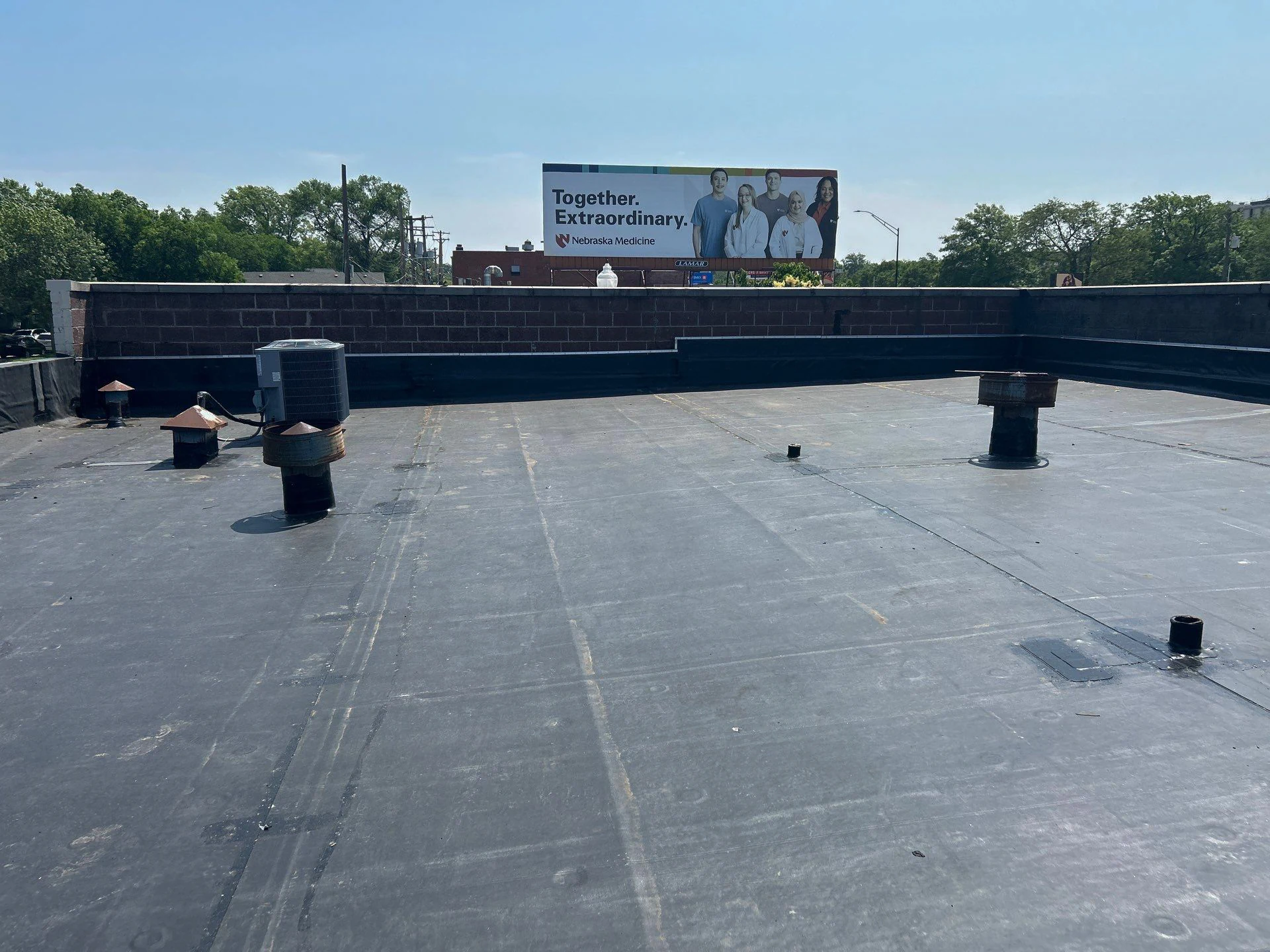
- Buildings replacing an aging black EPDM roof where reflectivity is now a priority
- Sites with moderate hail exposure paired with a reinforced membrane spec
- Roofs where ballast isn't structurally viable, favoring adhered or mechanically attached install
Keeping Reflectivity Performing Over Time
Reflective surfaces on any membrane, including white EPDM, lose some of their solar reflectance as dust, pollen, and general Nebraska road grit accumulate on the roof surface. Periodic washing during scheduled maintenance visits restores a meaningful share of that reflectivity rather than letting it decline for the full service life of the roof.
We track reflectivity as part of our regular inspection notes on white membrane roofs, flagging when a cleaning cycle would pay off against the building's cooling costs.
Comparing White EPDM to White TPO
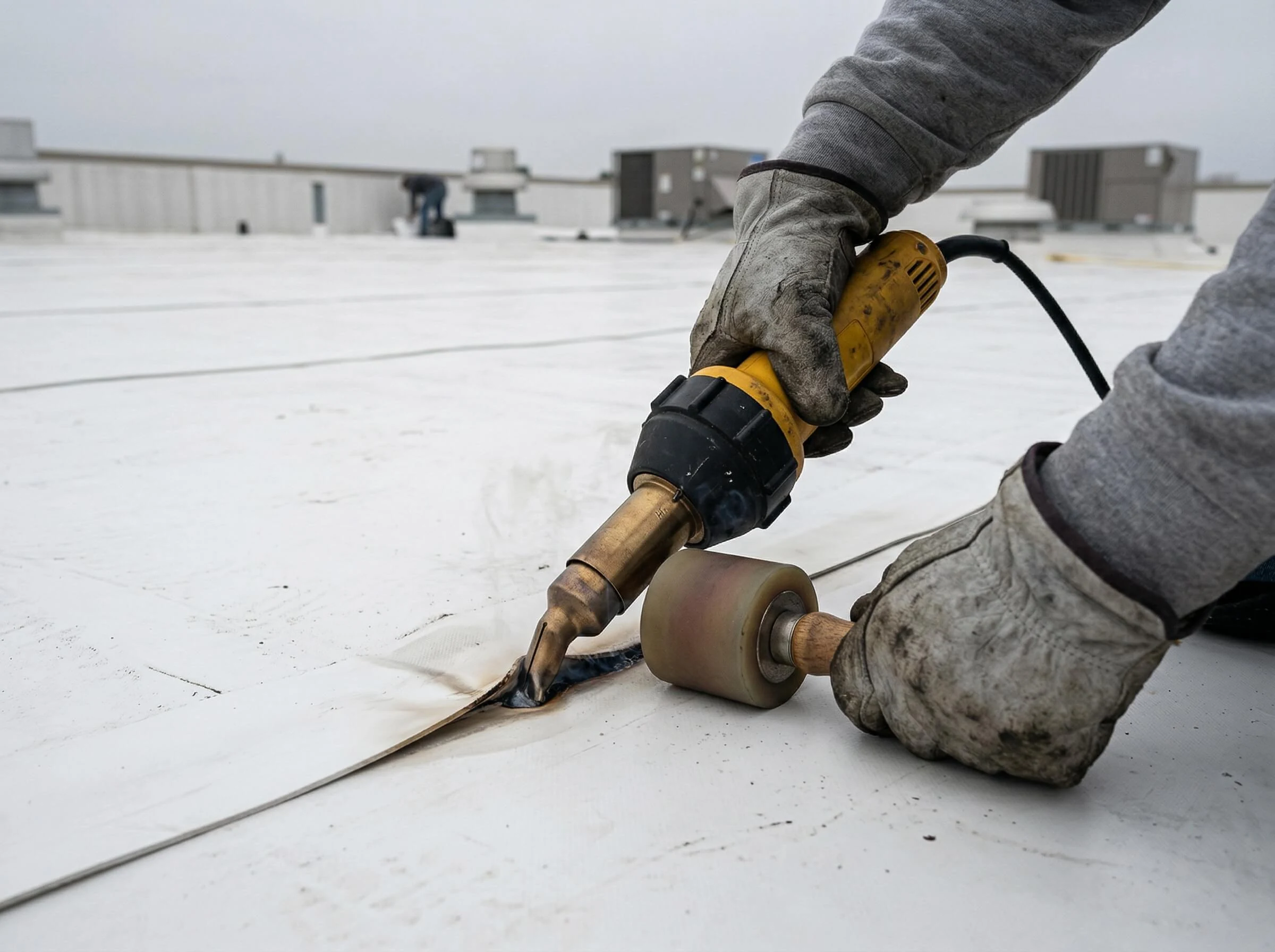
Owners weighing white EPDM against white TPO are usually choosing between rubber-membrane flexibility and heat-welded seam strength, since both offer a comparable reflective benefit at installation. EPDM's adhesive seams and TPO's welded seams age differently over time, and building-specific factors like roof traffic, penetration density, and seam length often matter more to the decision than reflectivity alone.
We walk owners through both options with the actual building's conditions in mind rather than defaulting to one membrane type across every project regardless of fit.
Detailing at Parapets and Roof Edges
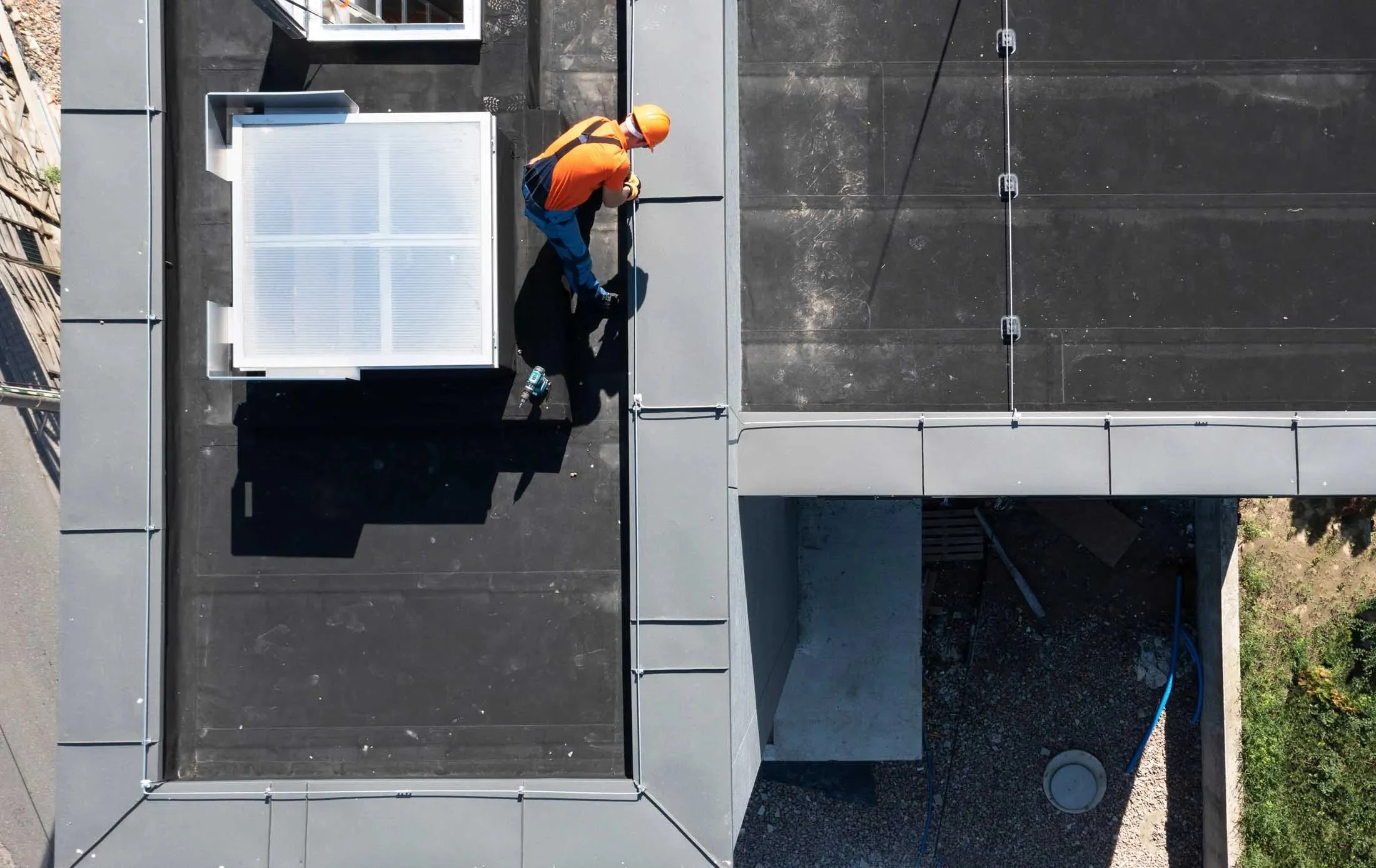
White EPDM's flexibility makes it workable around parapet transitions and irregular roof edges without the pre-fabrication some rigid membranes need, which is useful on Lincoln's older office buildings with non-standard roof geometry from past additions. We still follow manufacturer-specified termination bar spacing and edge metal details rather than relying on flexibility alone to secure the membrane at the perimeter.
Consistent edge detailing matters as much to long-term wind performance as the field membrane's attachment pattern, since the perimeter is where uplift failures typically start.
Availability and Lead Times on White EPDM
White EPDM is a narrower product category than black EPDM or TPO in terms of manufacturer options, which occasionally affects material lead times on a tight project schedule. We check current availability with our suppliers early in the planning process for any white EPDM project, particularly on properties near the University of Nebraska where academic calendar constraints sometimes compress the available installation window to school breaks.
Common Questions on White EPDM
How much more reflective is white EPDM than black EPDM?
Meaningfully more at installation, though the exact figure depends on the specific manufacturer's formulation and how recently the surface was cleaned.
Does white EPDM cost more than black EPDM?
Typically a modest premium applies for the reflective surface layer, which owners often recoup through lower summer utility costs over the roof's service life.
Is white EPDM as flexible as black EPDM?
Yes, the base rubber compound behaves the same way through thermal cycling; the surface treatment changes reflectivity, not elongation properties.
Can I re-cover an old black EPDM roof with white EPDM?
Often yes, provided the existing substrate and insulation are sound, which we verify with a roof evaluation before proposing a re-cover.
Does white EPDM need special cleaning?
No special chemicals, just periodic washing as part of routine maintenance to keep reflectivity closer to factory levels.