
Roofing Office Buildings From the Haymarket to the Suburban Ring
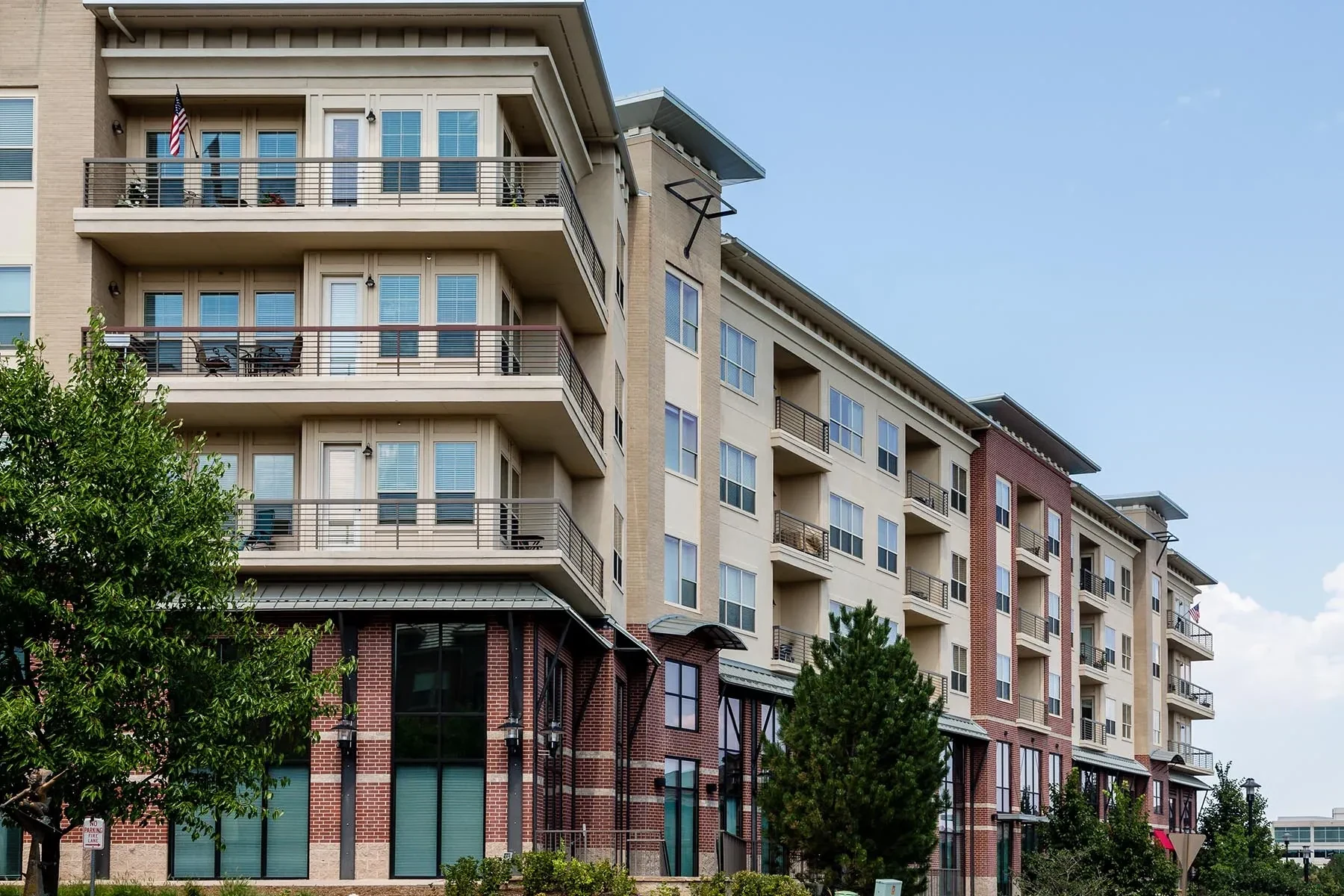
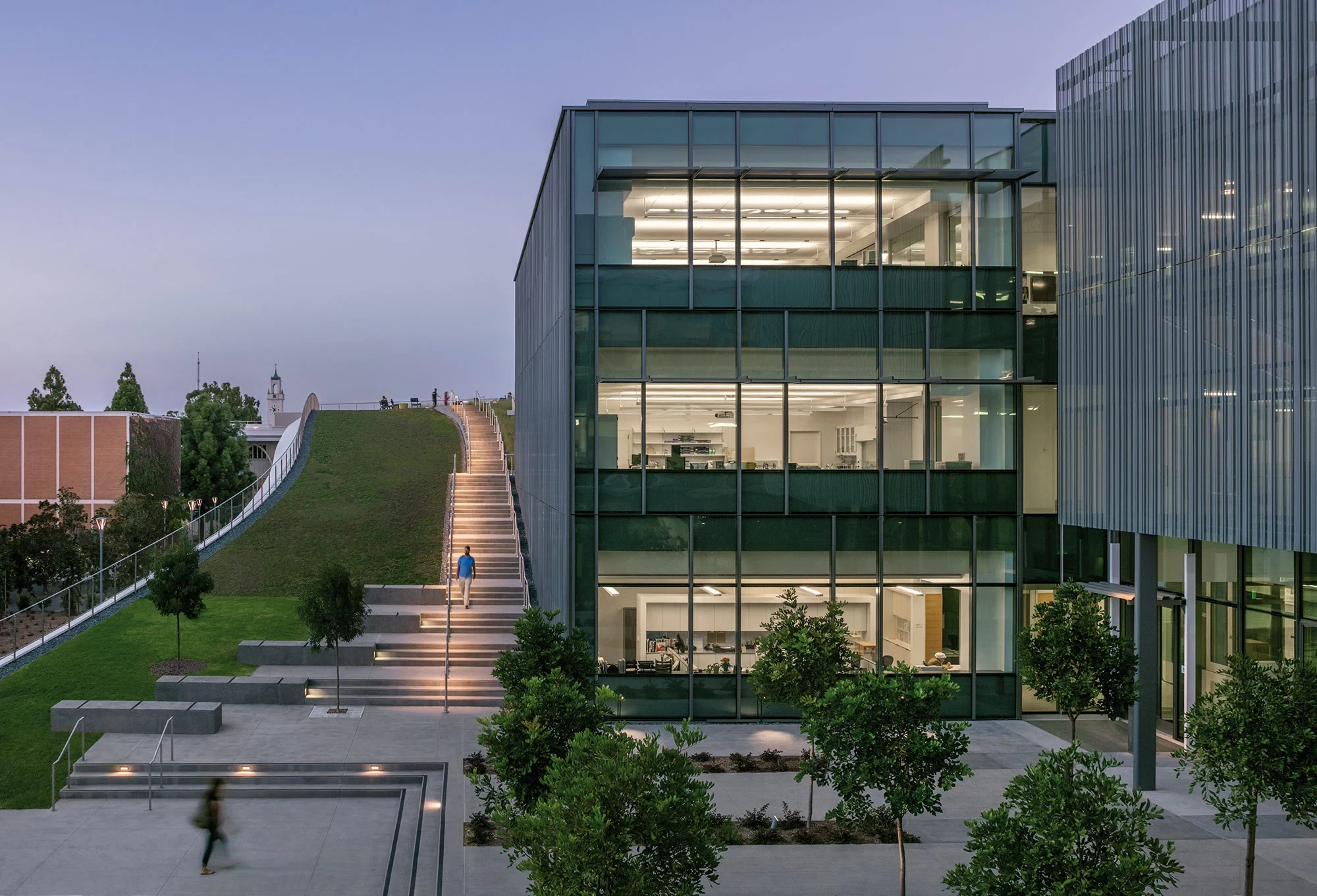
Lincoln's office stock ranges from converted Haymarket warehouse buildings to newer back-office campuses built for insurance and finance staff on the south and southeast edges of town. Each type of building carries a different roof age, deck construction, and tenant tolerance for disruption, and the scope changes accordingly.
Converted Warehouse Buildings in the Haymarket
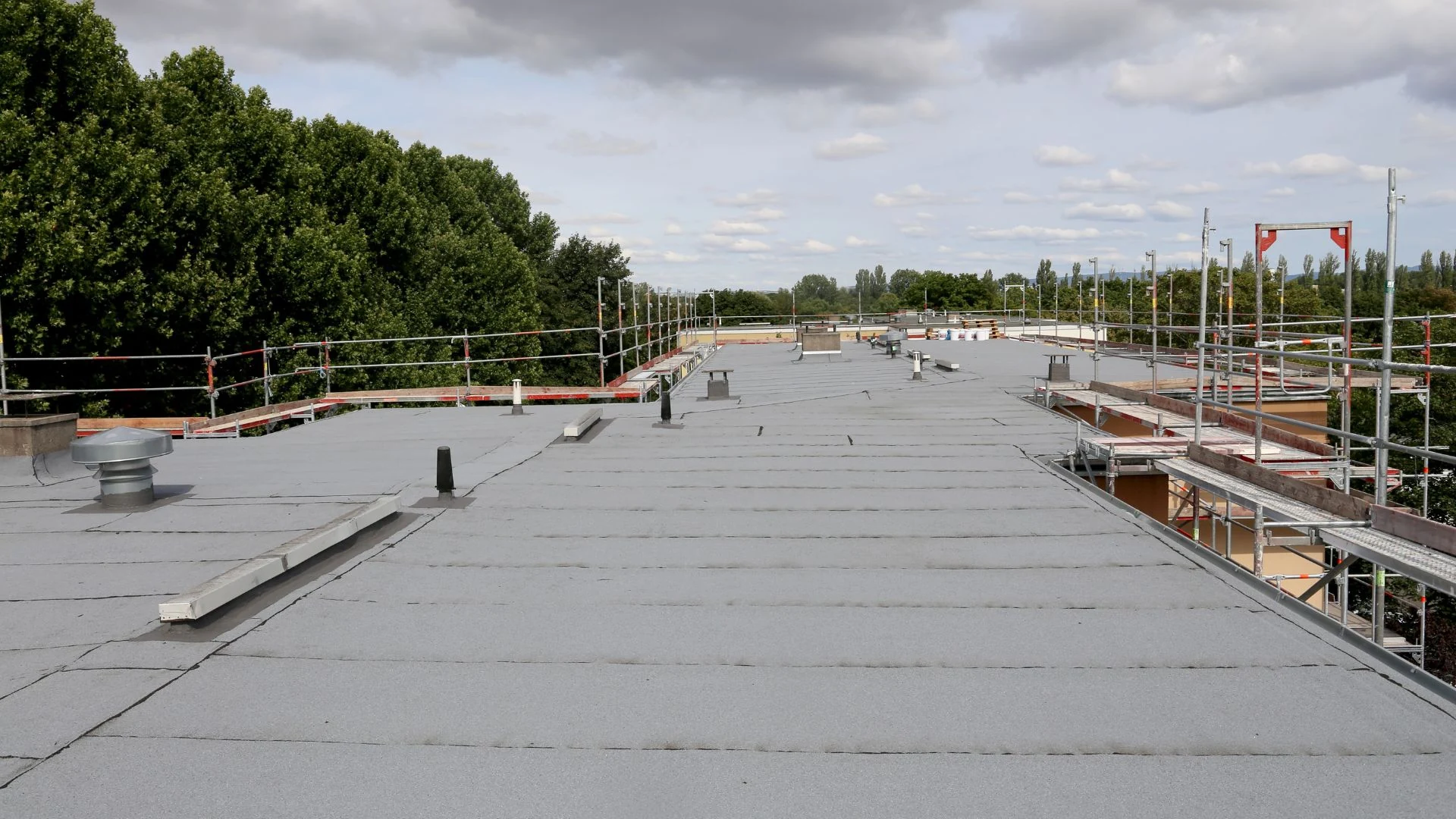
Several Haymarket office conversions sit on brick and heavy-timber structures with roof decks that predate any modern insulation standard. Recovering one of these roofs usually means dealing with an irregular deck, old parapet flashing, and drainage that was never designed for the roof's current membrane. We map drainage and deck condition before pricing a Haymarket recover, since surprises under the field membrane are common on buildings this old.
Historic building requirements add another layer to Haymarket work, since some of these structures carry preservation guidelines that affect what can change at the roofline. We coordinate exterior-visible details like coping profiles and parapet caps with whatever review process applies to a given building, so the roofing scope doesn't create a conflict with the building's historic status partway through a project.
Back-Office Campuses Run Cooling Hard on Weekdays
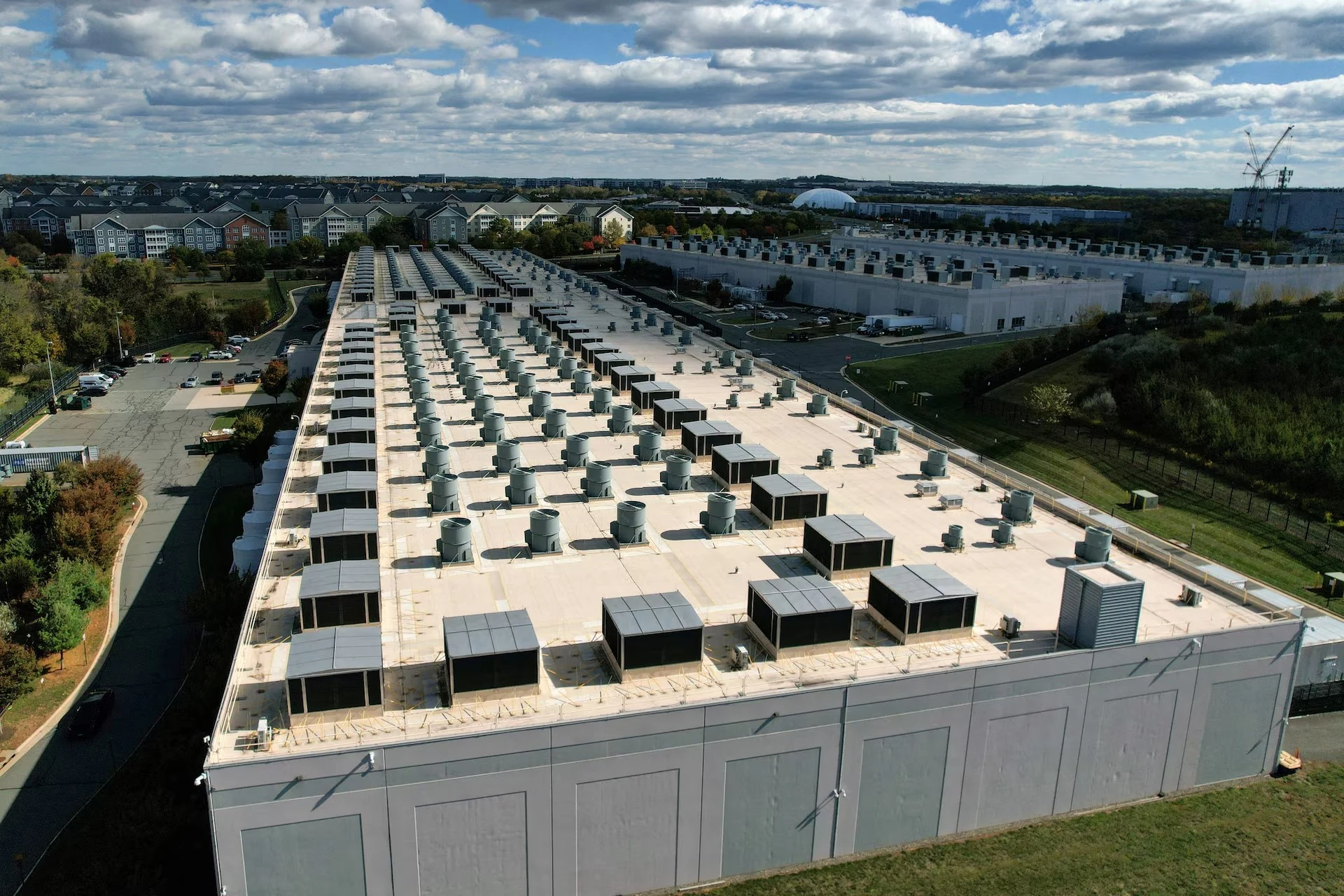
Insurance and finance back-office buildings on Lincoln's south side keep large staff counts on a fairly consistent daytime schedule, which means the HVAC systems run at close to full load through the work week during the hottest months. A reflective TPO or PVC roof lowers the surface temperature the rooftop units are fighting against, which can ease strain on equipment that's cycling constantly during a July heat stretch. Buildings on Lincoln Electric System's commercial rate see that difference directly in the summer bill.
Phasing Around Tenants Who Don't Leave
Multi-tenant office buildings rarely empty out for a reroof, so the work has to happen in sections with clear communication to tenants about noise, access, and parking impact. We build a floor-by-floor or zone-by-zone sequence for occupied office buildings, coordinating loud phases like tear-off with property management so tenants get advance notice instead of a surprise.
We also give property management a realistic noise and access calendar before work starts, broken down by which floors or zones will be affected on which days. Tenants respond better to a specific schedule than a general notice that work is happening sometime this month, and a clear calendar reduces the number of complaint calls property management fields during a multi-week project.
- Deck and drainage mapping before pricing older Haymarket conversions
- Reflective membrane options sized for weekday cooling load
- Phased tear-off sequencing for occupied multi-tenant buildings
- Parapet and coping repair on brick-and-timber conversion buildings
- Insulation upgrades that pay back through reduced HVAC runtime
- Storm damage assessment after spring hail events
Hail Season and the Insurance Documentation Office Buildings Need
A hailstorm moving through Lincoln in April or May does not spare downtown just because the buildings are taller. We inspect office roofs after storm events for impact marks, cracked pitch pockets, and displaced coping, and we put that documentation together in a form property managers can forward to whoever is handling the insurance side. We describe roof condition factually; we don't speak to claim outcomes.
Older Insulation Costs More Than It Looks
A lot of Lincoln's older office roofs still carry the insulation thickness that was standard decades ago, well under what current energy codes assume. When we're scoping a recover, we look at whether adding polyiso above the existing layer makes sense given the roof's remaining structural capacity, because a thin insulation layer on a building running HVAC five days a week adds up in wasted energy over a heating season that regularly drops below zero.
Buildings near the Gateway area and along the growing southeast office corridor tend to be newer than downtown stock, which usually means better baseline insulation but not always better drainage design, since some of these roofs were built with minimal slope to keep construction costs down. We check drainage on newer buildings just as closely as we check insulation on older ones, since neither factor can be assumed from a building's age alone.
Questions Property Managers Ask Before Scheduling Work
Can our building stay fully leased and occupied during a reroof?
Most office reroofs are phased so tenants stay in place, with noisy work scheduled around business hours where possible and advance notice given for each zone.
How do you handle an older Haymarket building with an unusual deck?
We open test sections before finalizing the scope so pricing reflects the actual deck and drainage condition rather than an assumption based on a newer building's construction.
Will a reflective roof actually lower our summer utility costs?
It reduces the heat load your rooftop units have to fight, which typically shows up as reduced runtime and lower peak demand. The exact savings depend on your building's existing insulation and equipment.
What should we do after a hailstorm if we're not sure the roof is damaged?
Request an inspection. Hail damage on a low-slope roof isn't always visible from the ground, and we document impact marks and any cracked flashing whether or not there's an active leak yet.
Do you work with property management companies handling multiple buildings?
Yes, and we track each building's roof history and condition separately so a portfolio doesn't get treated as one uniform decision. That portfolio-level tracking lets a management company plan capital spending across several properties instead of reacting to whichever roof leaks first.