
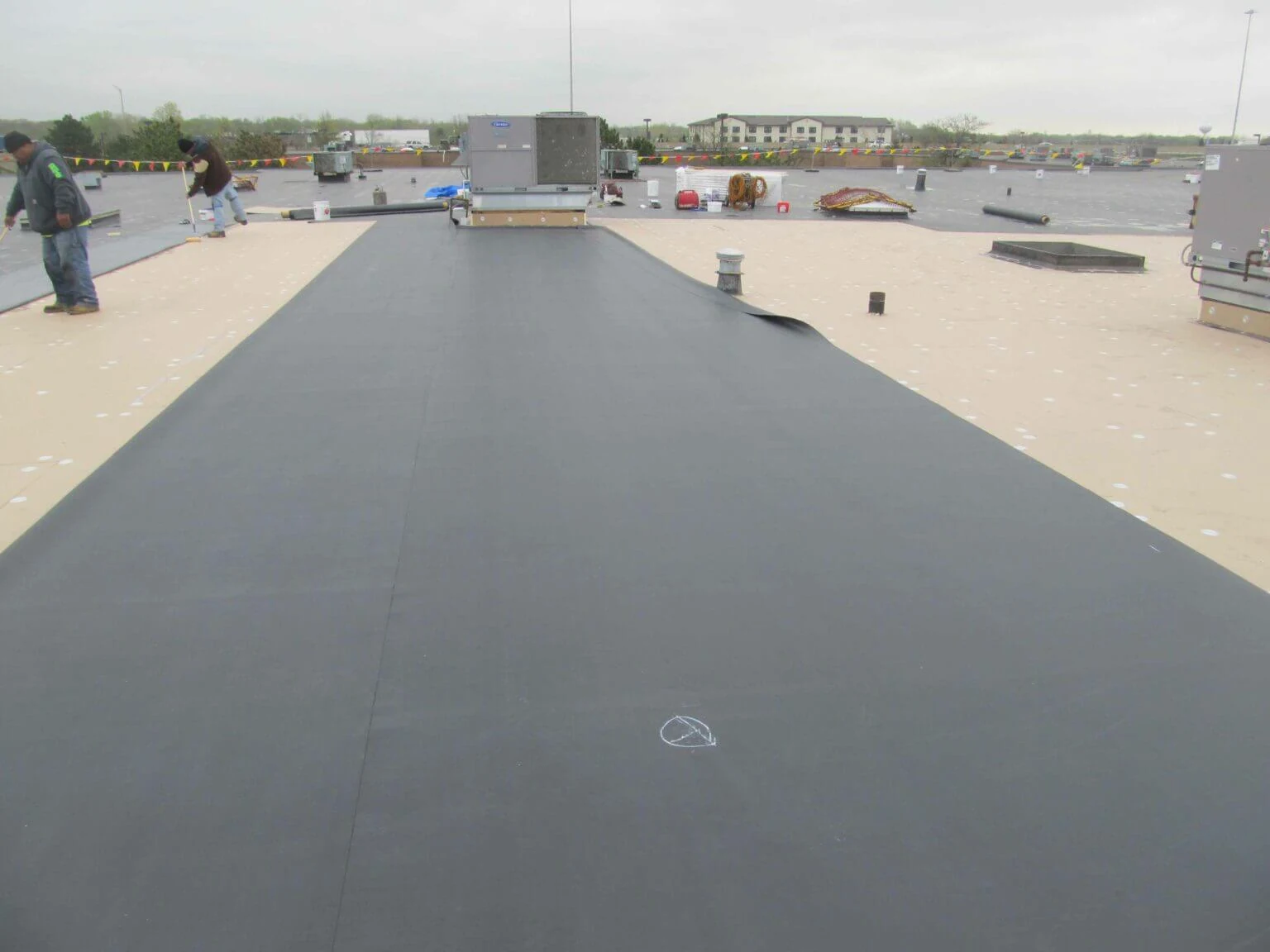
SBS Modified Bitumen for Lincoln's Established Commercial Buildings
SBS modified bitumen remains a common system on Lincoln's older office and retail buildings, particularly around the downtown core and near the university where many low-slope roofs were originally built up in layers rather than as a single-ply membrane. It's a multi-ply system with a mass and redundancy that behaves differently than TPO or EPDM.
Hail Mass Absorption
The thickness and density of an SBS cap sheet gives it a different hail response than a thin single-ply membrane. The granulated surface and rubberized asphalt base absorb impact energy across a wider area rather than concentrating stress at a single point, which is part of why modified bitumen has stayed a viable choice through Nebraska's hail-heavy spring seasons even as single-ply options have grown their market share.
That said, granule loss from repeated hail impact over years does reduce UV protection at the surface, so we inspect granule coverage as part of any post-storm roof review on modified bitumen buildings.
Thermal-Swing Cycling in a Multi-Ply System
Nebraska's swing from winter cold to summer heat stresses every roof membrane, but a multi-ply SBS system distributes that stress across base ply, interply, and cap sheet rather than a single sheet carrying the full load. The rubberized asphalt in SBS-modified sheets stays more flexible at low temperatures than older APP-modified or straight built-up asphalt, which matters on the cold mornings common through a Lincoln winter.
Flashings and seams at penetrations remain the weak points through repeated cycling regardless of field membrane performance, so we spend proportionally more inspection time at curbs, drains, and parapet transitions on modified bitumen roofs.
Reflectivity Options and Energy Performance
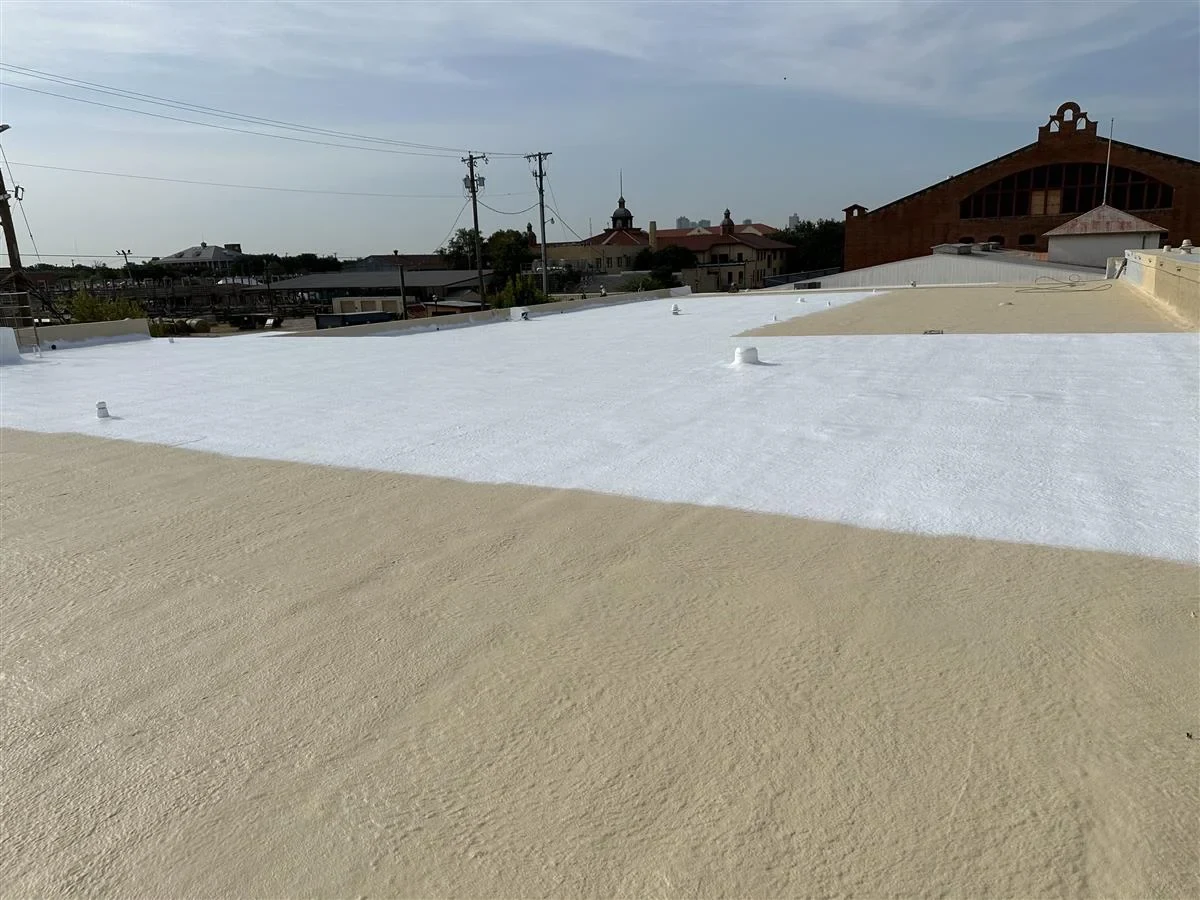
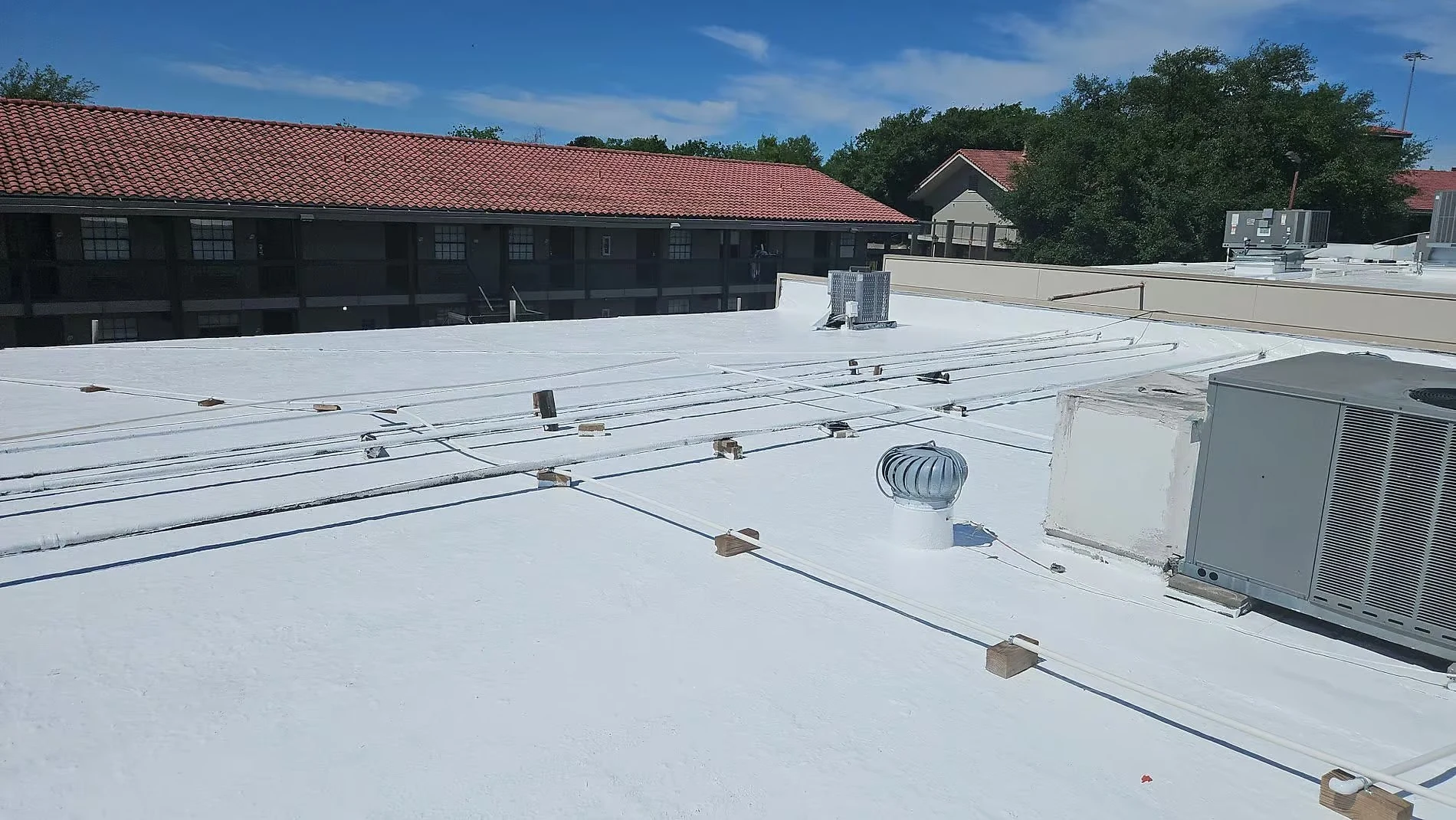
Traditional dark granule cap sheets absorb heat much like black EPDM, but reflective white or light-gray granulated cap sheets are now a standard option that changes the energy picture substantially. For back-office buildings near the Capitol looking to cut summer HVAC load without a full tear-off to single-ply, a reflective cap sheet re-cover over sound existing modified bitumen can be a practical middle path.
Reflective granule surfaces do lose some reflectivity over time as granules weather and dust accumulates, similar to any light-colored roof surface, but they still outperform dark cap sheets on summer deck temperature by a meaningful margin.
Installation and Application Methods
- Torch-applied SBS sheets fuse plies with direct heat for a monolithic seam
- Cold-applied adhesive systems reduce open-flame risk on occupied buildings
- Self-adhered SBS sheets speed installation on smaller or phased projects
- Base sheet and cap sheet selection both affect overall system performance
- Proper lap and seam overlap prevents water intrusion at ply transitions
When Modified Bitumen Is the Right Call
Buildings already carrying a sound modified bitumen roof are natural candidates for a like-for-like re-cover rather than a full tear-off to switch systems, since the existing base plies can often stay in place. Older masonry buildings around downtown Lincoln with irregular roof penetrations also benefit from modified bitumen's flexibility around flashing details compared to rigid single-ply detailing in tight spaces.
We steer away from modified bitumen on large, open manufacturing roofs where single-ply's speed of installation and lighter weight typically make more sense.
Layer Compatibility on Multi-Generation Roofs
Many of Lincoln's older commercial buildings have been re-roofed more than once, and each layer added over the decades affects how a new SBS system ties into what's already there. We evaluate the existing roof's full assembly history where records exist, and core sample where they don't, before deciding whether a re-cover, partial tear-off, or full tear-off is the right scope for a modified bitumen project.
Mixing incompatible asphalt formulations between old and new layers can cause bleed-through or adhesion problems, so we confirm compatibility rather than assuming any modified bitumen system ties cleanly into whatever is already on the deck.
Drainage and Ponding on Older Roof Decks
Older built-up and modified bitumen roofs sometimes settled slightly over the structure's lifespan, creating low spots that collect water after Lincoln's spring rain events. A modified bitumen re-roof gives us the opportunity to correct minor slope issues with tapered insulation crickets at problem areas, rather than simply replacing the membrane over the same imperfect drainage pattern.
We map ponding areas during the pre-project roof evaluation so drainage corrections get built into the tapered insulation layout instead of being addressed as an afterthought.
Fire Rating Considerations
Torch-applied SBS installation requires fire watch protocols and coordination with building occupants, which is a real scheduling factor on occupied downtown Lincoln buildings. We evaluate whether a cold-applied or self-adhered SBS system is a better fit than torch application on occupied properties, weighing installation speed against the added fire-safety coordination that open-flame application requires.
Common Questions on SBS Modified Bitumen
Is modified bitumen as hail-resistant as TPO?
The granulated surface and multi-ply mass give it a different, generally favorable impact response, though granule loss over time needs monitoring after major storms.
Can I get a reflective modified bitumen cap sheet?
Yes, white and light-gray granulated cap sheets are widely available and cut summer heat gain compared to traditional dark granules.
How does torch-applied differ from cold-applied SBS?
Torch application uses direct heat to fuse plies, while cold-applied systems use adhesive, which some occupied buildings prefer to reduce open-flame risk during installation.
Does modified bitumen work on a re-cover over an existing built-up roof?
Often yes if the existing plies are dry and sound, which we confirm with core samples before proposing a re-cover.
How long does an SBS modified bitumen roof typically last?
Service life varies with ply count, cap sheet quality, and maintenance, generally landing in a comparable range to single-ply systems when properly maintained.