
Roofing Bank Branches and Finance-Sector Buildings
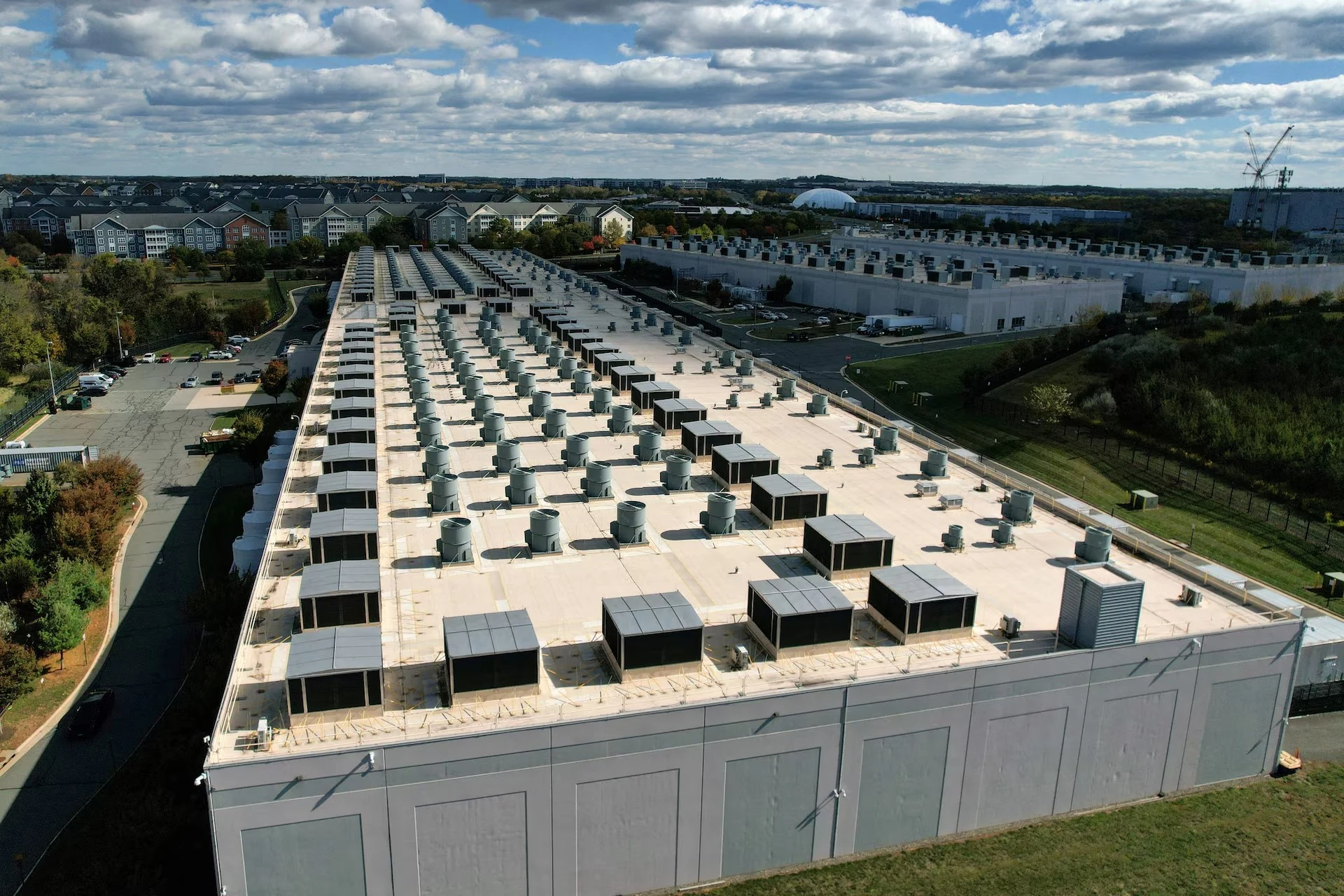
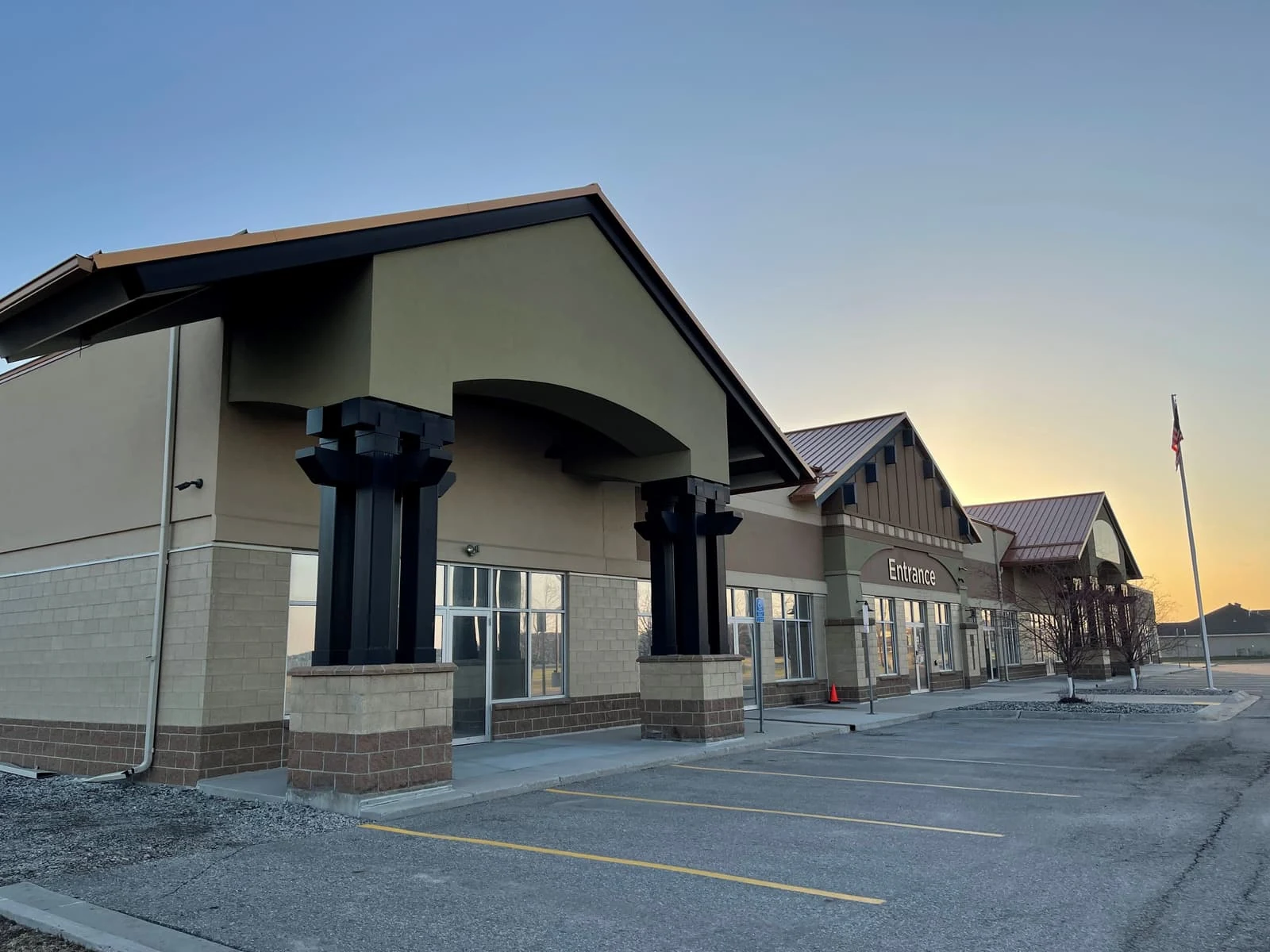
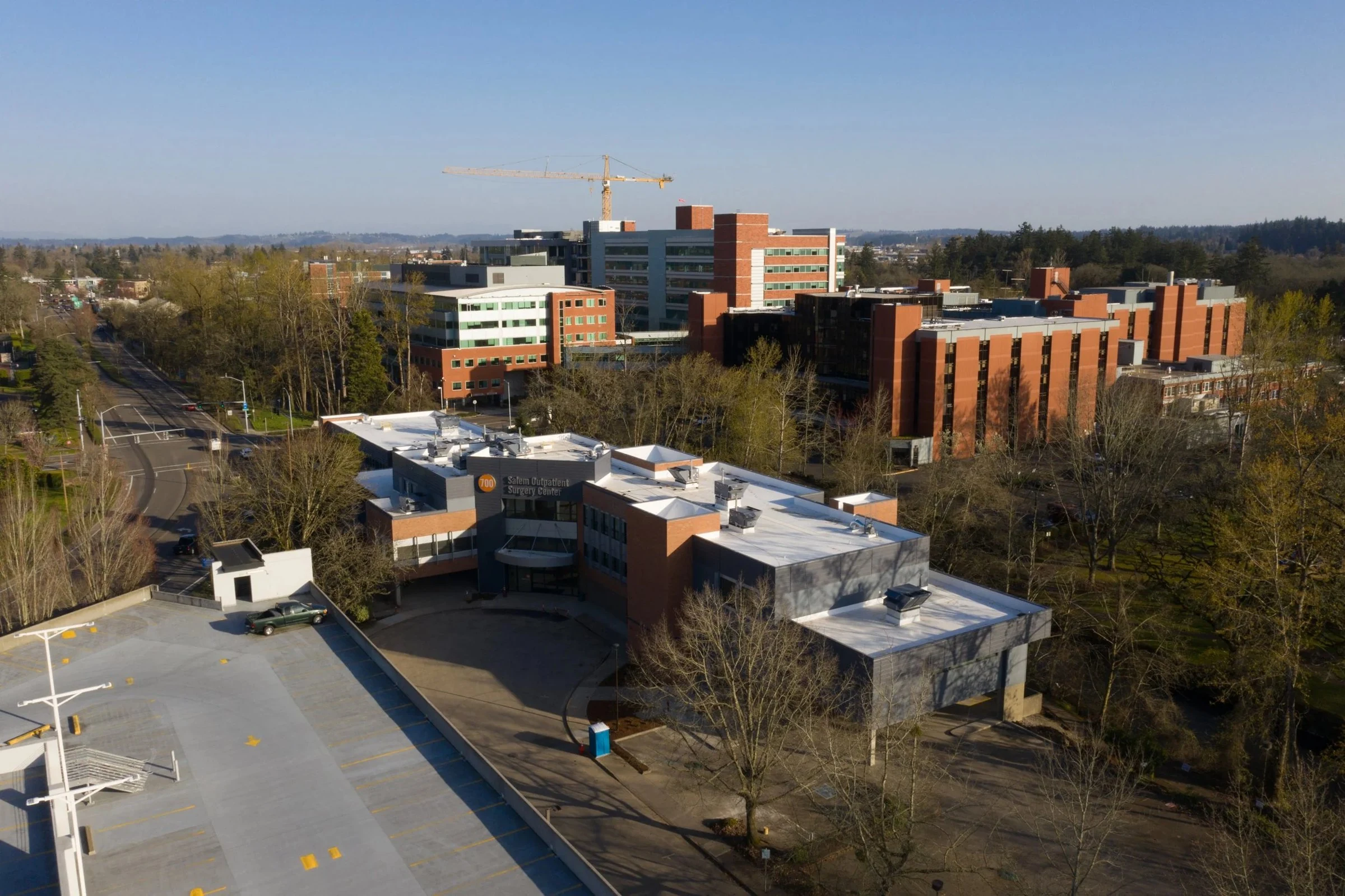
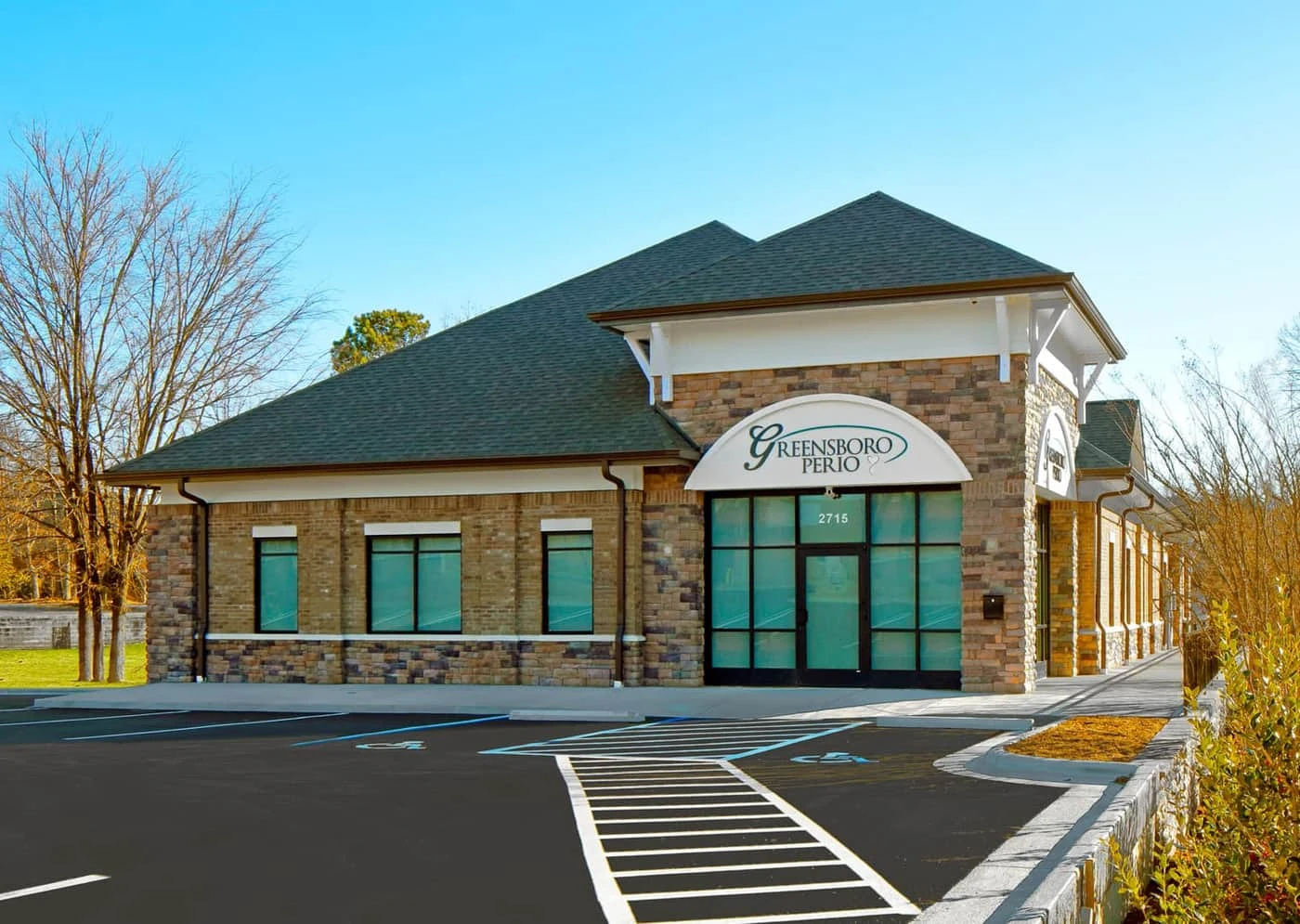
Lincoln's finance sector runs from single-story bank branches scattered through the city to larger back-office campuses supporting insurance and lending operations headquartered here. These buildings share a low tolerance for surprises: a leak over a server room, a records vault, or a customer-facing lobby gets treated as urgent no matter how minor the actual roof damage turns out to be.
Server and Records Space Changes the Priority List
A branch or back-office building often has a server closet, a records storage area, or secure vault space directly under a section of roof that would otherwise be low priority. We flag those zones on the roof plan so any leak, even a small one, gets triaged ahead of cosmetic issues elsewhere on the field. Water damage to records or equipment costs more than the roof repair itself, and timing matters more than it would on open office space.
We also ask branch and back-office staff to flag any equipment upgrades or new server placement that might change which roof zones need heightened priority. A vault or server closet that moved to a different part of the building since the last roof inspection means our priority map needs updating too, and we'd rather confirm that at inspection time than assume last year's layout still applies.
Branch Buildings Can't Close for a Reroof
A retail bank branch has to stay open through business hours, which means tear-off and dry-in work gets scheduled for early mornings, after close, or in phases small enough that the lobby and drive-through never lose weather protection overnight. We plan branch roofing around the branch's posted hours rather than asking a bank to shift its schedule around us.
Reflective Membranes on Buildings With Continuous HVAC Load
Finance back-office buildings run climate control on a steady schedule to protect both staff comfort and equipment. A white TPO or PVC membrane cuts rooftop surface temperature well below what a dark modified bitumen or aged EPDM roof reaches in direct summer sun, which reduces the cooling load rooftop units carry through Lincoln's hot, humid July and August stretch. That reduction shows up as lower demand charges on a commercial utility account, particularly on buildings with older, less efficient rooftop units.
For branches with older rooftop units nearing replacement age anyway, pairing that equipment upgrade with a reflective membrane switch tends to make more sense than doing them as two separate projects years apart. Coordinating the timing lets the new unit be sized against the roof's actual reduced heat load rather than against the old membrane's higher surface temperature, which can mean a smaller, less expensive unit doing the same job.
Drainage Gets Checked Before Anything Else
Financial buildings tend to be single-story with large flat roof fields, and ponding water at low drainage points is one of the fastest ways a membrane fails early. Before we recommend a coating, recover, or full replacement, we trace the roof's drainage from high points to discharge and identify any tapered insulation or drain modifications that would stop water from pooling against seams.
- Priority triage for leaks over server, records, or vault space
- Branch reroof scheduling around posted business hours
- Reflective membrane specification for continuous-HVAC buildings
- Drainage tracing and tapered insulation review
- Wind uplift and fastening pattern checks for standalone branch buildings
- Post-hailstorm documentation for insurance-side review
Hail Alley and the Spring Re-Roof Rush
Bank branches sit in the same open parking-lot exposure as most retail buildings, and southeast Nebraska's spring hail season hits them the same way. A branch roof that takes hail impact in April can develop a slow leak by midsummer if the damage isn't caught early, so we recommend a post-storm inspection even when there's no visible interior sign of a problem yet.
Standalone branch buildings also tend to sit in open parking-lot settings without much shelter from neighboring structures, which is part of why wind uplift and edge securement get checked as routinely as anything else on the roof. A branch that's due for a membrane update is a natural point to confirm the fastening pattern still meets current wind ratings, rather than assuming the original installation still holds up decades later.
Common Questions From Branch and Facilities Managers
Can you reroof a branch without closing it to customers?
In most cases yes. We phase the work and schedule tear-off in sections small enough that the building stays dry and open through business hours.
What happens if you find a leak over our server room?
We treat it as a priority repair and coordinate timing with your IT or facilities staff to get temporary protection in place quickly, ahead of scheduling any broader roof work.
Does a reflective roof make sense for a smaller branch building?
It can, particularly on branches with older rooftop units. The benefit scales with how much cooling load the building already carries and how dark the existing membrane is.
How do you know if ponding water is actually a problem?
Standing water that takes more than 48 hours to drain after a rain event accelerates membrane wear at that spot. We check drainage patterns during inspection and note any areas holding water past that window.
Should we request an inspection after every hailstorm?
For low-slope roofs, yes, since hail damage isn't always visible from ground level or even from the roof surface until it's aged a few months. A short inspection after a storm costs far less than discovering a slow leak over server or vault space months later, once the damage has already spread beyond the original impact point.