
Roofing Apartment Communities From Near-Campus to the Southeast Edge
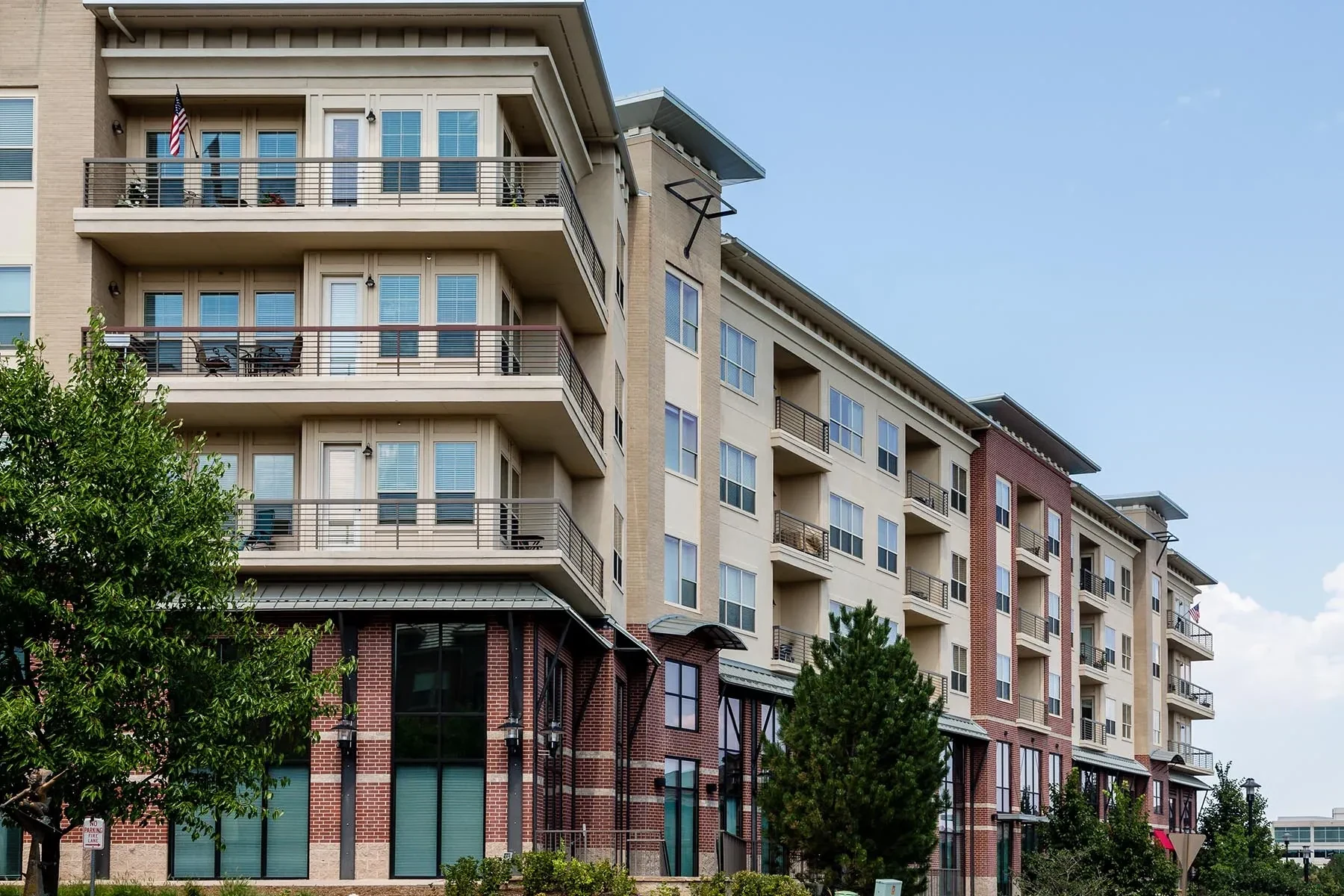
Apartment construction in Lincoln runs from dense near-campus student housing to newer garden-style and mid-rise communities filling in southeast of the city. These properties carry occupied units below the roof at all times, which means leak response time and tenant communication matter as much as the membrane itself.
A Leak in One Unit Is a Property-Wide Priority
Water intrusion into a single apartment unit affects a resident's belongings and, often, a unit below it if the leak isn't caught quickly. We treat apartment leak calls as priority work regardless of how large or small the affected roof section looks from outside, because the interior consequence scales fast on an occupied residential building in a way it doesn't on a vacant commercial space.
We also communicate directly with the affected resident when access to their unit is needed for repair, working through property management to schedule a time that respects the tenant's day rather than showing up unannounced. That coordination matters on an occupied residential building in a way it doesn't on a commercial space, since we're working inside someone's home, not an empty office suite.
Near-Campus Housing Faces a Tighter Turnover Window
Properties near the university lease on an academic-year cycle, and major roof work often has to fit into the same summer turnover window that property managers use for unit renovations. We coordinate scheduling with that turnover calendar so a reroof doesn't collide with move-in preparations in August.
Pitched and Low-Slope Roofs Both Show Up in This Market
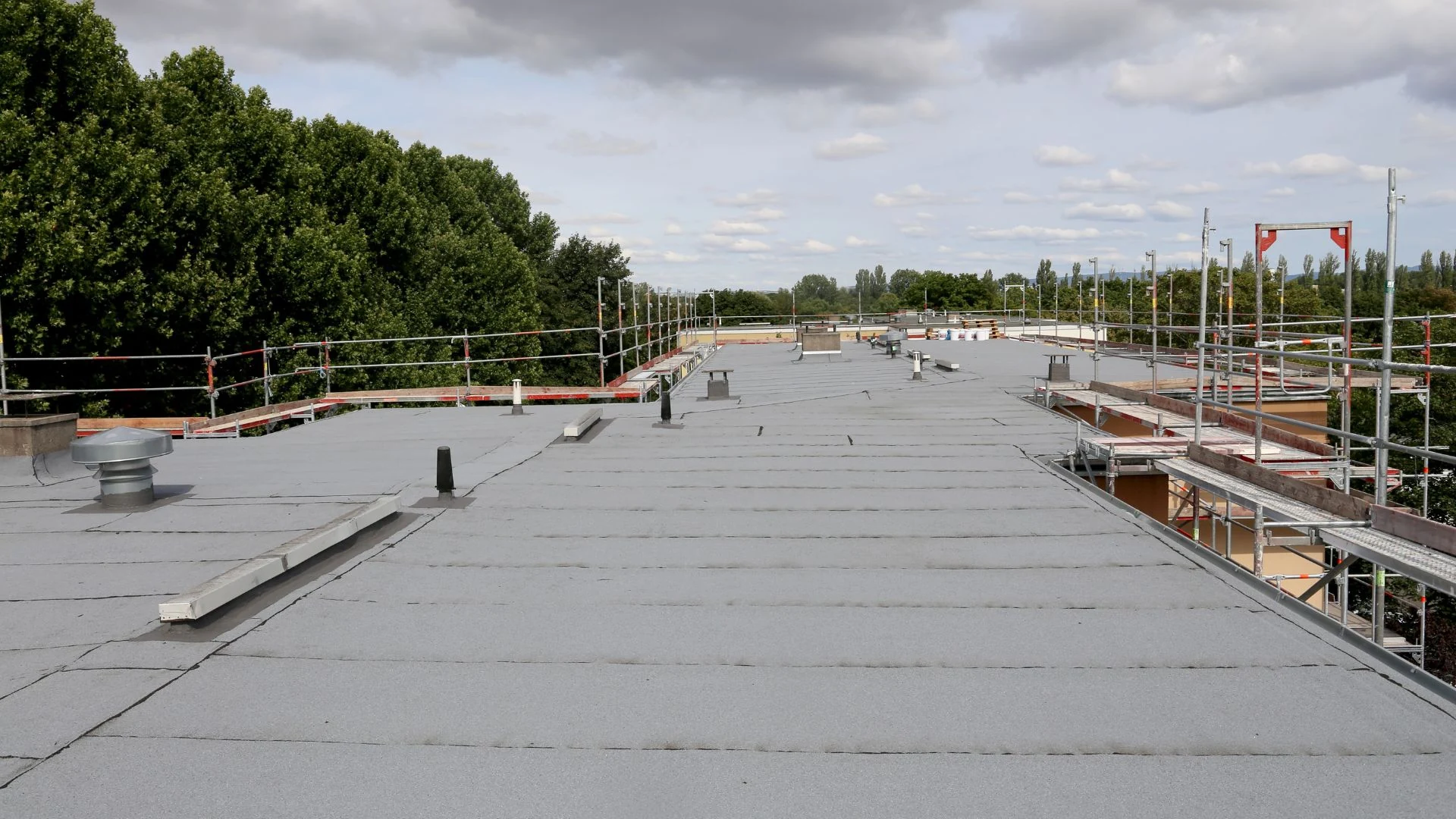
Some apartment communities run traditional pitched shingle or shake roofs, while newer garden-style and mid-rise buildings often carry flat or low-slope membrane sections over breezeways, amenity spaces, and mechanical areas. We evaluate each roof type on its own terms rather than applying a single approach across a property with mixed roof geometry.
Reflective Roofing Helps on Buildings With Top-Floor Units
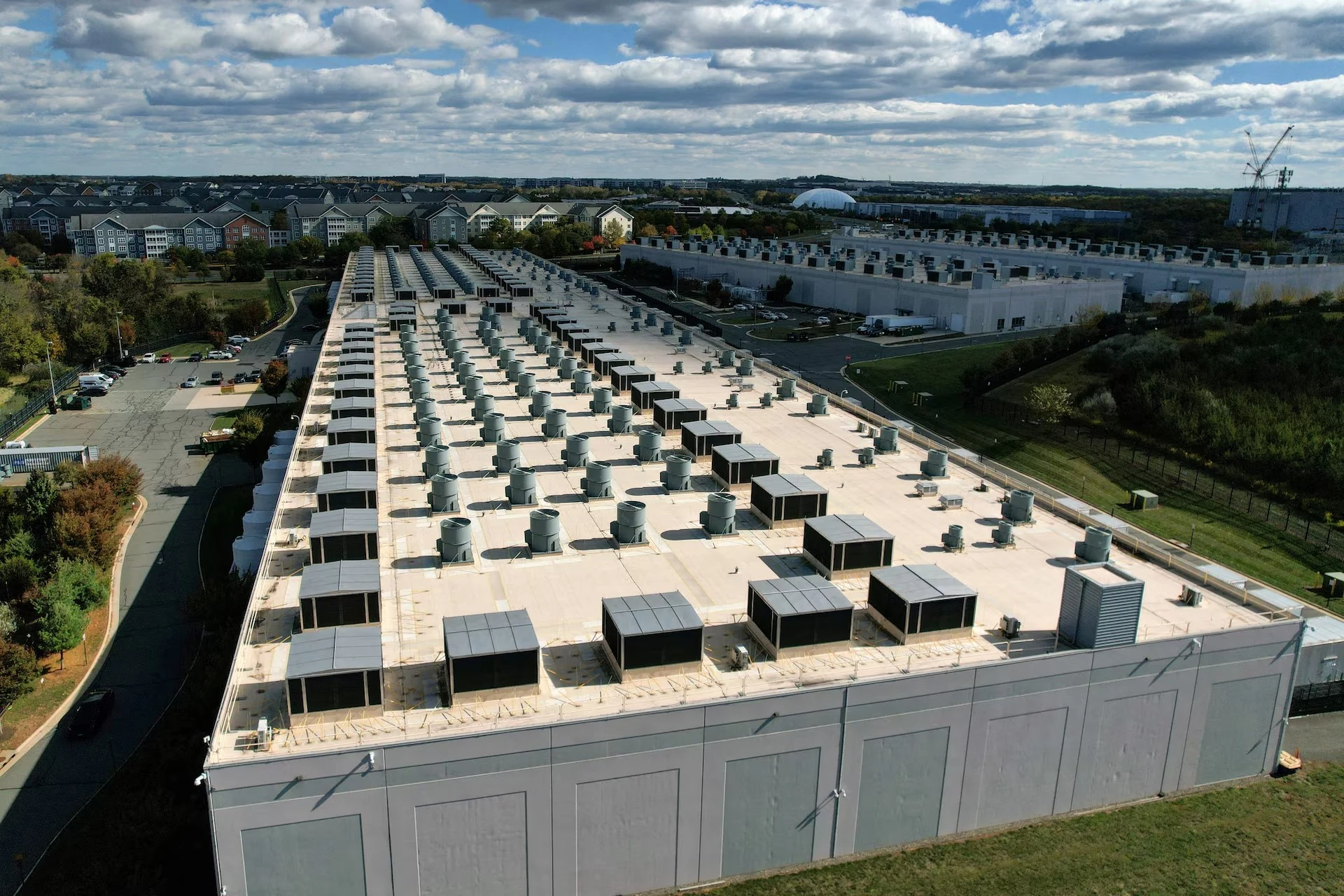
Top-floor apartment units take the brunt of rooftop heat gain in summer, and residents notice it directly in comfort and utility cost even when the HVAC is sized correctly. On flat or low-slope sections, a reflective membrane reduces that heat transfer, which can ease resident complaints about hot top-floor units during Lincoln's peak summer stretch without requiring any change to the unit's own HVAC equipment.
For properties with a mix of older and newer buildings, reflective roofing sometimes makes the most financial sense on whichever buildings already have the worst top-floor heat complaints, rather than rolling it out uniformly across the whole community at once. We help property managers prioritize which buildings would see the most noticeable improvement first, so a phased reflective roofing rollout targets the units generating the most maintenance calls before moving to buildings with fewer complaints.
- Priority response for leaks affecting occupied units
- Reroof scheduling coordinated with summer turnover windows
- Separate evaluation for pitched shingle versus low-slope membrane sections
- Reflective membrane options for buildings with top-floor heat complaints
- Storm damage documentation across multi-building properties
- Gutter and downspout review tied to unit-level water intrusion
Multi-Building Properties Need a Property-Wide View
A larger apartment community can span a dozen or more buildings built in phases, and roof age often varies significantly across the property. We track condition building by building rather than treating the whole community as a single roof decision, which lets property managers budget for the buildings that actually need attention first instead of a blanket replacement schedule.
Properties near the university also see heavier foot traffic across breezeway and amenity roofs than a standard garden-style community further from campus, and that traffic accelerates wear on membrane sections that weren't necessarily built to carry regular pedestrian use. We check those high-traffic sections separately during inspection rather than assuming they age at the same rate as the rest of the roof.
Hail Damage Across a Multi-Building Property
A spring hailstorm doesn't hit every building on a property evenly, especially on larger communities where storm tracks can vary building to building. We inspect each roof individually after a significant hail event and document impact damage by building, which property managers need for accurate insurance-side reporting.
Questions Property Managers Ask About Apartment Roofing
How quickly can you respond to a leak affecting a resident's unit?
We treat occupied-unit leaks as priority calls and aim to get temporary protection or repair scheduled quickly, given the direct impact on a tenant's living space.
Can a full reroof fit into our summer turnover schedule?
In most cases yes, if we're brought in early enough to plan around your unit turnover and move-in dates. We coordinate directly with your maintenance and leasing teams on timing, and we flag early if a project's scope looks too large for a single summer window so there are no surprises in August.
Do you handle both pitched shingle roofs and flat membrane sections?
Yes, and we evaluate each roof type on the property separately rather than applying one approach across mixed roof geometry.
Will a reflective roof actually help with top-floor unit complaints?
On flat or low-slope sections, it reduces heat transfer into the space below, which can meaningfully ease top-floor discomfort during peak summer heat.
How do you document hail damage across a property with multiple buildings?
We inspect and document each building individually rather than assuming uniform damage, since storm impact often varies building to building on a larger property. That building-by-building record also helps property managers decide which roofs to prioritize first if the budget doesn't allow addressing every affected building in the same season.