Built-Up Gravel Roofs Still Doing the Job on Lincoln's Older Buildings
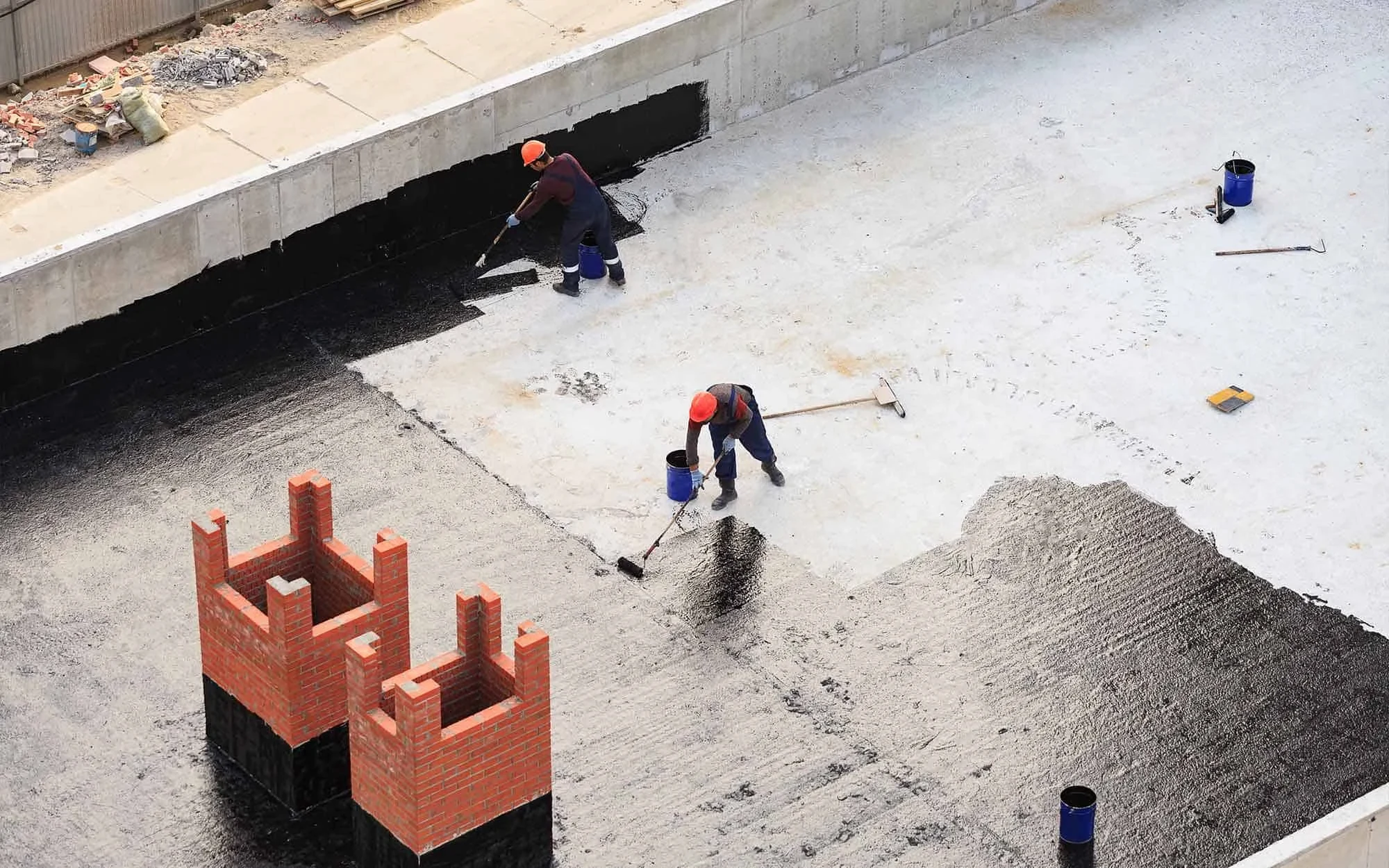
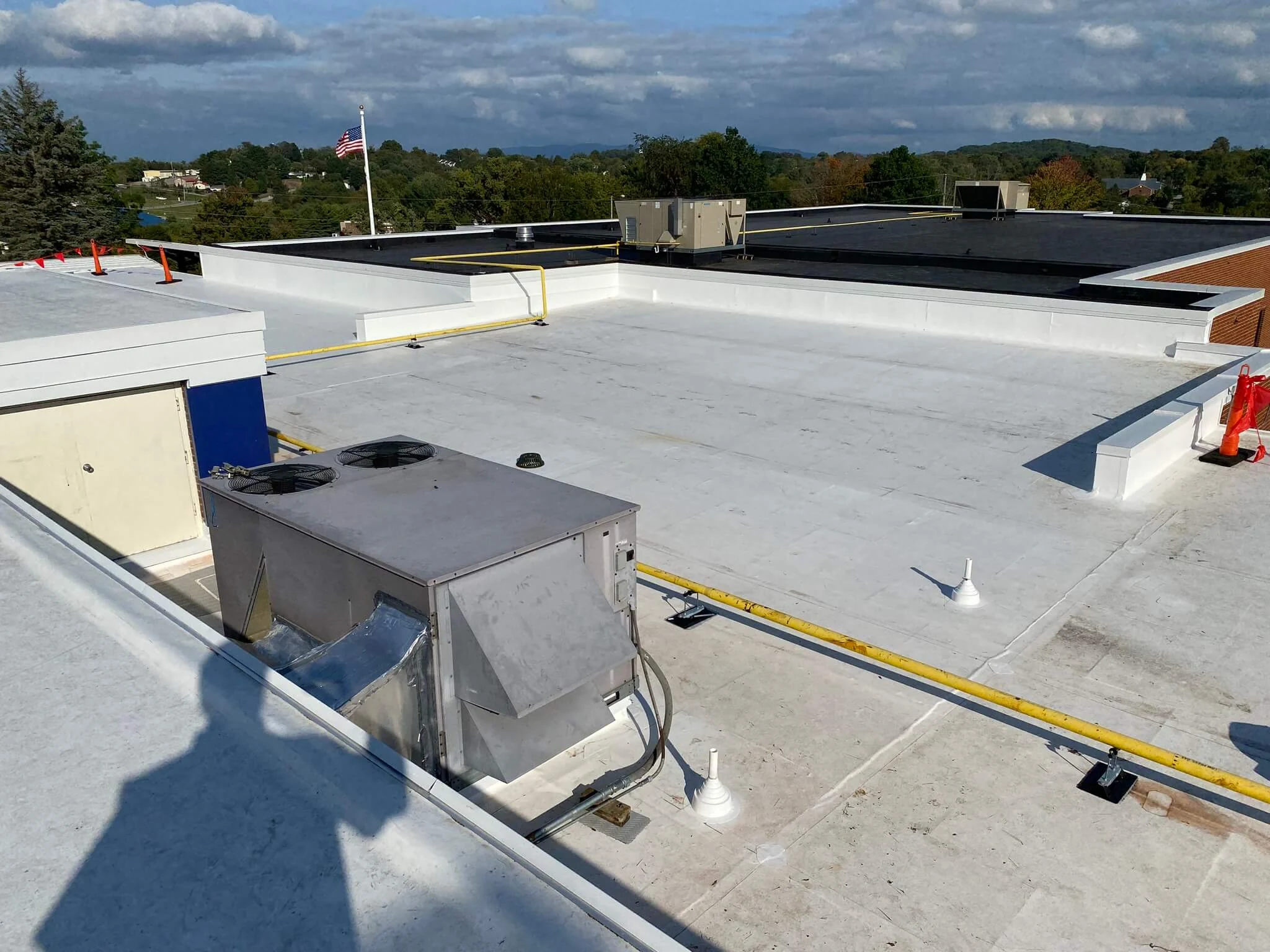
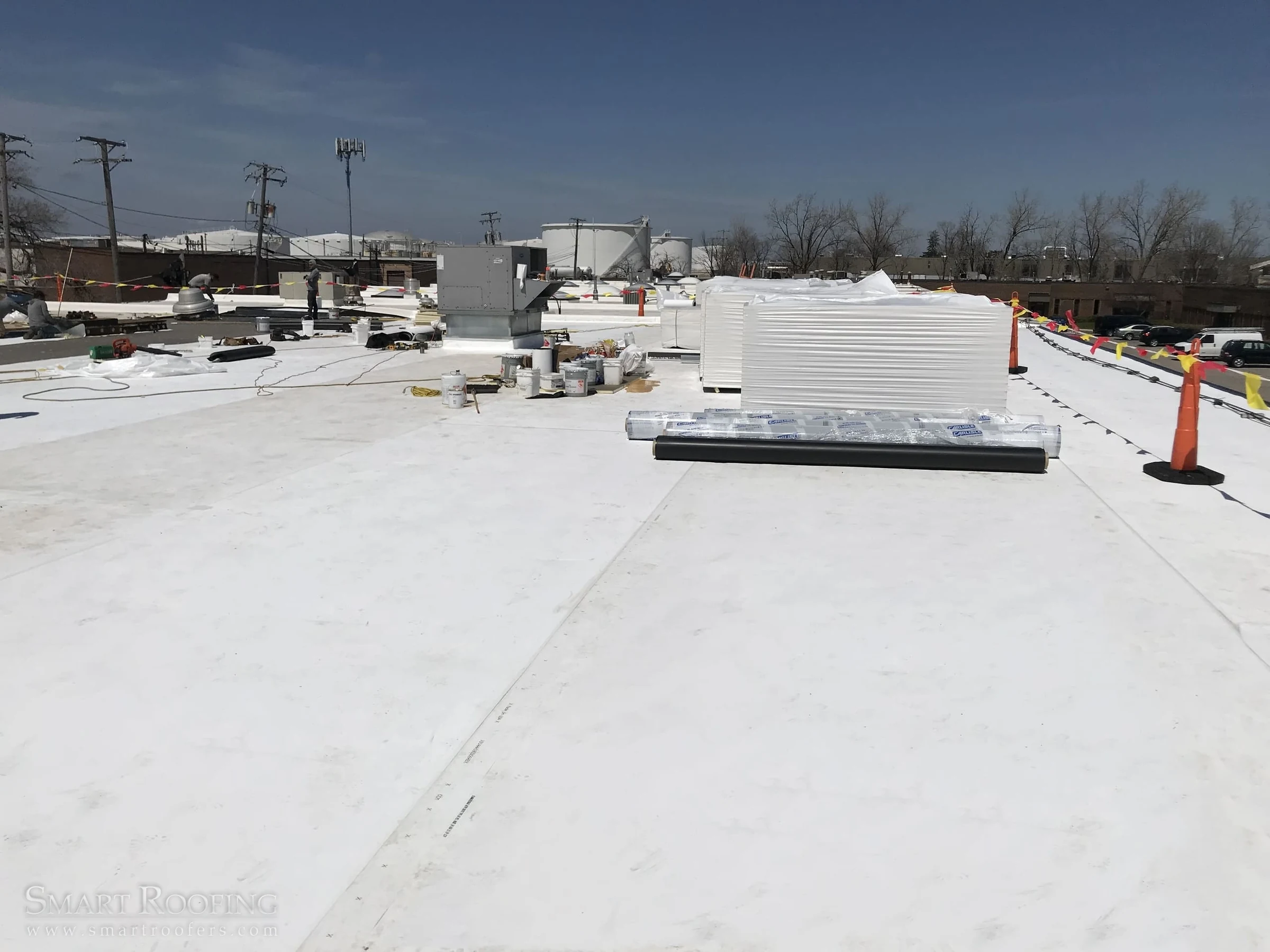
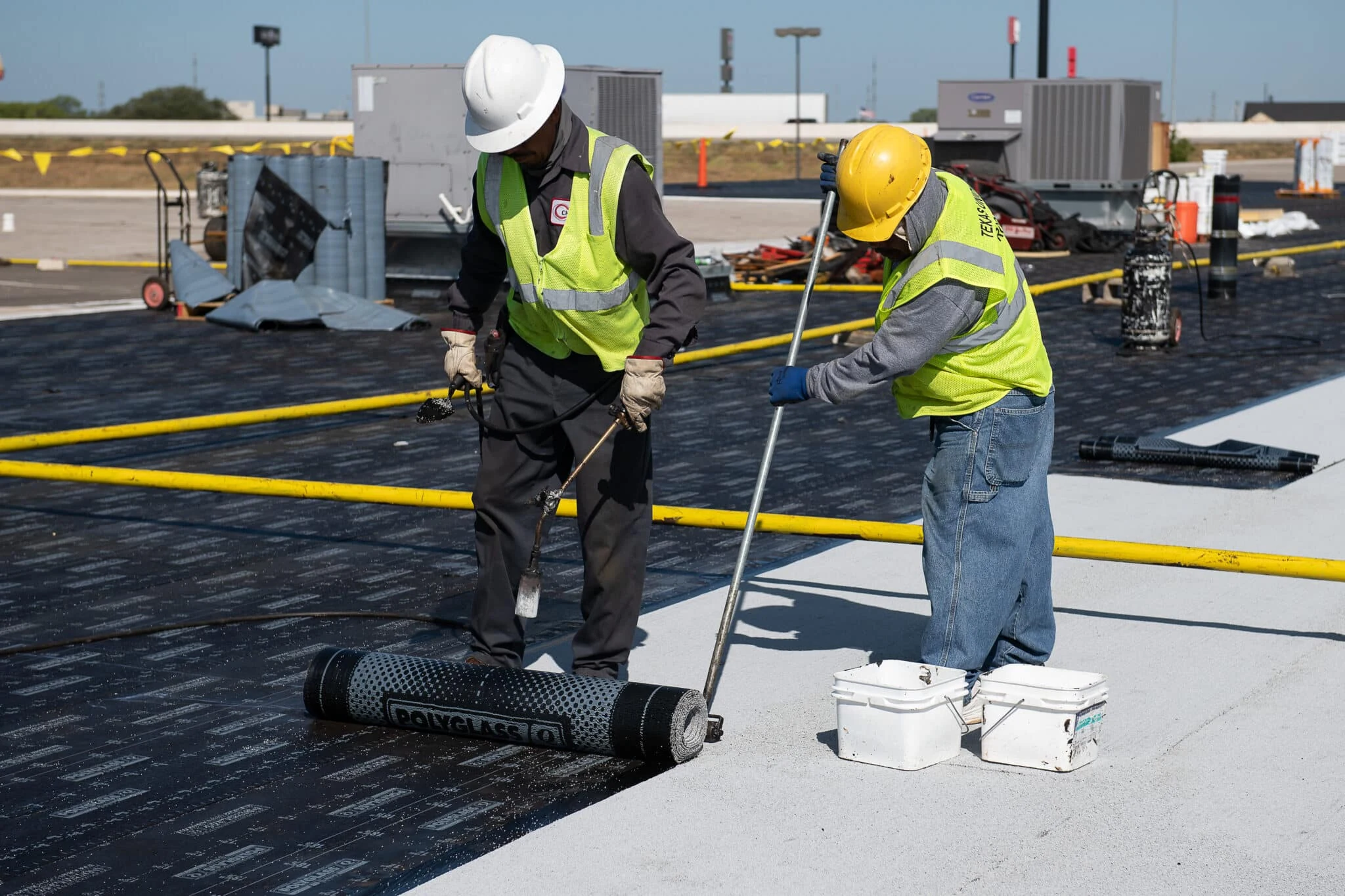
Built-up roofing, alternating layers of asphalt and reinforcing felt topped with a gravel or mineral surface, is one of the oldest commercial roofing systems still in service, and a fair number of Lincoln's state, university, and older commercial buildings still carry one. We repair, maintain, and where needed replace BUR systems rather than assuming every aging roof needs to be switched to something newer.
Why BUR Has Lasted This Long
A built-up roof's strength is in its mass. Three or four plies of felt saturated in asphalt, finished with a gravel surface, create a roof that resists puncture and foot traffic damage better than thinner membrane systems. The gravel layer also protects the asphalt plies underneath from direct UV exposure, which is a meaningful factor across a Lincoln summer with long, intense sun exposure day after day.
That thermal mass has a secondary benefit: it moderates how fast the roof surface heats and cools, which reduces the daily expansion-and-contraction cycling that stresses thinner single-ply membranes. On a building where the roof structure and insulation were designed around BUR decades ago, staying with the system rather than switching technologies at replacement time often makes structural and financial sense.
That mass also gives BUR strong resistance to foot traffic damage, which matters on roofs with frequent mechanical servicing. A technician walking a maintenance route across a membrane roof can puncture thin single-ply material if they're not careful about where equipment gets set down; a gravel-surfaced BUR roof shrugs off that kind of incidental contact far more easily.
Where We Still See It
Older sections of University of Nebraska buildings, some state office buildings, and a handful of manufacturing facilities built before single-ply membranes became standard still run built-up roofs, some of them decades old and still performing with consistent maintenance. These are usually large, flat, low-slope roofs where the weight of the gravel ballast isn't a structural concern.
A number of these buildings have had their BUR roofs patched and partially recoated multiple times rather than replaced outright, which is a reasonable strategy when the ply structure underneath is still sound. We inherit that maintenance history when we take on a new BUR client, and reviewing prior repair records is often as useful as the physical inspection itself.
Common Failure Points
- Blistering where moisture gets trapped between plies
- Alligatoring, or surface cracking, from prolonged UV exposure where gravel coverage has thinned
- Ponding water in low spots as the roof ages and settles
- Flashing failure at parapets and roof edges
- Gravel displacement after high-wind events, exposing asphalt to direct sun
Most of these show up gradually, which is why a roof that looks fine from the ground can still have real problems developing between the plies.
Repair, Recover, or Replace
We inspect the ply structure, check for trapped moisture with infrared or core sampling where warranted, and assess how much useful life remains before recommending a path. A BUR roof with sound plies and minor surface issues can often be recoated or have a new cap sheet applied rather than torn off entirely. One with widespread moisture infiltration usually needs a full tear-off, since wet insulation underneath won't dry out on its own and continues to degrade the roof assembly from below.
We put that assessment in writing with photos and, where infrared or core data was collected, the supporting readings, so the owner has a documented basis for budgeting a tear-off rather than a verbal opinion they have to take on faith.
Maintenance Through Nebraska Seasons
BUR maintenance centers on keeping gravel ballast distributed evenly, clearing drains before they clog with displaced gravel or debris, and checking flashing after major wind or hail events. Spring inspections after hail season and fall inspections before winter freeze both matter, since undetected damage tends to get worse, not better, once cold weather sets in.
We also check drain strainers and scuppers ahead of the freeze-thaw stretch each fall, since a clogged drain that backs up water right before a hard freeze can turn into ice damming that stresses flashing and membrane in ways a clear drain never would.
Common Questions
Is a built-up roof outdated, or still a reasonable choice today?
Still reasonable in the right application, particularly where the building was designed for the added weight and where durability against foot traffic and puncture matters more than the lightest possible roof system.
How do you check for moisture trapped inside a BUR roof?
Infrared scanning after dark, once the roof has absorbed and is releasing daytime heat, can reveal wet insulation that isn't visible from the surface. Core sampling confirms it directly where needed.
Can gravel ballast be replaced without redoing the whole roof?
Yes, if the plies underneath are sound. Regravelling is a routine maintenance task, not a sign the roof needs replacement.
Does BUR handle Lincoln hail well?
The gravel surface absorbs a good deal of hail impact energy before it reaches the asphalt plies, which is one of BUR's practical advantages during spring storm season.
What causes blistering on a built-up roof?
Moisture or trapped air between plies expands under heat and pushes the layers apart, forming a blister. Left alone, blisters tend to grow and eventually crack open, so we address them before they progress rather than waiting.
How long does a built-up roof typically last here?
Twenty to thirty years is common with consistent maintenance, and some well-maintained BUR roofs in Lincoln have run considerably longer than that.