
Hail Damage Roof Insurance Claims in Lincoln, NE
Lincoln sits inside one of the most hail-prone stretches of the country, and the difference between a clean insurance claim and a drawn-out dispute usually comes down to how well the hail damage got documented before anyone started arguing about it. We inspect commercial roofs after hail events, build a factual damage record, and hand owners a scope they can bring straight into the claims conversation.
Why Hail Damage Is Easy to Underestimate
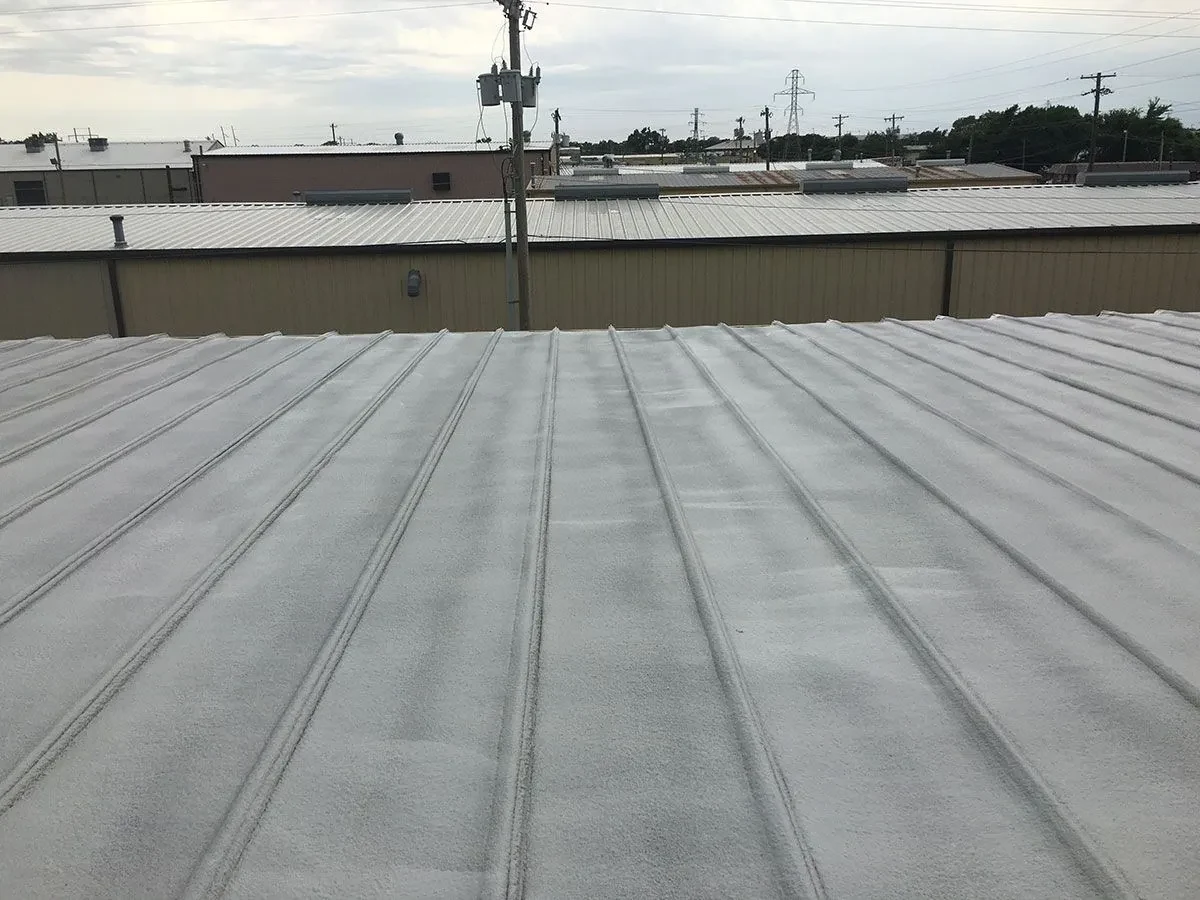
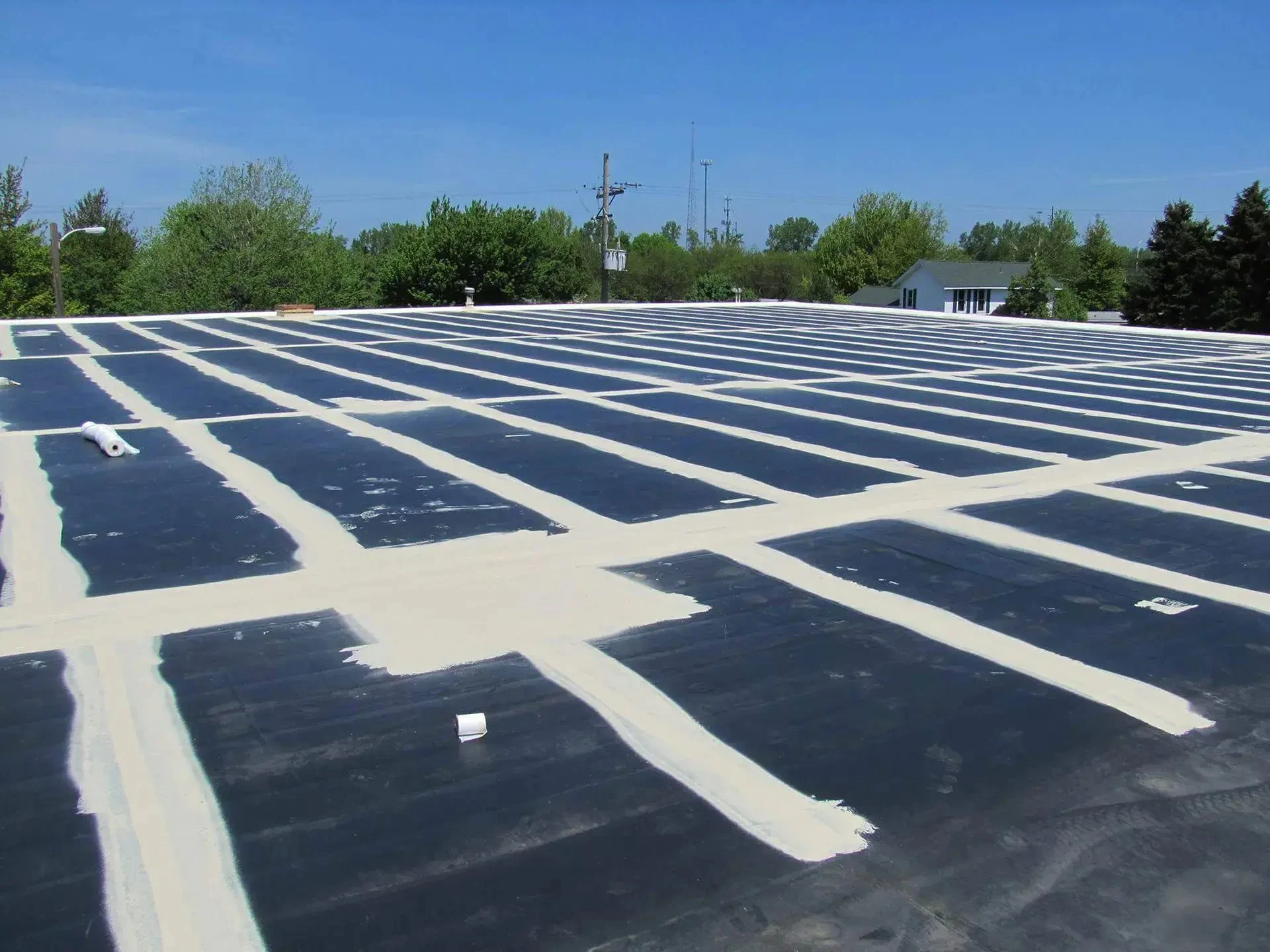
Hail on a low-slope commercial membrane rarely looks like the dented hood of a car in the parking lot below it. On TPO and PVC membranes, impact usually shows up as bruising or small splits in the surface that only reveal themselves on close inspection. Modified bitumen and built-up roofs lose granules and can crack at impact points. None of that is visible from ground level, and a roof that looks fine from the sidewalk can have real hail damage waiting to leak the next time it rains.
Zone-by-Zone Impact Documentation
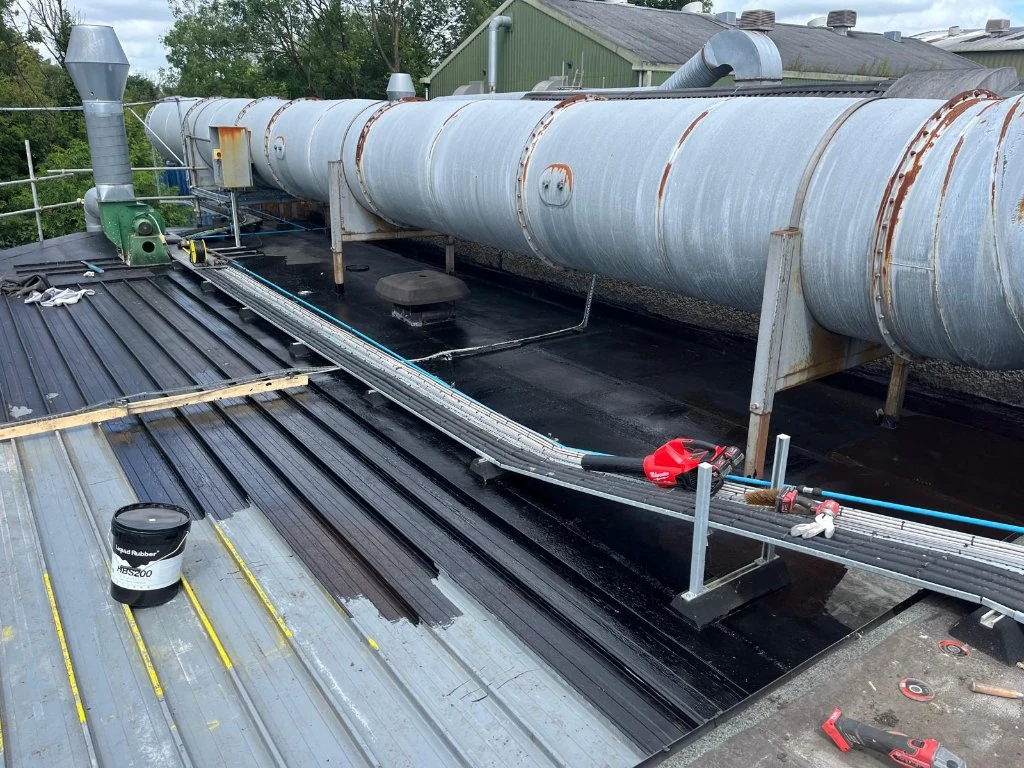
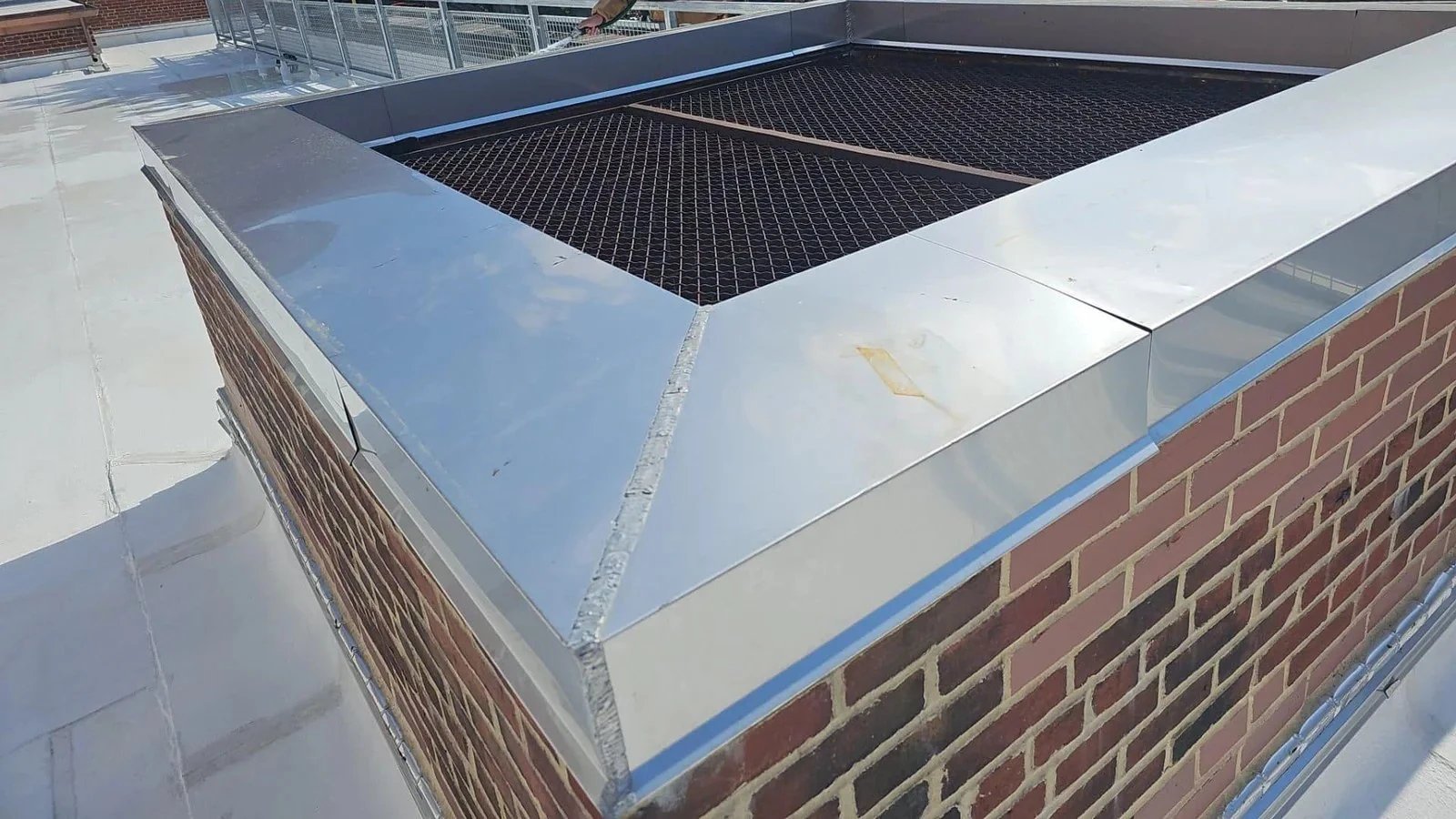
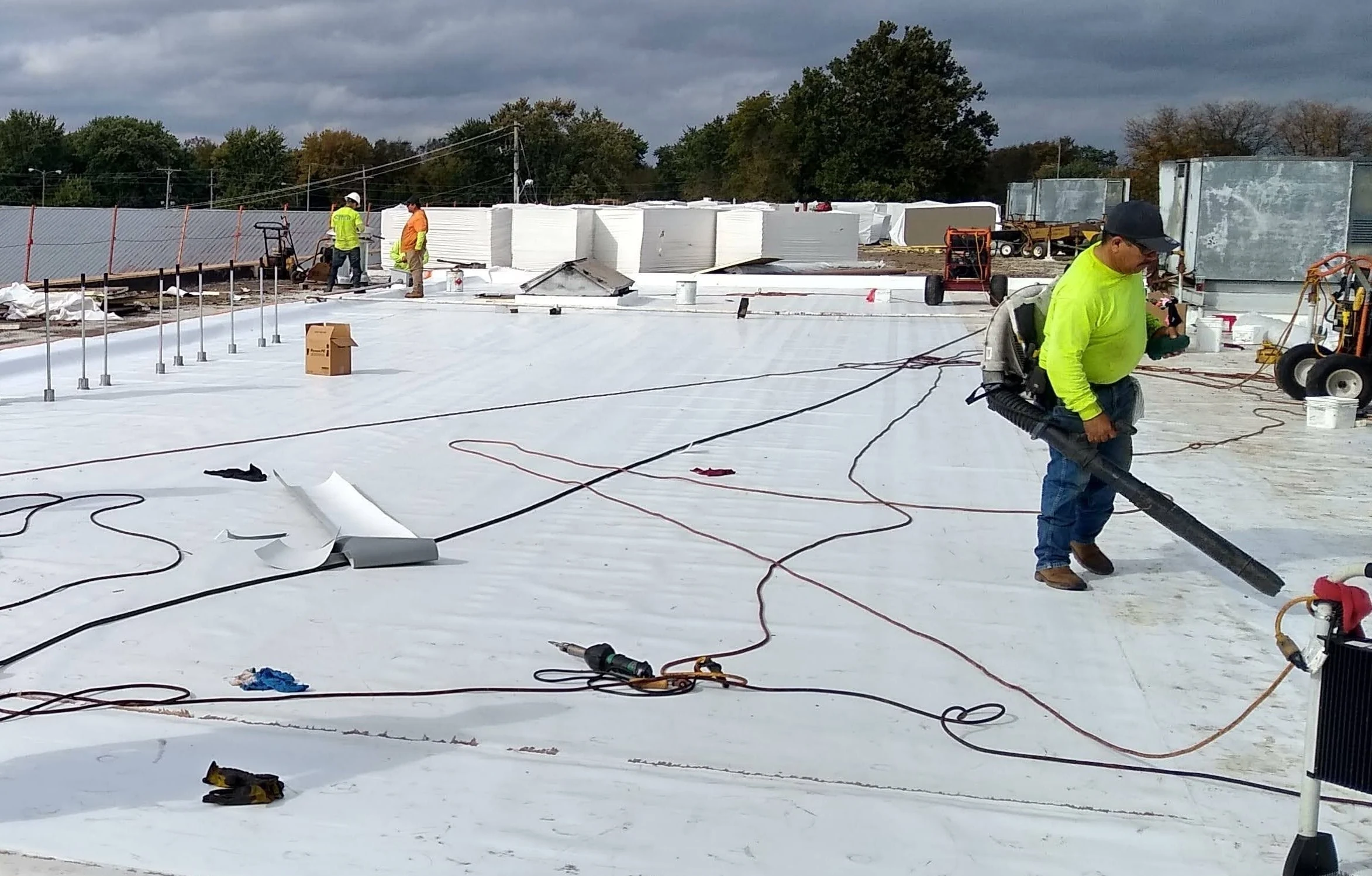
We walk the full roof in sections, checking membrane texture by hand since hail impact density varies across a roof depending on wind direction during the storm. We photograph impact patterns, flashing and coping condition at every parapet section, and pipe boots and equipment curbs, since those small details concentrate damage just as often as the open field membrane does. Everything gets logged by zone so an adjuster reviewing the file later can follow exactly where and how dense the impact was.
Separating Hail Damage From Existing Wear
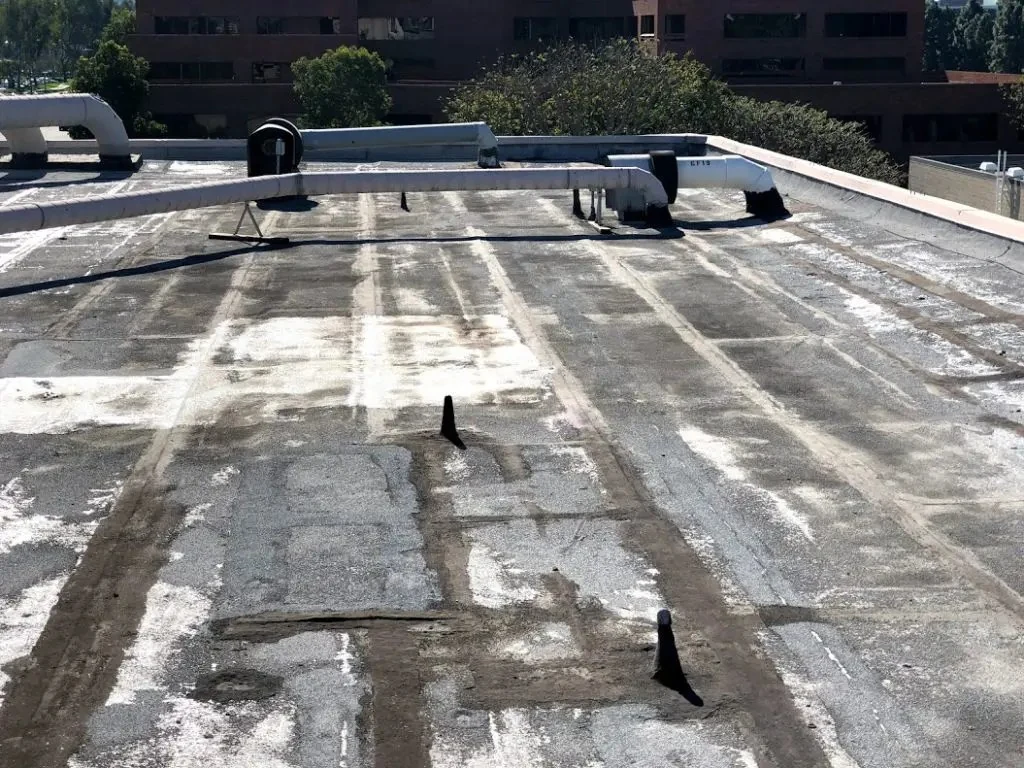
Not every mark on an older membrane is from the most recent storm. UV wear, prior patch work, and general age show up on roofs that have been in service a decade or more, and part of an honest damage record is noting what looks consistent with the recent hail event versus what was already there. We record what we actually find , we don't inflate a scope to make a claim look bigger, and we don't leave real hail damage off the record either.
Walking the Roof With Your Adjuster
We meet adjusters on the roof directly and point out documented impact zones, flashing damage, and anything else in our record, answering technical questions about membrane condition and repair method along the way. Our part in that meeting is roofing expertise and an accurate record , the carrier and adjuster make the actual coverage call.
Nebraska's Spring Hail Season
Spring and early summer bring the supercell season that puts Lincoln inside hail alley, and a single storm cell can hammer one side of the city while leaving buildings a few blocks over untouched. Because storms often stack up in the same season, we prioritize getting to a roof quickly after a reported hail event , delayed inspection risks another storm layering new damage on top of the first before anyone has a clean record of what happened when.
A Complete Scope Beyond the Obvious Damage
A hail claim scope that only covers the field membrane misses flashing, coping caps, pipe boots, rooftop equipment curbs, and drain strainers that take impact just as hard as the open roof does. We itemize the full extent of what we find, including code-mandated upgrades a repair might trigger, so the accepted scope reflects the whole roof rather than the parts easiest to spot from a quick walk-through.
Hail Claims Across Lincoln's Different Building Types
A hailstorm hits a distribution warehouse near the interstate and a downtown insurance office building the same way physically, but the claim documentation looks different for each. A warehouse with a large open membrane field and minimal rooftop equipment usually shows damage spread fairly evenly, and a straightforward impact-density count across the field membrane tells most of the story. An office or back-office campus with dense HVAC equipment and dozens of penetrations concentrates damage at those curbs and flashing details, so the documentation has to be more granular, point by point, rather than a simple field-wide count. University buildings with older modified bitumen roofs add another wrinkle, since granule loss from hail impact can be harder to distinguish from years of UV wear without a trained eye on site.
We're your roofing contractor, not a public adjuster , we document and substantiate the hail damage so you and your adjuster work from an accurate, complete scope.
Common Questions on Hail Damage Claims
How do I know if my roof has hail damage if I can't see dents?
Hail damage on membrane roofing usually shows as bruising, small splits, or granule loss that's only visible on close, hands-on inspection. A roof-level assessment after any significant hail event is the reliable way to know.
Can you tell which storm caused the damage?
We document current roof condition and note damage patterns consistent with a reported storm date, but confirming a specific event as the cause is ultimately part of the insurance adjustment process.
How soon should I get my roof inspected after hail?
As soon as reasonably possible. Nebraska's spring storm pattern means another hail event can follow quickly, and documenting damage before that happens keeps the record clean.
Will you negotiate my claim with the insurance company?
No. We provide thorough documentation and a complete repair scope to support your claim conversation. Negotiating the claim itself is between you and your carrier.
What if the insurance adjuster's assessment misses damage we found?
We can walk the roof with the adjuster directly and point to specific documented findings. Where there's a factual disagreement about roof condition, additional photos or a supplemental inspection can support the conversation.