R-Panel Metal Roofs for Warehouses Watching the Budget
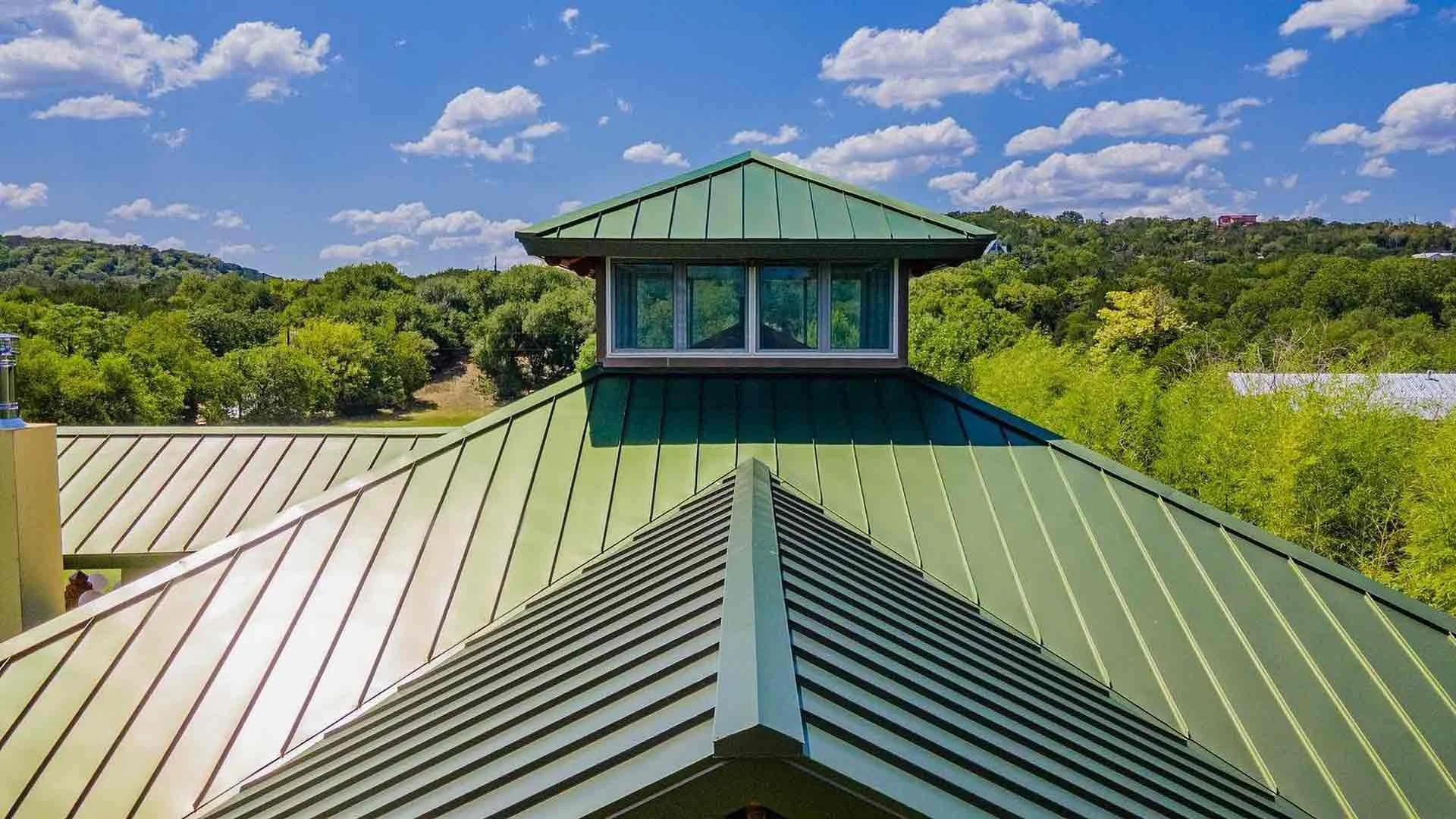
R-panel, the exposed-fastener corrugated metal panel found on countless Nebraska warehouses, ag buildings, and light industrial structures, remains one of the most cost-effective roofing systems we install. It won't match standing seam's fastener-free profile, but for the right building it delivers durable, long-lasting protection at a materially lower installed cost.
How It Differs From Standing Seam
R-panel fastens directly through the panel face into the structure below, with screws typically placed at the panel ribs. That exposed-fastener approach is faster and less expensive to install than standing seam's concealed clip system, which is why R-panel remains the default choice on a lot of straightforward warehouse and manufacturing construction around Lincoln's industrial edges. The trade-off is that every exposed fastener is a potential future leak point once its rubber washer starts to age and compress, which is a maintenance item standing seam largely avoids.
For a building owner comparing bids, that upfront cost difference is often the deciding factor, and it's a legitimate one. R-panel remains a proven, code-compliant system when the maintenance commitment is understood and followed, and plenty of the warehouse buildings around Lincoln's industrial corridors have run R-panel roofs reliably for decades with routine fastener attention.
Where R-Panel Makes Sense
- Warehouse and distribution buildings with straightforward gable or single-slope roofs
- Agricultural-adjacent commercial structures where budget efficiency matters more than architectural finish
- Manufacturing buildings with simple roof geometry and few penetrations
- Pole-barn-style commercial structures
- Additions matching an existing R-panel building
For buildings with complex rooflines, frequent rooftop equipment, or an owner planning to hold the property for many decades without a mid-life reroof, standing seam's higher upfront cost is often worth it. For a straightforward single-story warehouse on a tighter capital budget, R-panel remains a sound, well-proven choice.
Manufacturing buildings expanding capacity often add an R-panel bay to match an existing structure rather than mixing roof systems on the same building, since matching panel profile and fastener pattern keeps future maintenance simpler than managing two different roofing technologies on one connected structure.
Fastener Maintenance Is the Whole Game
The single biggest factor in an R-panel roof's service life is fastener condition. The rubber washers under each screw head compress and crack over time, especially under UV exposure and the repeated thermal cycling Lincoln's seasons put roofs through. Once a washer fails, that fastener becomes a direct path for water into the building. We inspect and re-torque or replace fasteners as part of routine maintenance, which is a fraction of the cost of chasing leaks after they've already soaked insulation and interior finishes.
Hail and Wind Performance
R-panel handles hail similarly to standing seam in that it dents rather than punctures under most impact scenarios, though thinner gauge panels can be more susceptible to visible damage. Wind performance depends heavily on fastener spacing and condition; a roof with aging, loosening fasteners is considerably more vulnerable to uplift during a straight-line wind event than one with fasteners in good condition. This is another reason routine fastener inspection matters more on R-panel than on concealed-fastener systems.
We track fastener condition roof by roof rather than assuming a uniform replacement schedule, since sun exposure, roof slope, and even the specific batch of washers installed originally can all affect how quickly they degrade. A south-facing slope with more direct UV exposure typically needs attention sooner than a shaded north-facing section of the same roof.
We keep a fastener log for repeat maintenance clients, noting which sections were replaced and when, so the next inspection can prioritize the areas most likely to need attention rather than starting from scratch every visit. On a large warehouse roof with thousands of fasteners, that history saves real time and cost over the life of the building.
Coating and Reflectivity Options
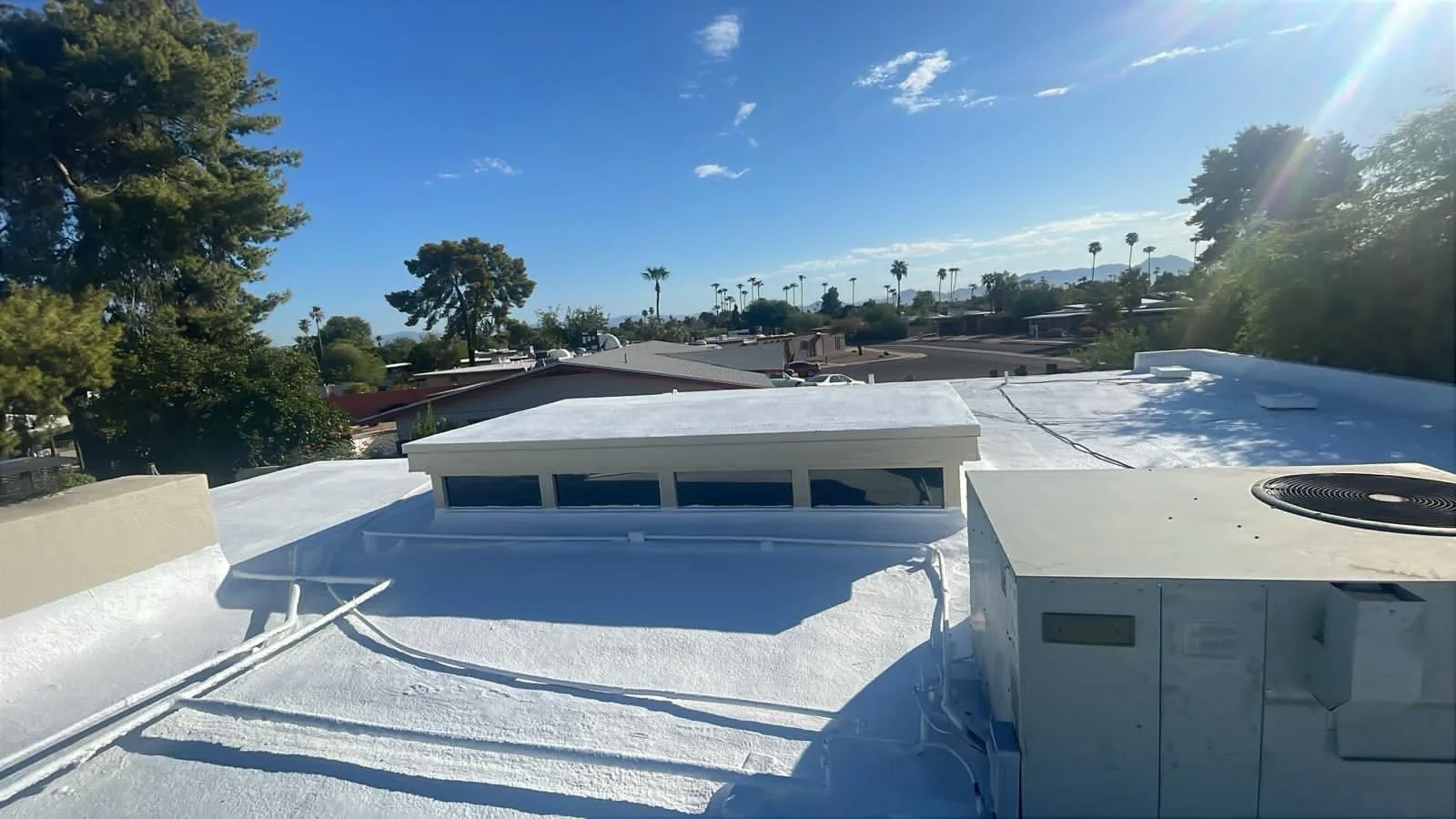
R-panel is available in reflective, cool-roof-rated finishes similar to standing seam, and on buildings with conditioned space below, that coating choice measurably affects rooftop heat gain and cooling demand through Lincoln's hot summer stretch. For unconditioned warehouse space where climate control isn't a factor, the coating choice becomes more about corrosion resistance and appearance than energy performance.
Common Questions
How often do R-panel fasteners need to be checked?
We recommend an annual inspection at minimum, with an additional check after any significant hail or wind event, since fastener washers degrade gradually and often fail without obvious visible warning. A brief walk with a torque driver catches most problems long before they show up as a leak inside the building.
Is R-panel a good option for a roof over occupied office space?
It can be, provided fasteners are properly maintained and adequate insulation is in place, though standing seam's fastener-free design is generally preferred where long-term leak risk matters most.
Can damaged R-panel sections be replaced individually?
Yes, in most cases individual panels can be removed and replaced without redoing the entire roof, provided a matching profile and finish are available.
Does R-panel need repainting over its life?
Depending on the coating system, a recoat at the mid-life point can restore reflectivity and appearance without a full panel replacement.
How does R-panel compare to standing seam for hail resistance?
Both dent rather than puncture under typical hail conditions, but R-panel's thinner gauge in some budget configurations can show more visible damage than a heavier standing seam panel would from the same storm.
What's the typical service life of an R-panel roof here?
Twenty-five to forty years with consistent fastener maintenance, shorter if fastener upkeep is neglected.