Multi-Ply Bitumen Roofs for Redundancy Against Hail Impact
Modified bitumen is a system built on redundancy: multiple layers, each contributing waterproofing and reinforcement, so that a single point of damage doesn't automatically become a leak. On a lot of Lincoln's older university, government, and institutional buildings, that layered approach is exactly why the roof has held up as long as it has.
Why Multiple Plies Matter Here
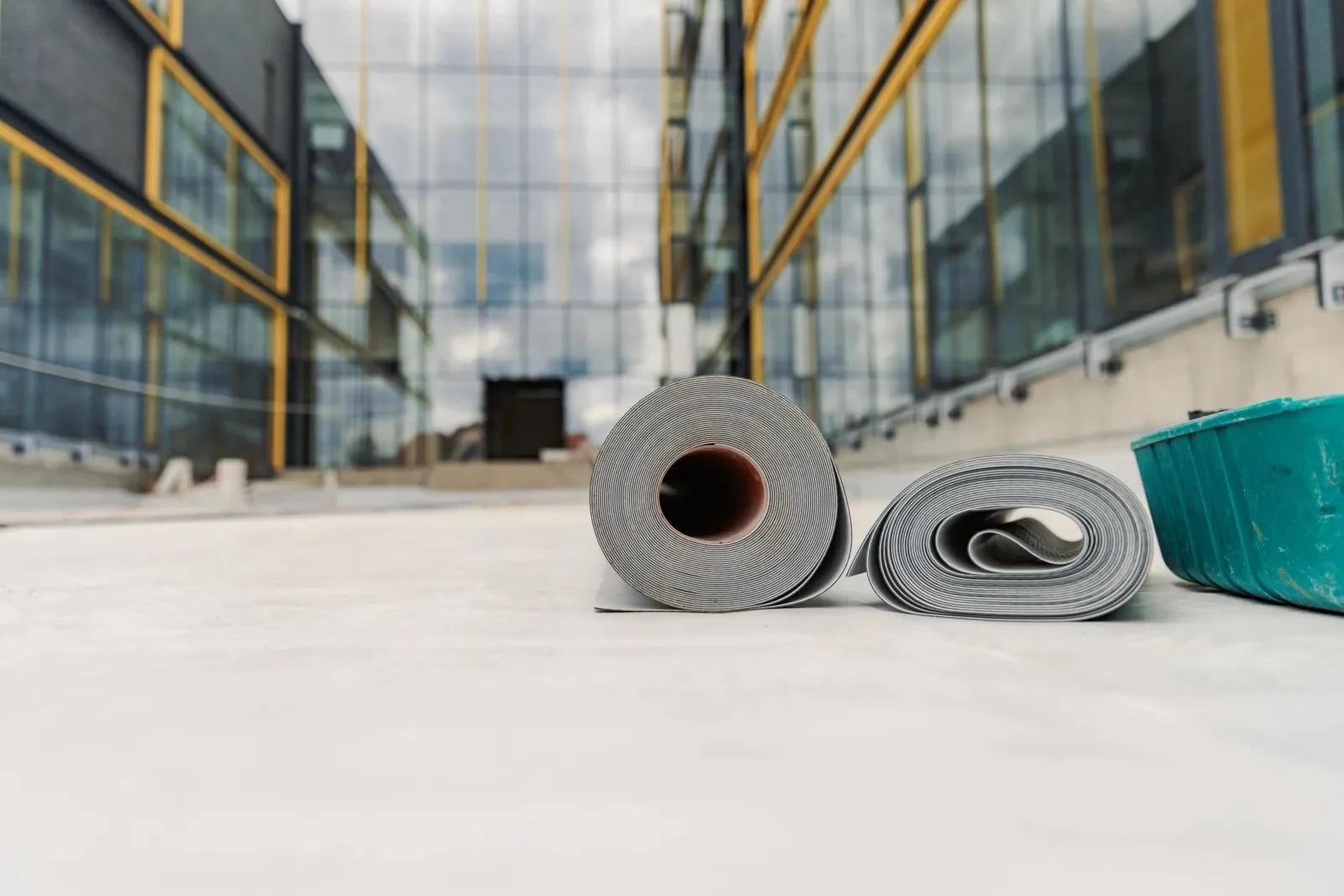
A single-ply membrane relies on one continuous sheet doing all the waterproofing work. Modified bitumen instead builds up two or more plies, often a base sheet and a cap sheet, each reinforced with polyester or fiberglass matting and modified with rubber or plastic compounds for flexibility. If hail or foot traffic damages the top layer, the layer beneath it is often still intact, buying time before a leak develops and giving us a clearer repair scope.
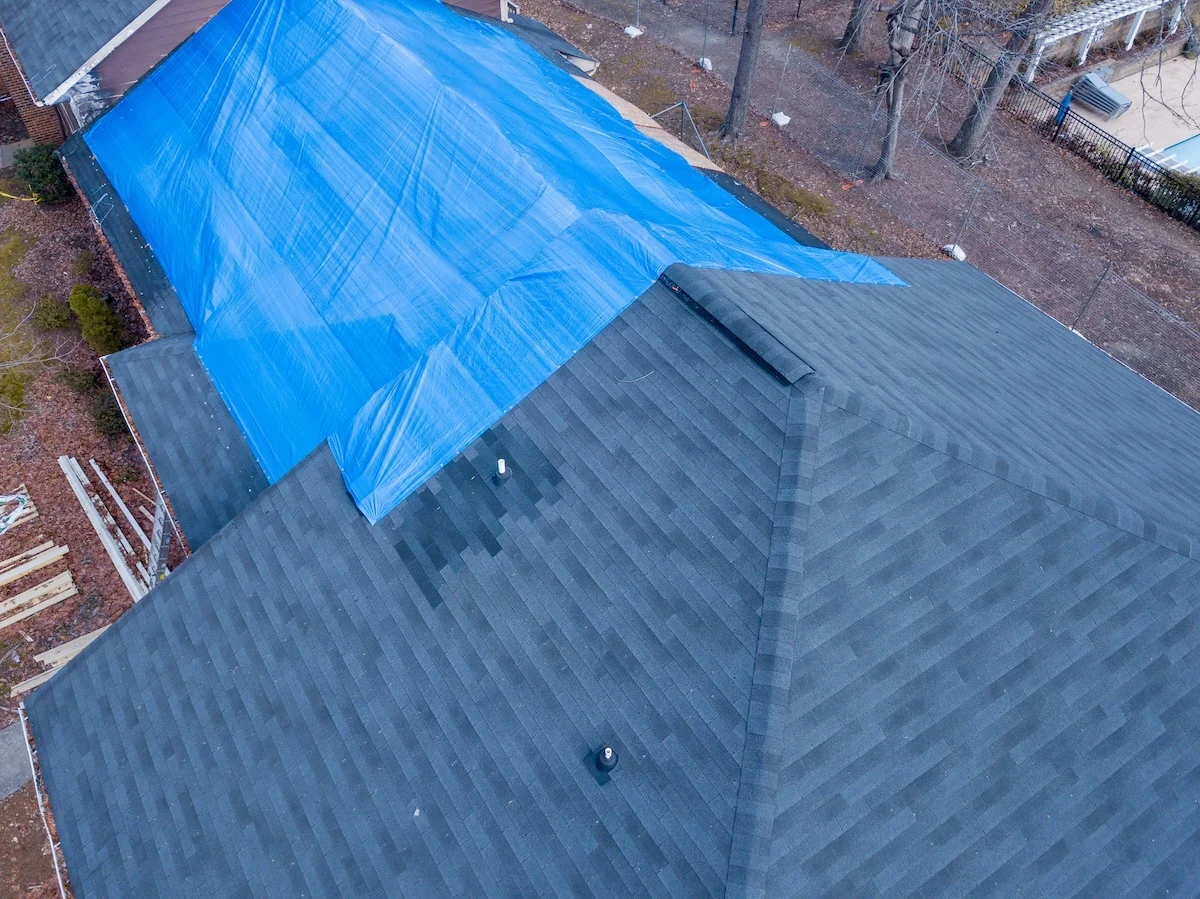
That redundancy is a real asset during hail season. Lincoln's spring storms don't hit every roof the same way, and a modified bitumen roof that takes a hard hit in one section can often be patched in that section rather than requiring a full replacement.
The reinforcement matting inside each ply also gives the system tensile strength that a plain asphalt coating wouldn't have on its own, which helps the roof resist splitting as the deck moves through Nebraska's seasonal thermal cycling. On buildings with a mix of roof ages, where sections were added or reroofed at different points over the decades, that layered strength is often what's kept older portions of the roof watertight longer than expected.
APP vs SBS Modification
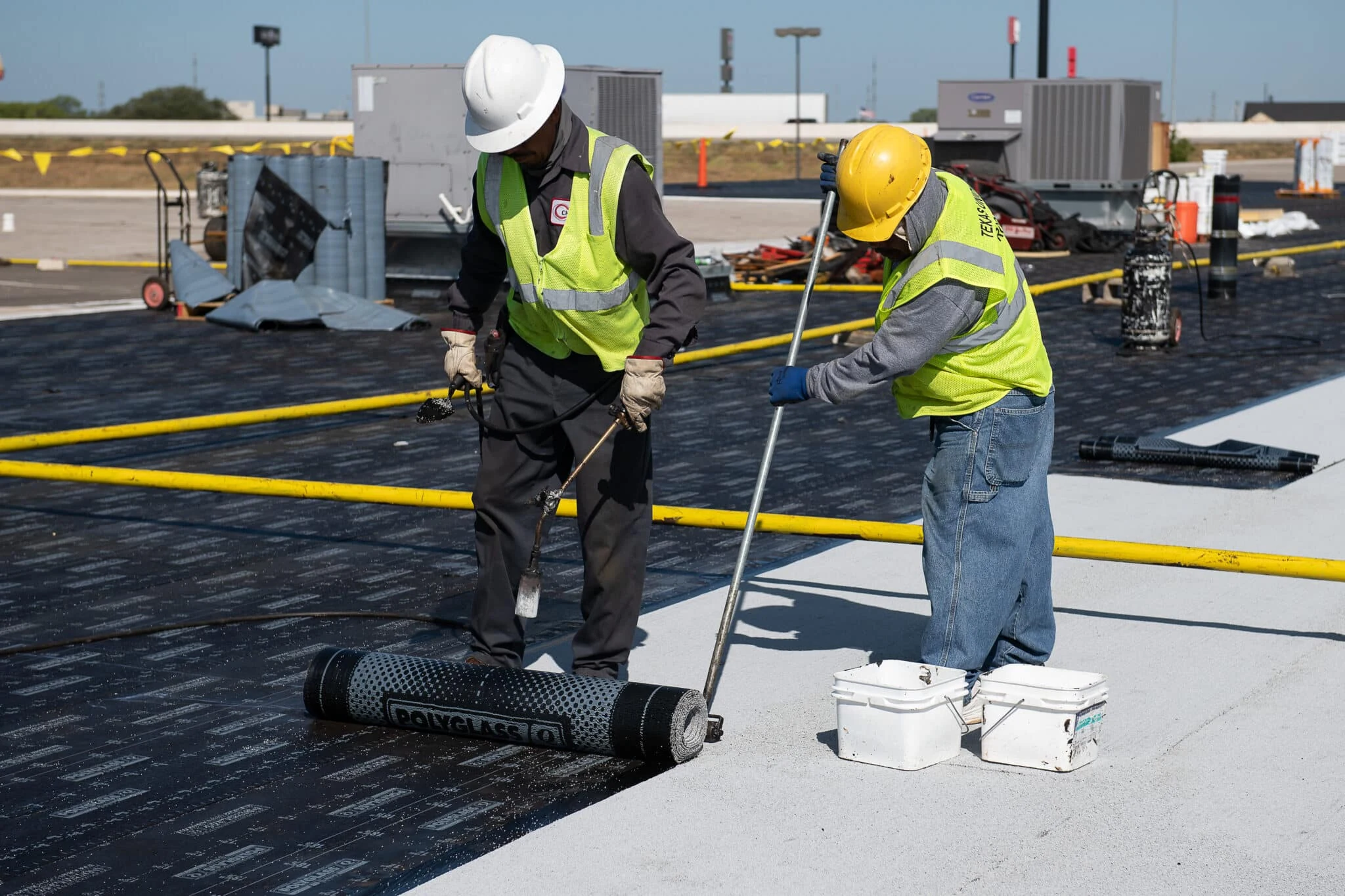
We work with both major modification types. APP-modified bitumen is typically torch-applied and performs well in high heat, holding its form through Lincoln's hottest summer days. SBS-modified bitumen is more rubber-like and flexible, better suited to buildings where cold-weather flexibility and resistance to the wide swings of a Nebraska winter matter more than peak heat performance. We select based on the building's exposure and existing roof assembly rather than defaulting to one type.
Roof orientation and shading play into that choice too. A south- or west-facing roof section that takes direct afternoon sun through a Nebraska summer sees more heat stress than a shaded north-facing section on the same building, and we sometimes specify different ply modification on different roof areas of the same building to match that reality rather than treating the whole roof as one uniform condition.
Application Methods
- Torch-applied, heat-fusing each ply to the one below
- Self-adhered, using factory-applied adhesive for buildings where open flame isn't practical
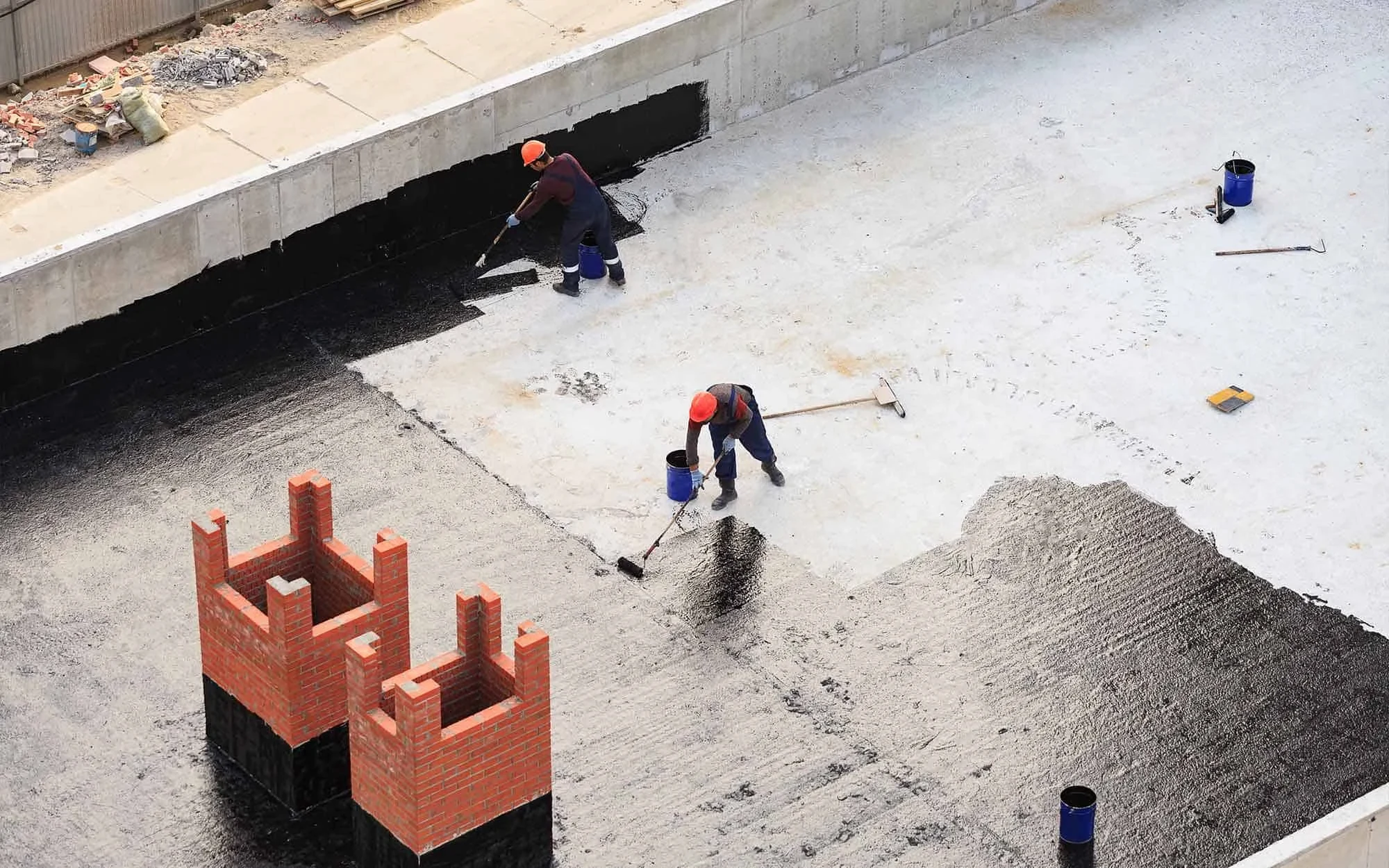
- Hot mopped, using heated asphalt as the bonding agent on larger commercial applications
- Cold adhesive, for retrofit situations with fire-sensitive occupancies nearby
Self-adhered systems have become more common on occupied buildings, since they eliminate the open-flame concern that comes with torch application near active offices or classroom buildings.
Where This System Shows Up
We see modified bitumen most on older government buildings near the Capitol, university buildings with decades of roof history already documented, and some manufacturing facilities where the multi-ply approach matches what was already installed decades ago. Rather than switching an entire building to a new membrane technology at replacement time, plenty of owners choose to stay with a modified bitumen system they and their maintenance staff already understand.
State-owned buildings in particular often carry maintenance and capital planning cycles that favor familiar systems with well-documented long-term performance, which keeps modified bitumen in steady demand even as newer single-ply membranes have become the default on new commercial construction elsewhere in the city.
Maintenance and Repair
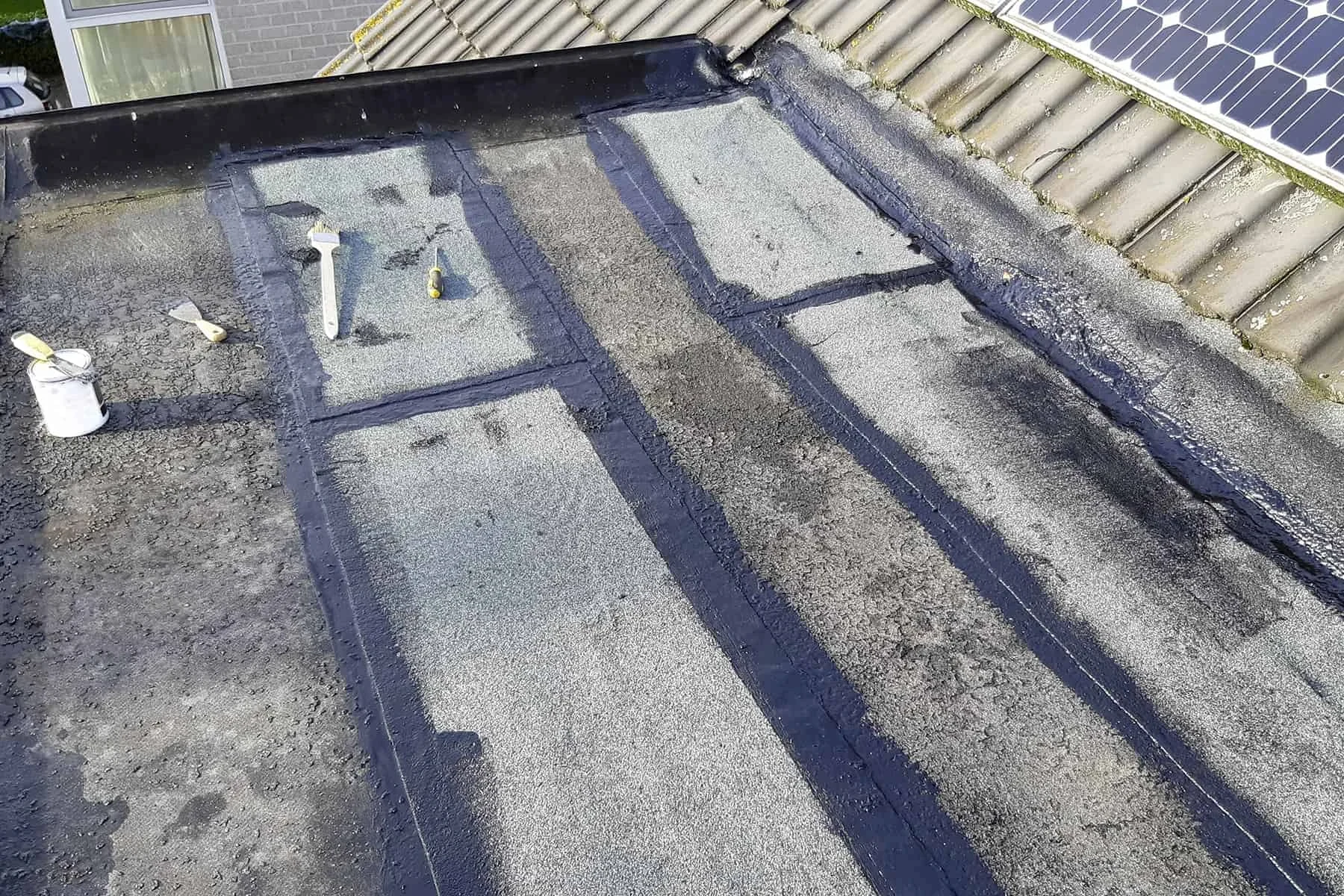
Because the system is layered, targeted repairs are often more straightforward than with some single-ply membranes: a damaged section can be cut out and a new patch fused in without disturbing the rest of the roof. We inspect flashing detail and ply adhesion at least annually, particularly around rooftop penetrations and parapet walls where movement and thermal cycling put the most stress on the seams between layers.
Granule loss on the cap sheet is another item we track over time, since exposed asphalt accelerates UV degradation once the protective mineral surface has thinned in a given area. Catching that early and applying a targeted recoat is far less costly than waiting until the underlying plies start to fail.
Common Questions
Is modified bitumen a good option for a roof replacement, or only repairs?
Both. It's a legitimate full replacement system, particularly on buildings where the existing roof was already modified bitumen and the deck and insulation are still sound.
Does torch application carry fire risk on occupied buildings?
There's inherent risk with any open-flame application, which is why we often recommend self-adhered or cold-adhesive systems on occupied buildings, especially those with sensitive contents or continuous operations.
How does modified bitumen handle Nebraska's freeze-thaw cycles?
SBS-modified systems in particular are formulated for flexibility across a wide temperature range, which helps the plies expand and contract together rather than separating during repeated freeze-thaw cycling.
Can a modified bitumen roof be coated to improve reflectivity?
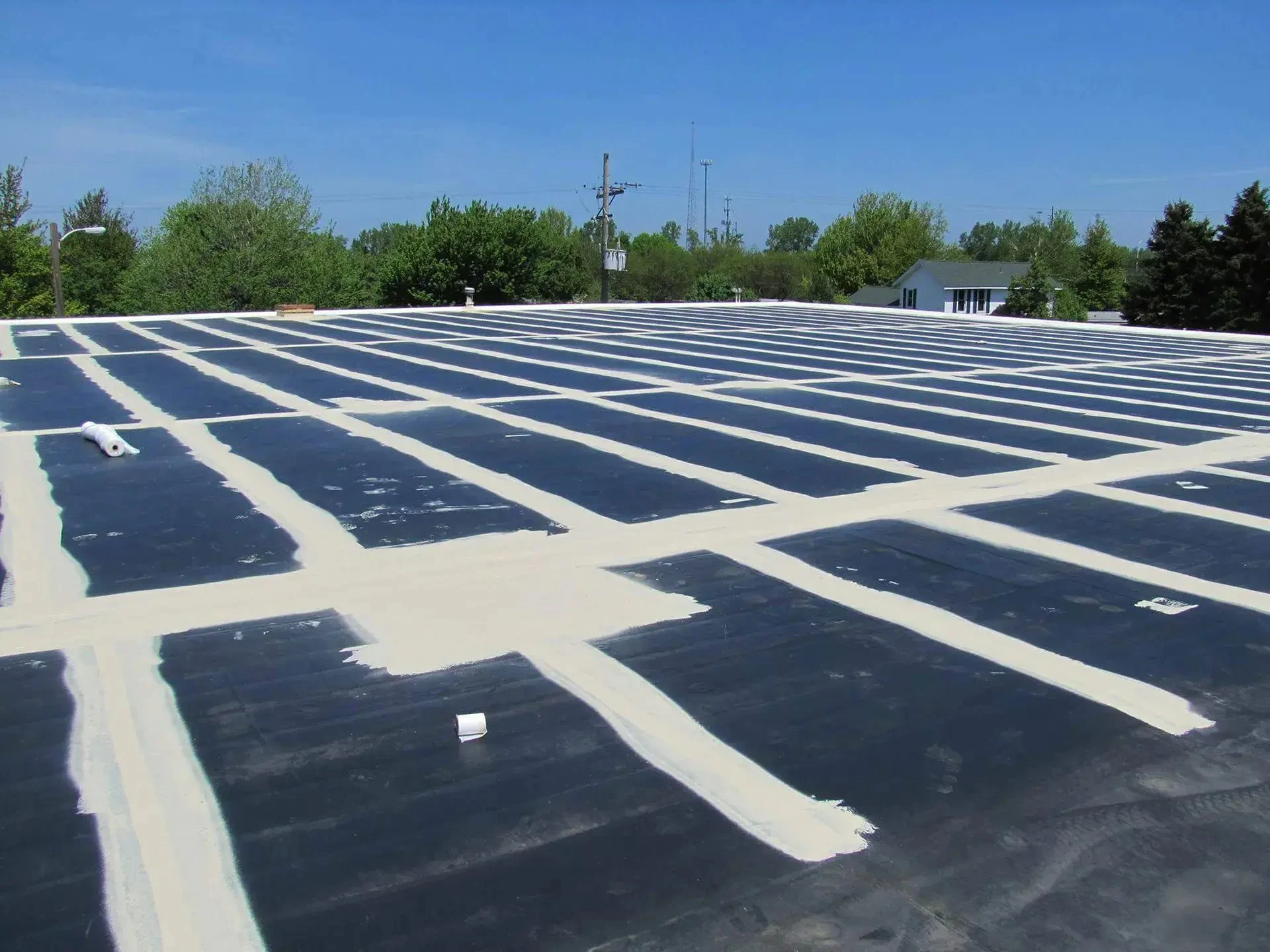
Yes. A granulated cap sheet can be coated with a reflective acrylic or silicone product to reduce surface temperature and extend service life without a full tear-off.
How is a modified bitumen roof repaired after hail damage?
Localized damage is typically cut out and a new patch heat-welded or self-adhered over the affected area, matching the existing ply structure. Because the system is layered, this repair rarely requires touching undamaged sections of the roof.
How long should a modified bitumen roof last with regular maintenance?
Fifteen to twenty-five years is common depending on ply count, modification type, and how consistently the roof gets inspected and maintained.