Recover Systems: Upgrading a Roof Without Tearing It Off
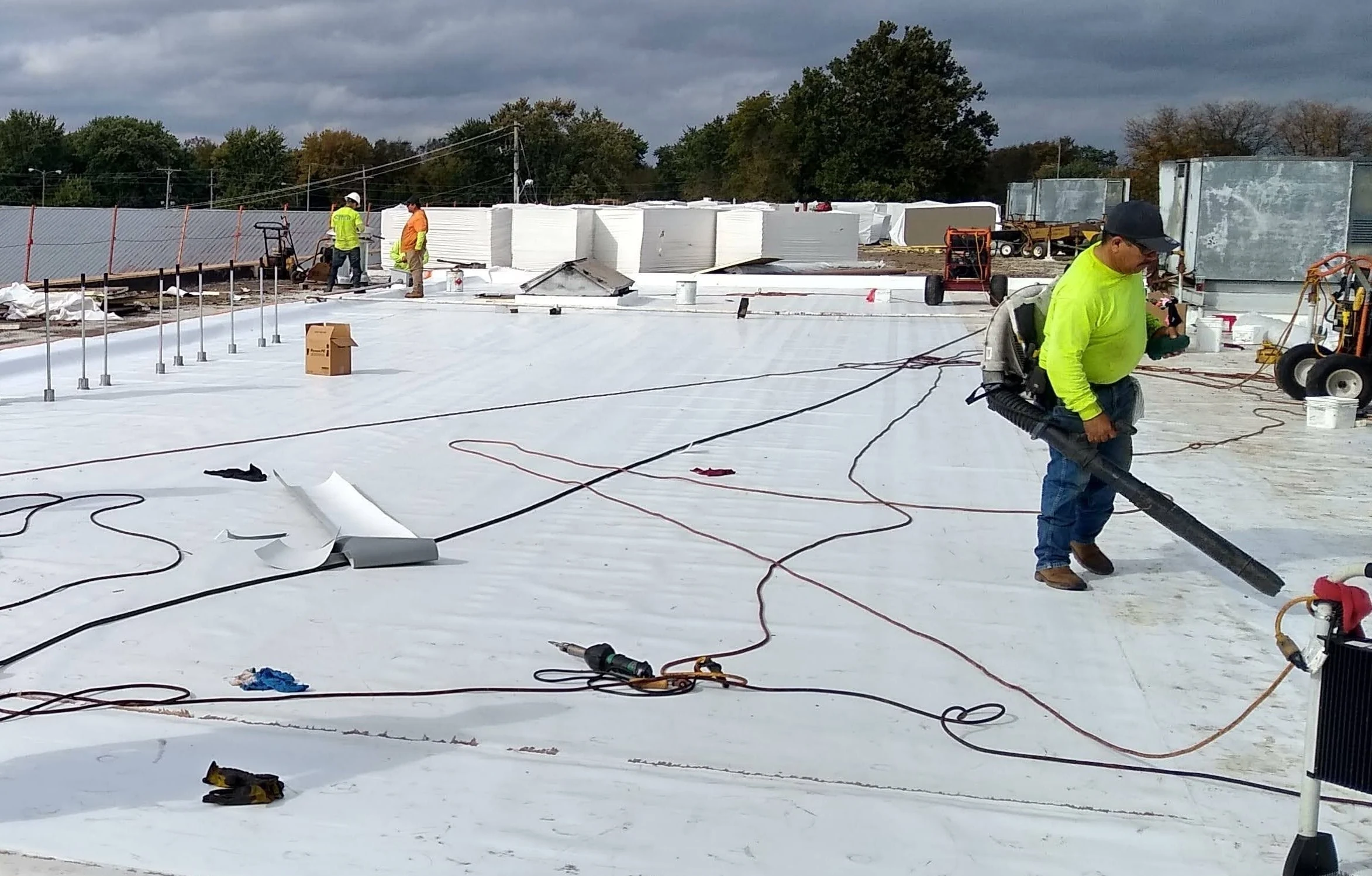
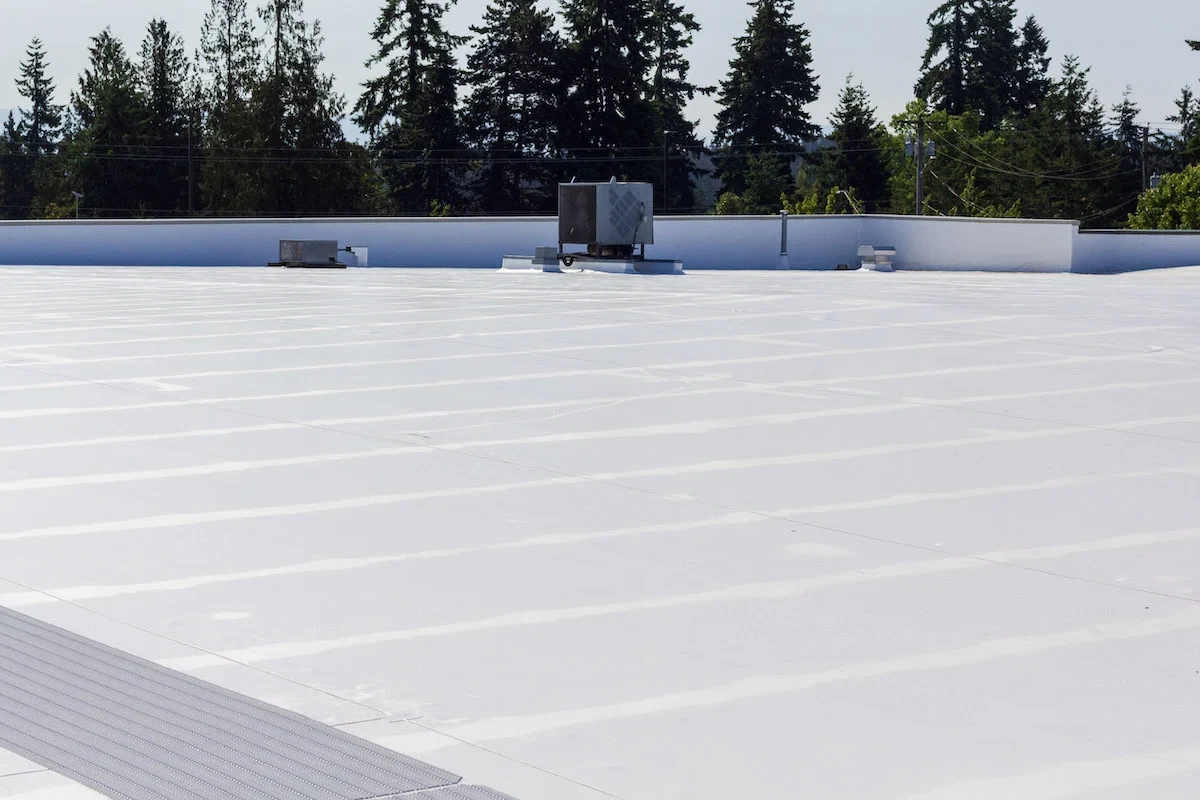
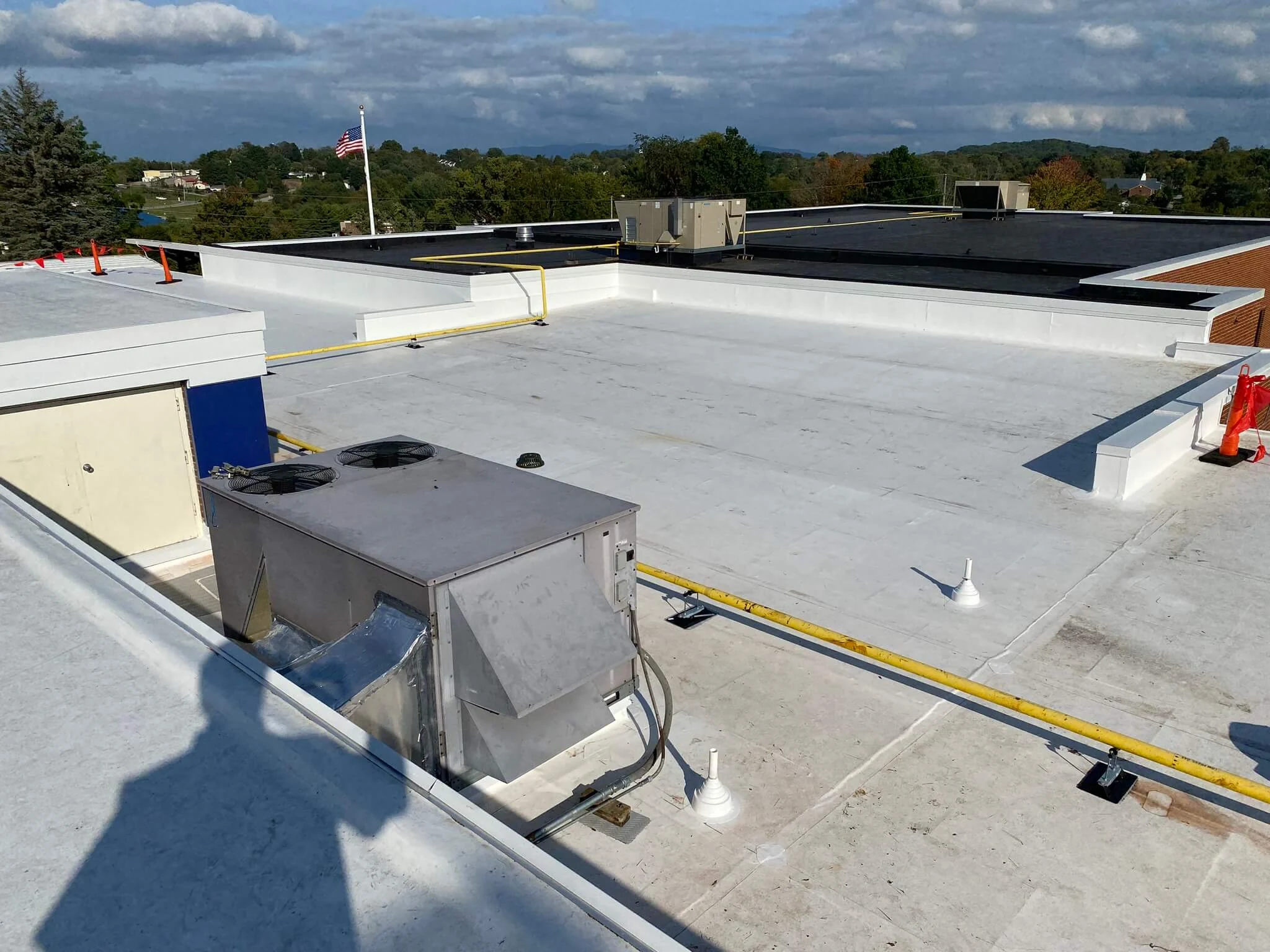
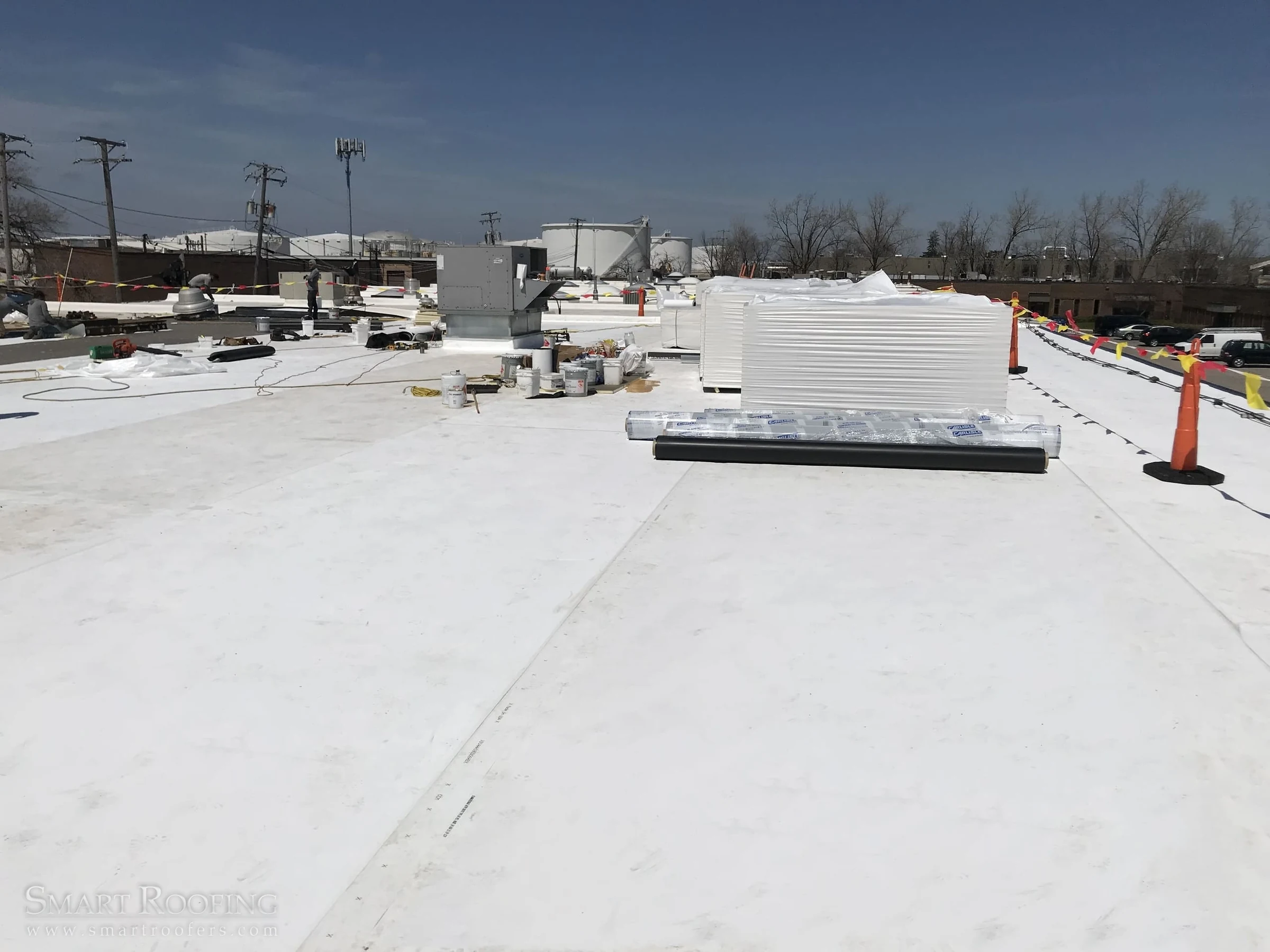
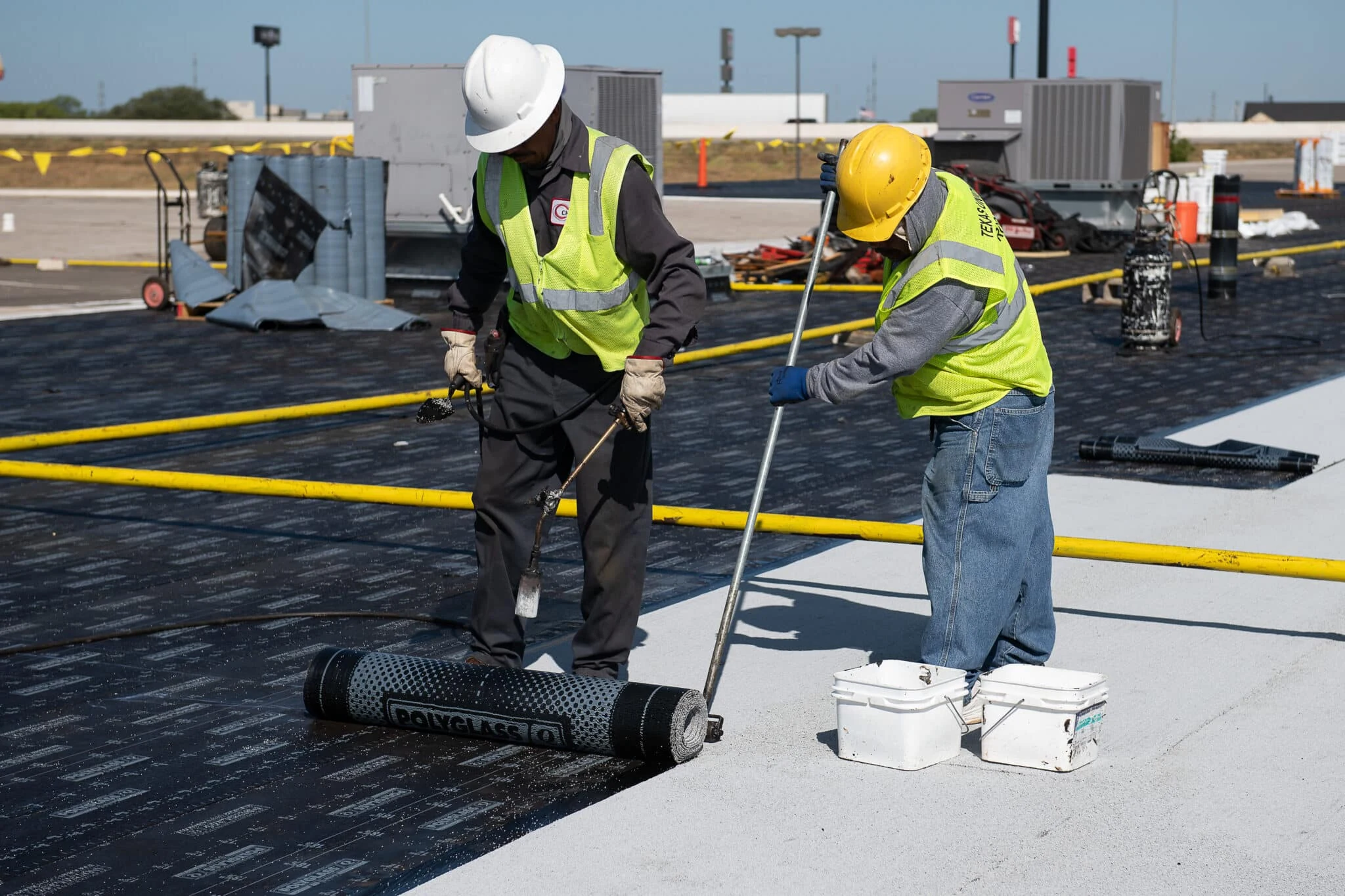
A recover, installing a new membrane over an existing roof rather than stripping it down to the deck, is often the right call when the existing roof and insulation are dry and structurally sound. It costs less than a full tear-off, generates less debris to dispose of, and on occupied buildings, it's a fraction of the disruption. We evaluate every roof honestly for whether it's actually a recover candidate before recommending it.
What Makes a Roof a Recover Candidate
The deciding factor is moisture. Wet insulation underneath an existing membrane will keep degrading the roof assembly and the building's insulation value no matter what's installed on top of it, so a recover over a wet roof just delays a more expensive repair. We check for trapped moisture with infrared scanning and, where needed, core sampling before recommending a recover path. If the existing roof passes that check, has adequate structural capacity for the added weight, and doesn't have code issues requiring removal, a recover is often the more sensible route both financially and operationally.
We put the moisture findings in writing, with scan results and any core sample photos, so the owner has documentation either way. If the roof doesn't qualify, that same documentation supports the case for a tear-off rather than leaving the decision as a verbal judgment call.
The Insulation Upgrade Opportunity
A recover project is also the practical moment to add insulation. Many older Lincoln commercial roofs, particularly on buildings built before energy codes tightened, carry insulation well below what current standards call for. Adding a layer of rigid insulation as part of the recover assembly directly reduces heat loss through a Nebraska winter and heat gain through a Nebraska summer, lowering HVAC run time in both directions rather than just addressing the roof's waterproofing. This is frequently the single highest-return decision in the whole project, and one that's easy to skip if the recover is treated as a pure membrane swap.
Insurance and finance back-office buildings with server rooms or continuous call-center operations tend to see the clearest payback from this upgrade, since their HVAC systems run near-constant loads that respond directly to any reduction in heat transfer through the roof assembly.
Where Recover Makes Sense
- Occupied office and back-office buildings where a tear-off would disrupt operations for weeks
- University buildings with class schedules that limit construction windows
- Manufacturing floors that can't stop running for an extended reroof
- Roofs with sound, dry insulation but aging or failing membrane
- Buildings where added insulation would meaningfully cut utility costs
It's not the right approach for roofs with multiple existing membrane layers already at code limits, wet insulation, structural deck problems, or code requirements mandating removal of prior systems.
Membrane Choice for a Recover
Recover projects can use TPO, PVC, EPDM, or a coating system over the existing roof, chosen the same way we'd choose for new construction: based on the building's use, exposure, and the owner's priorities around reflectivity, chemical resistance, or budget. The recover assembly itself, cover board thickness, insulation layer, and attachment method, gets engineered around the existing roof's condition rather than applied as a generic package.
When Tear-Off Is the Better Call
We don't push recover where it isn't warranted. A roof with wet insulation, multiple prior recover layers, or significant structural concerns needs a full tear-off, and recommending otherwise just pushes a bigger problem a few years down the road at the owner's expense. Part of every recover evaluation is being honest about which category the roof actually falls into.
On older manufacturing buildings around Lincoln's industrial corridors, we sometimes find a roof that's already been recovered once or twice by a previous contractor without documentation of what's underneath. In those cases, we treat the inspection as a discovery process, since assuming a clean history on a roof with unknown layers underneath can lead to a recover plan that doesn't actually solve the building's problem.
Common Questions
How do you know if insulation underneath is wet without tearing off the roof?
Infrared scanning at night, after the roof has absorbed daytime heat, reveals temperature differences that indicate trapped moisture. Core sampling in suspect areas confirms it directly.
Does a recover roof perform as well as a full tear-off replacement?
When the roof qualifies as a genuine recover candidate, yes, the new membrane performs to its full rated life. The key is honest qualification up front, not cutting corners on a roof that actually needed a tear-off.
Can insulation R-value really be improved during a recover?
Yes, this is one of the most valuable parts of a recover project, adding rigid insulation above the existing roof to bring the assembly closer to current energy code performance.
How much less does a recover cost compared to a tear-off?
Savings vary by building, but eliminating tear-off labor, disposal, and the deck-level work involved typically brings recover projects in meaningfully below full replacement cost.
Is there a limit to how many times a roof can be recovered?
Most codes and manufacturer guidelines limit roofs to a certain number of membrane layers, after which a tear-off becomes mandatory regardless of the existing roof's condition.
Does a recover project disrupt operations the way a tear-off does?
Considerably less. Because the existing roof stays in place as a work surface, there's less debris removal, less noise from deck-level demolition, and typically a shorter timeline than a full tear-off and replacement.