
Snow and Ice Roof Damage Insurance Claims in Lincoln, NE
Nebraska winters put a different kind of stress on a commercial roof than the spring storm season does. Snow load, freeze-thaw cycling, and ice damming at drains, scuppers, and parapet edges cause damage that's often slower to show up and easier to overlook than hail impact, which makes accurate documentation just as important when a winter-related claim needs to move forward.
How Winter Damages a Low-Slope Roof
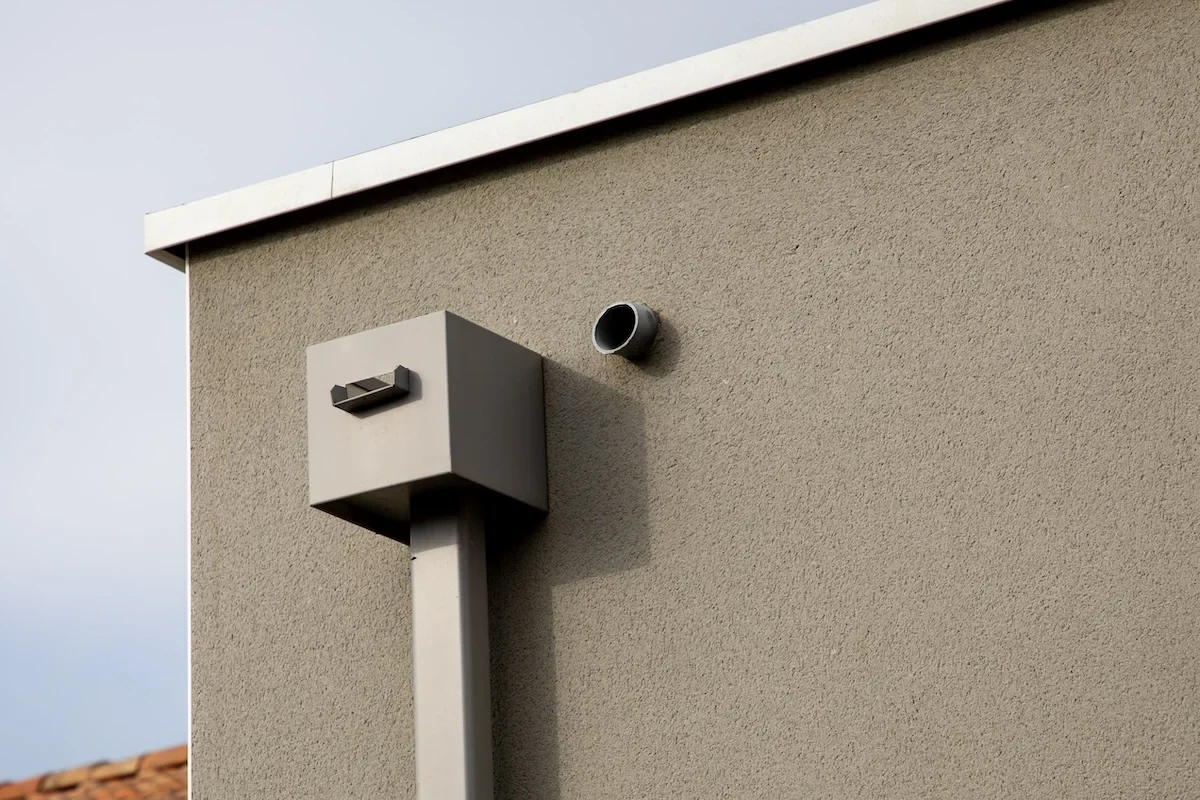
Heavy or wet snow adds real weight to a flat roof, and repeated freeze-thaw cycles through a Lincoln winter can drive water into small existing gaps in flashing or membrane seams, then expand as it refreezes and widen the problem. Ice forms first at drains, scuppers, and roof edges where meltwater refreezes overnight, and a blocked drain under a foot of snow can back water up across the whole roof before anyone notices from inside the building.
What We Document for Winter Damage Claims
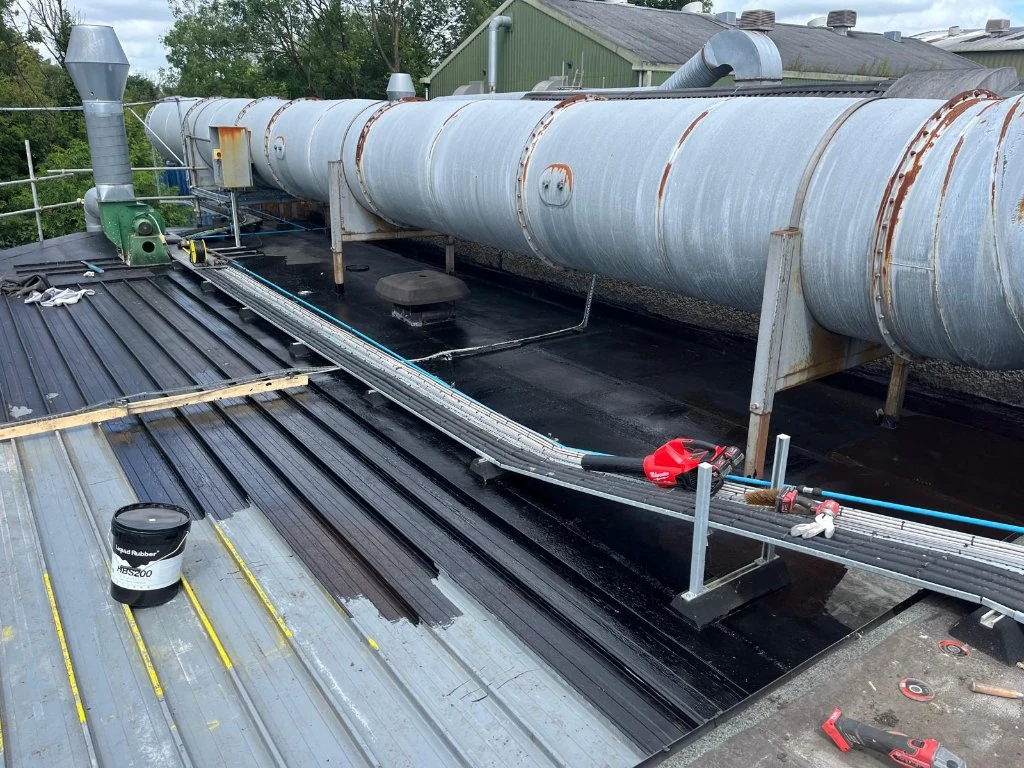
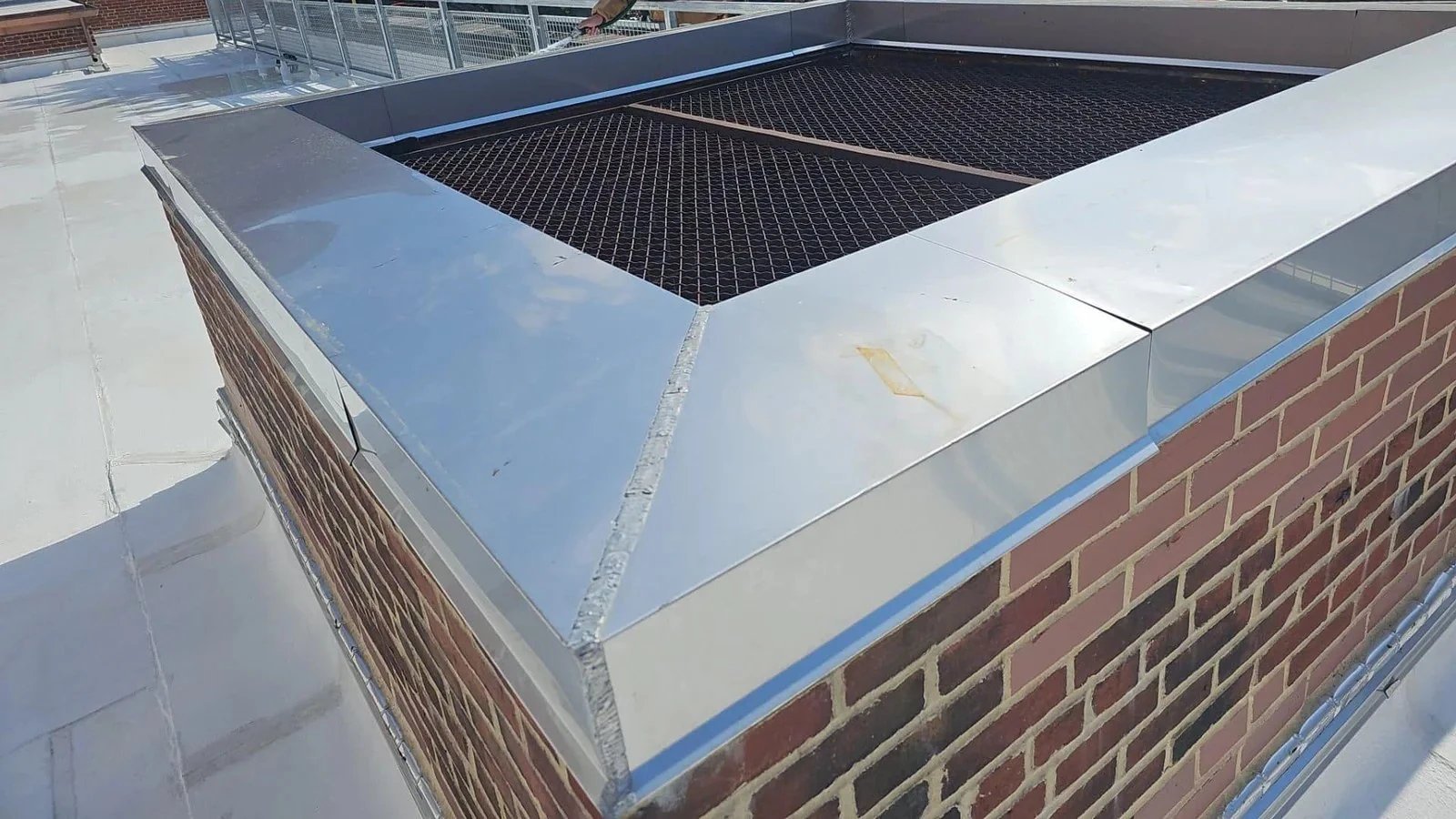
We check drain and scupper function for ice blockage, inspect parapet and edge-metal areas where ice damming concentrates, and look for membrane distortion or cracking consistent with snow-load stress rather than age alone. Interior signs of water intrusion tied to a specific freeze-thaw event or snowmelt backup get photographed and logged the same way storm damage would be, with measurements and zone notes an adjuster can follow.
Distinguishing Winter Damage From Ongoing Roof Age
Older membranes already show wear from years of thermal cycling, and part of an honest winter-damage record is separating what a specific freeze-thaw event or snow-load stretch did from what was already a slow, ongoing issue. We note both honestly rather than attributing every winter-related leak to a single storm event when the record doesn't support that.
Drainage Is the Center of Most Winter Claims
Most of the winter damage claims we document trace back to drainage that couldn't keep up , a scupper iced shut, a drain strainer packed with snow and debris, or a low spot on the roof that ponds meltwater and refreezes overnight. We document drainage condition specifically, since a repair that fixes membrane damage without addressing the drainage problem that caused it tends to repeat the same failure the next winter.
Lincoln's Wide Temperature Swings
A Lincoln winter can swing from subzero wind chill to a fifty-degree thaw within the same week, and that repeated expansion and contraction is part of what makes ice and freeze-thaw damage claims different from a single-storm hail or wind claim , the damage can build up over a season rather than tracing to one identifiable date. We document condition at the time of inspection and note what's consistent with recent cold-weather stress, while being clear that pinning damage to an exact date isn't always possible with slow-developing winter issues.
Portfolio Owners and Repeat Winter Claims
Property managers with several buildings across Lincoln sometimes see the same drainage weak point fail on multiple roofs in a single hard winter, especially on buildings built to similar specifications in the same era. Tracking winter damage findings building by building, in a consistent format, helps an owner or broker see whether a single property has a one-off drainage failure or whether a design or maintenance issue is repeating across the portfolio, which matters for budgeting repairs beyond the immediate claim.
We're your roofing contractor, not a public adjuster , we document and substantiate the roof damage so you and your adjuster work from an accurate, complete scope.
Common Questions on Snow and Ice Damage Claims
Can ice damming actually damage a flat commercial roof?
Yes. Ice forming at drains, scuppers, and roof edges can back water up under the membrane or overload a low spot on the roof, and repeated freeze-thaw cycling can widen existing small gaps in flashing or seams.
How do you document damage that built up over a whole winter rather than one storm?
We record roof condition at the time of inspection, noting what's consistent with recent cold-weather stress and drainage failure, and we're honest when a specific cause and date can't be pinned down as precisely as a single storm event would allow.
Does snow load alone cause roof damage?
Heavy or repeated snow accumulation adds real structural and membrane stress, especially on roofs with existing drainage issues, though it's more often the combination of load and blocked drainage that causes visible damage.
Will clearing snow off our roof void anything in a claim?
Emergency snow removal to prevent structural risk is a reasonable safety step. We document roof condition before and after removal where possible so the record stays accurate for any related claim.
Do you guarantee a snow or ice damage claim will be approved?
No. We provide accurate documentation of drainage and membrane condition. Coverage determination rests with your carrier.