
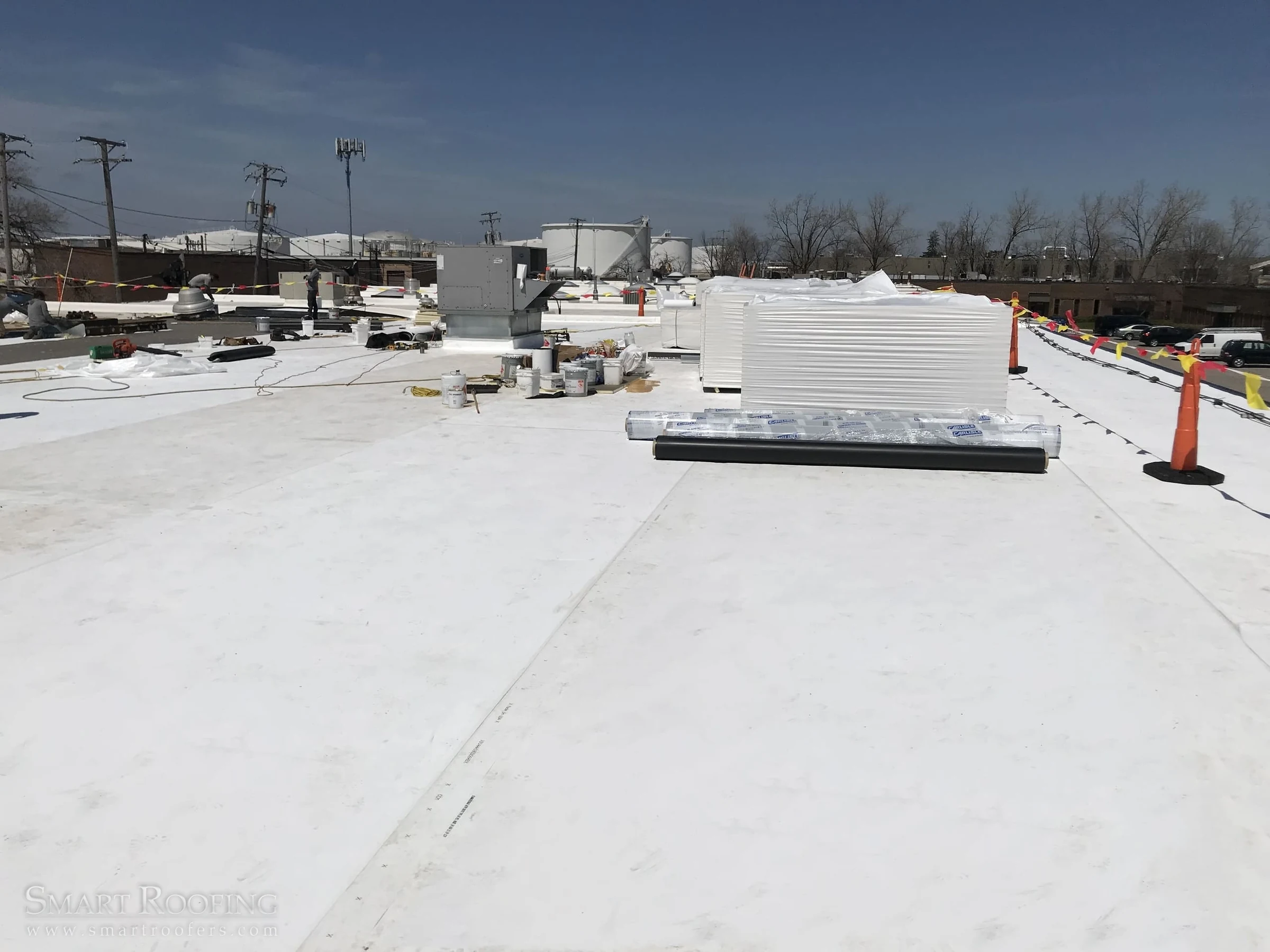
Wind and Storm Damage Roof Insurance Claims in Lincoln, NE
Open plains exposure means Lincoln's commercial roofs take a direct hit from straight-line winds, severe thunderstorm gusts, and the occasional tornado-warned storm cell that rolls through with almost no warning. Wind damage on a low-slope roof is a different documentation problem than hail , it's about uplift, displacement, and membrane that's come loose rather than surface impact , and getting that record right matters just as much for the claims conversation.
How Wind Actually Damages a Commercial Roof
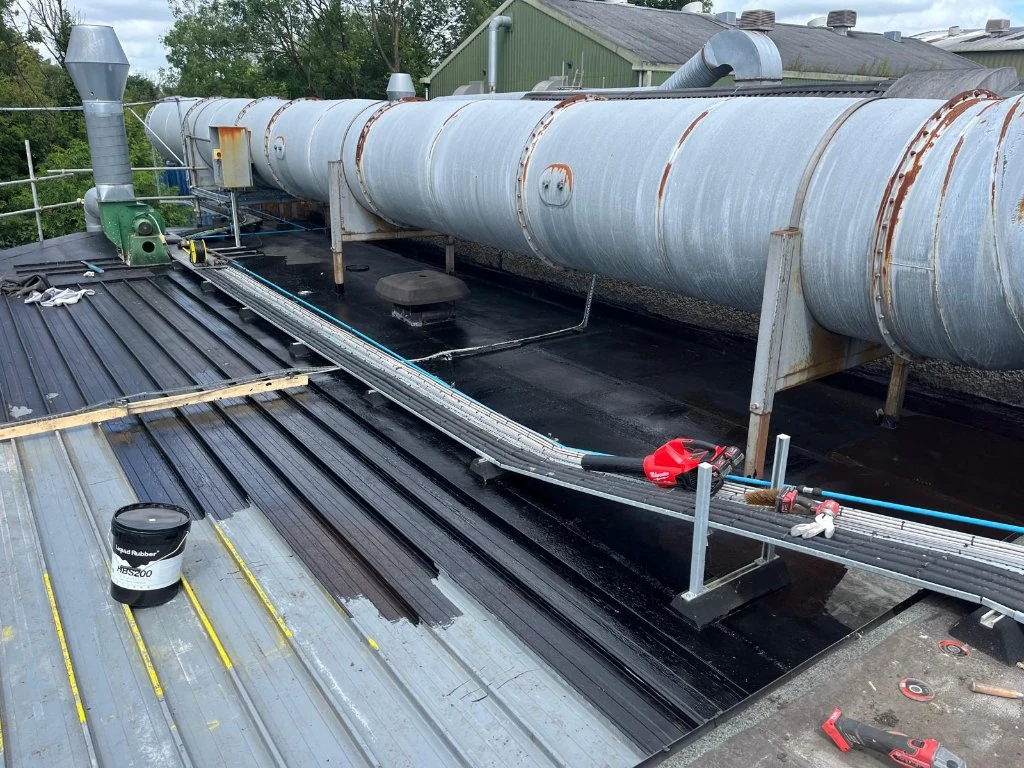
Straight-line wind events lift membrane at the edges first, tear loose flashing, pull coping caps off parapets, and can dislodge or shift rooftop equipment on older or under-fastened curbs. Damage concentrates hardest at the roof perimeter and at penetrations, since that's where the wind gets underneath the membrane and starts working it loose. A roof can look intact from a distance while the perimeter fastening has already failed in several places.
What We Document After a Wind Event
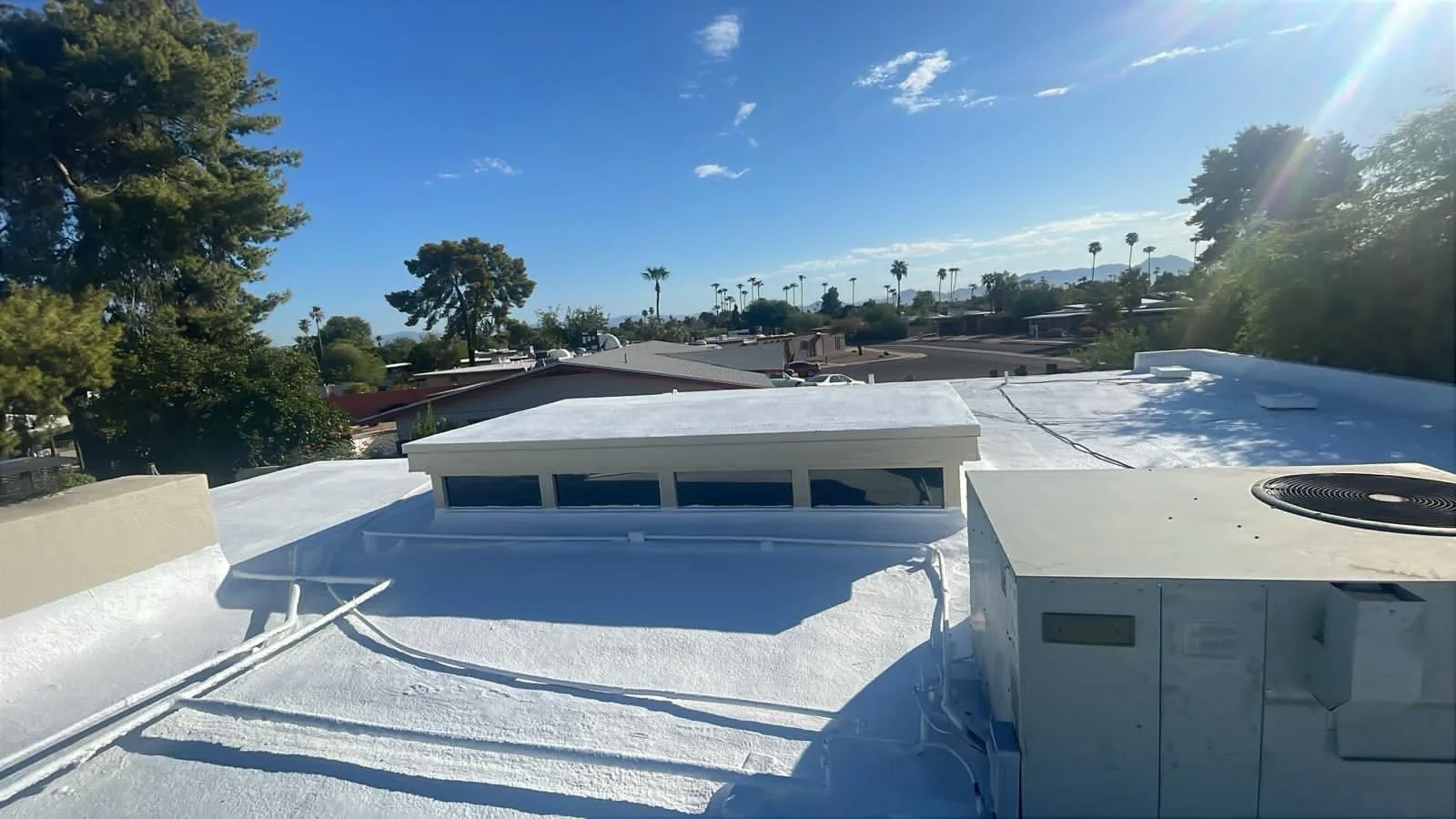
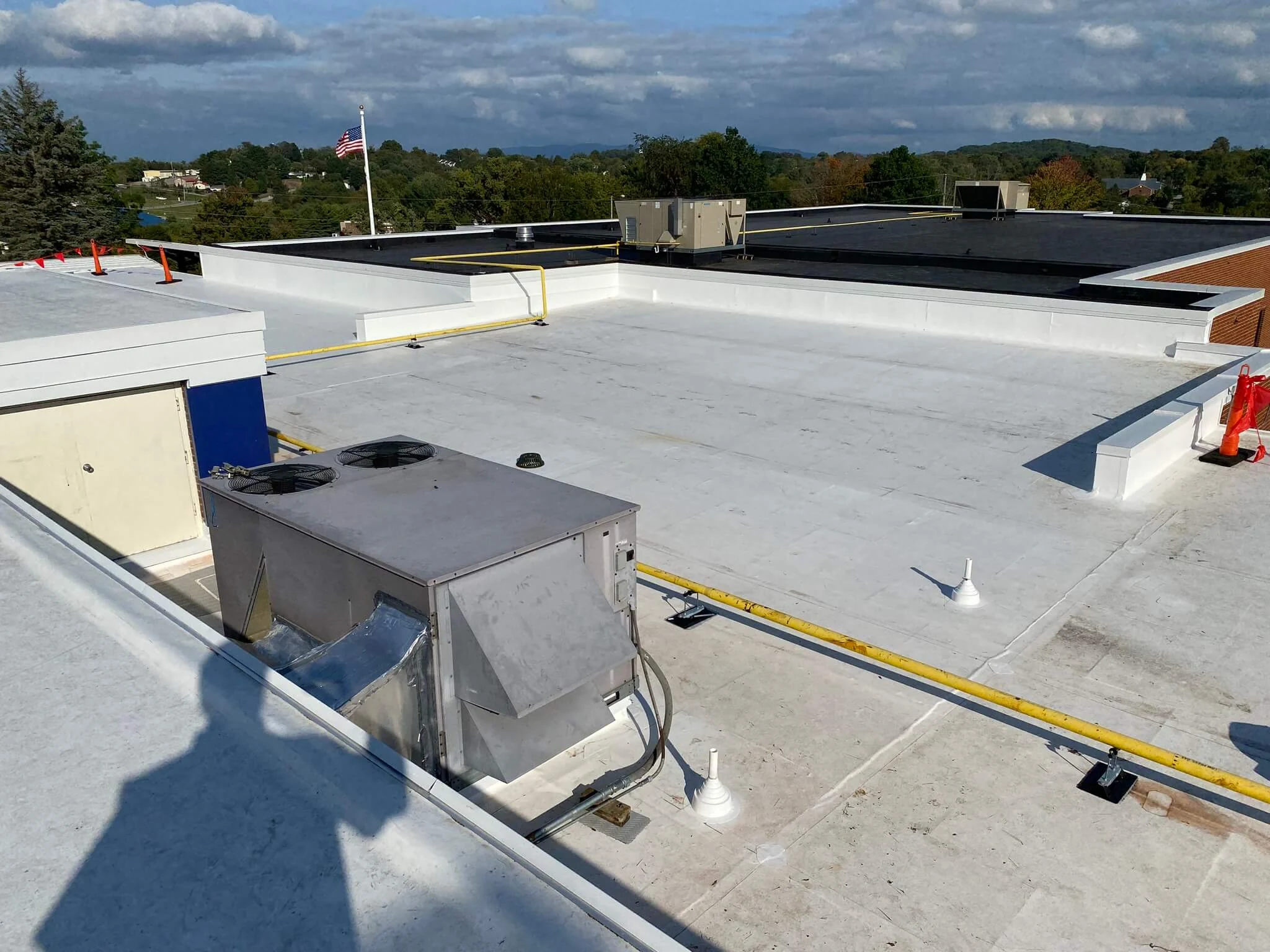
We check the entire roof perimeter first, since that's where uplift damage shows up before it spreads further into the field membrane. We photograph lifted or torn seams, displaced flashing and coping, and any rooftop equipment that's shifted or lost seal at its curb, and we note wind direction and storm timing where that information is available, since it helps explain the damage pattern to an adjuster later. Interior water staining tied to a specific wind event gets logged with the same level of detail.
Derechos and Tornado-Warned Storm Systems
Some of the wind events that hit Lincoln arrive as part of a broader severe thunderstorm line or derecho, moving fast and covering a wide area rather than a narrow hail-cell path. Others come with a tornado warning attached, even when the actual damage on a given roof turns out to be straight-line wind rather than a direct tornado hit. Either way, the documentation task is the same: establish exactly what the wind did to that specific roof, rather than only noting that severe weather passed through the area that day.
Meeting the Adjuster and Explaining Uplift Patterns
Wind damage can be harder for someone unfamiliar with roofing to interpret than a hailstorm's impact marks, since uplift and displacement don't always look dramatic in a photo taken from ground level. We walk the roof with an owner's adjuster and explain what a lifted seam, a compromised fastening pattern, or a shifted equipment curb actually means for the roof's performance going forward, translating the roofing-specific findings into terms the claims conversation can use.
Scoping the Full Repair Beyond the Visible Tear
A membrane edge that's lifted in one spot often means the fastening pattern along that whole run is compromised, even where it hasn't visibly failed yet. We scope wind repairs to address the full extent of the compromised area, beyond the section that's already torn loose, because a repair that stops at the visible damage tends to fail again in the next wind event.
Wind Exposure on Lincoln's Open-Field and Ag-Adjacent Buildings
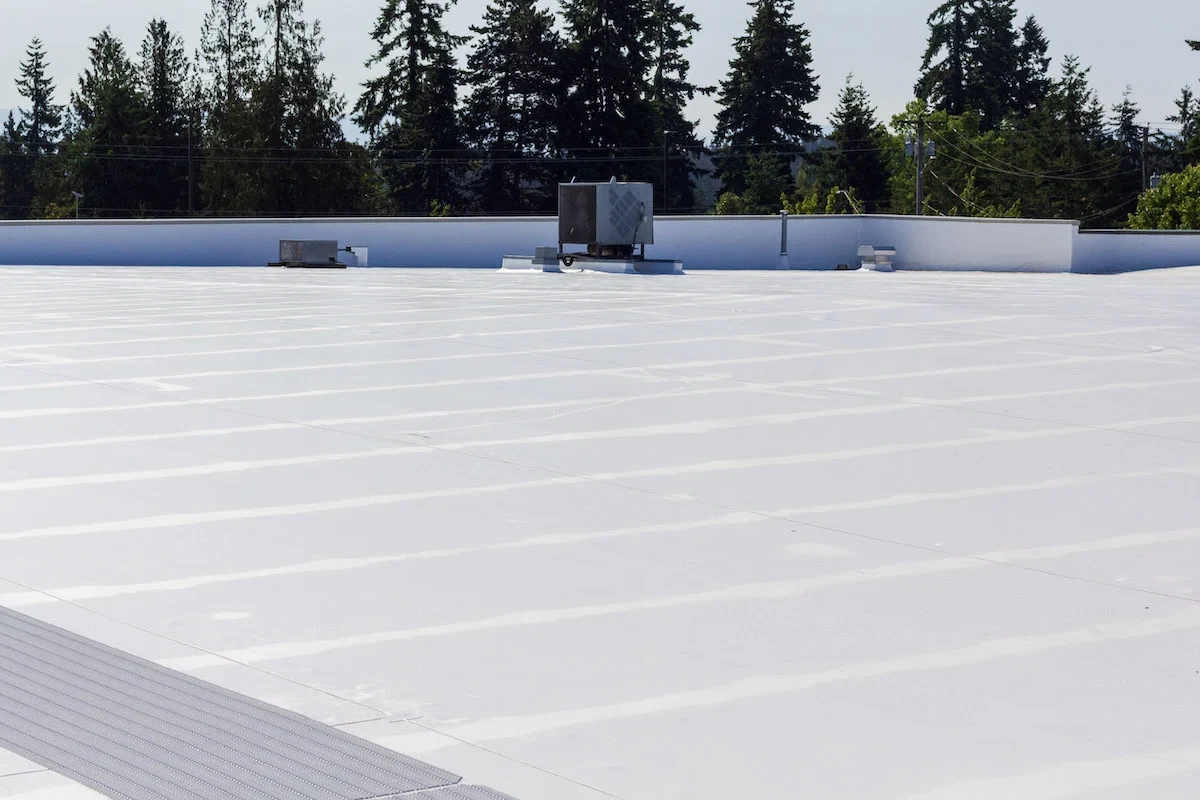
Large open-field roofs on warehouses and light-industrial buildings near the interstate and rail corridors have more perimeter and roof edge, proportionally, exposed to open wind than a tightly packed downtown building does, and that geometry shows up in how wind damage claims get scoped on those properties. Ag-service and grain-adjacent commercial buildings around the edges of the metro often carry older standing-seam or R-panel roofs where wind damage means displaced or loosened panels rather than a torn membrane, and documenting that kind of damage means checking panel seams and fastener condition rather than looking for lifted membrane edges.
We're your roofing contractor, not a public adjuster , we document and substantiate the wind damage so you and your adjuster work from an accurate, complete scope.
Common Questions on Wind and Storm Damage Claims
Do you document wind damage the same way as hail damage?
The damage patterns are different , uplift and displacement instead of surface impact , so the documentation focuses on the roof perimeter, fastening, and flashing rather than field membrane impact density, but the same level of photo and measurement detail applies.
Can a roof have wind damage that isn't obviously visible?
Yes. A lifted or partially compromised seam can look minor from a distance but signal a larger fastening problem along that section of roof, which is why a hands-on inspection matters after any significant wind event.
Will you help if our claim references a tornado warning but no direct hit occurred?
We document what the wind actually did to your specific roof, regardless of what warning category the storm carried. That factual record is what supports the claims conversation.
How fast should we get an inspection after a wind event?
Quickly. Lifted membrane and displaced flashing can worsen with continued wind exposure or the next rain event, so early documentation and, if needed, emergency tarping protects both the roof and the claim record.
Do you guarantee our wind damage claim will be approved?
No. We provide accurate documentation and a complete repair scope. The coverage decision is made by your carrier.